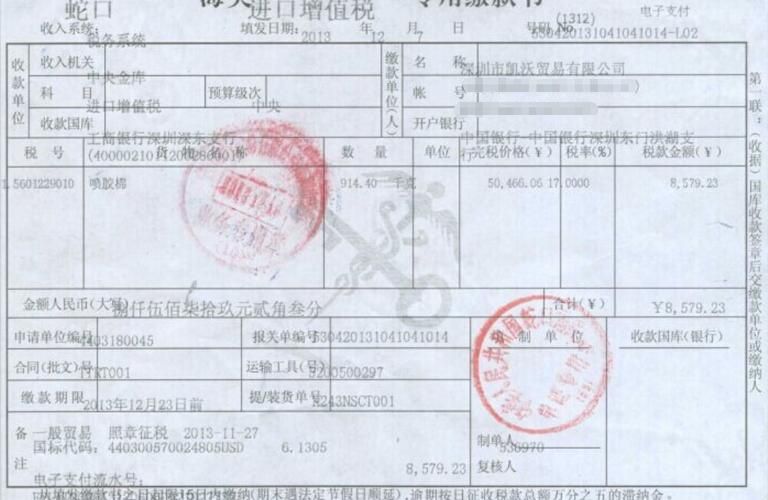
The policy of lowering the value-added tax introduced in the report of the government of the state council will be implemented as of 1 april. The current rate of value added tax (vat) of 16 per cent for manufacturing, among others, would be reduced to 13 per cent, the current rate of 10 per cent for construction, among others, would be reduced to 9 per cent and the rate of 6 per cent would remain unchanged, while ensuring that all industry tax burdens would not be reduced by a combination of measures such as increased tax credits for production and domestic services。
According to the chief macro fellow for chinese securities, lee, the decline in the value-added tax rate has been largely influenced by non-tax-free price adjustments for enterprises, while the ppi has mainly been affected by the inclusion of tax price adjustments。
In li's view, the downgrading of the vat would balance the price reduction with the retention of profits, depending on the bargaining power of the enterprise。
Vat is a transit tax based on the value added generated by the movement of goods (including taxable labour) as a basis for tax collection. In theory, when vat rates change, firms can transfer vat obligations and their profits increase if the tax rates are lowered and the tax price remains constant. However, not all enterprises are able to maintain tax-inclusive prices and thus fully enjoy the benefits of the tax cuts themselves, depending on the bargaining power of the industry, or the price elasticity of demand for products. As vat rates fall, enterprises with high demand price elasticity tend to prefer lower prices to gain more market shares。
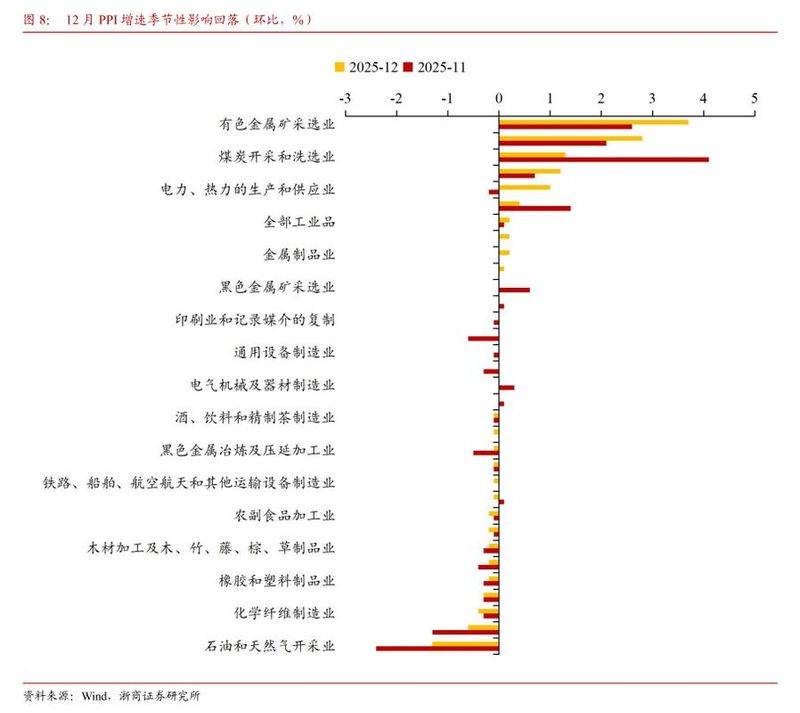
Ppi is the industrial product price index, with a value-added rate of 10 per cent applied in the gas and water industries alone, which is reduced to 9 per cent this time, and 16 per cent to 13 per cent applied in the mining, manufacturing and power thermal industries。
After lee has analysed the value-added tax (vat) rate down, if an enterprise has strong bargaining power downstream and, in extreme cases, the enterprise can not lower the tax-bearing price a, the tax-free price that is included in the enterprise's income increases as the vat is lowered, thereby increasing the profits of the enterprise. If an enterprise is weak in its ability to negotiate downstream, the adjustment of the vat will be accompanied by a downward adjustment of the tax to include the tax price, which will be lower without tax price increases as compared to strong bargaining power. In the extreme, if the enterprise does not retain any profit from the lower vat rate, the price will be reduced to the downstream rate by all, and the non-tax price will remain unchanged for the 16 per cent tax industry, and the price will be reduced by 2. 59 per cent (a/116) x 1. 13; for the 10 per cent tax industry, the price will decrease by 0. 91 per cent。

According to lee, studying the impact of vat adjustments on ppi requires only a distinction between the bargaining power of different industries downstream, with prices focusing mainly on tax-inclusive sales. The bargaining power of the industry, however, depends mainly on the industry's turnover rate, but adjustments are also made to some industries based on their concentration and business characteristics. For example, utilities are set at no price adjustment and the automobile industry is set at a total price reduction。
The turnover rate for accounts receivable is the average number of times accounts receivable are converted to cash for a given period (usually one year). The lower the turnover rate of accounts receivable, the greater the number of days that an enterprise in the industry has to be revolving, and the greater the pressure on the turnover, the weaker the enterprise's ability to negotiate downstream。
Li gave weight to different product price indices based on the ppi accounting principles of the national statistical office, with an average industry-wide ppi variation of -1. 19 per cent。
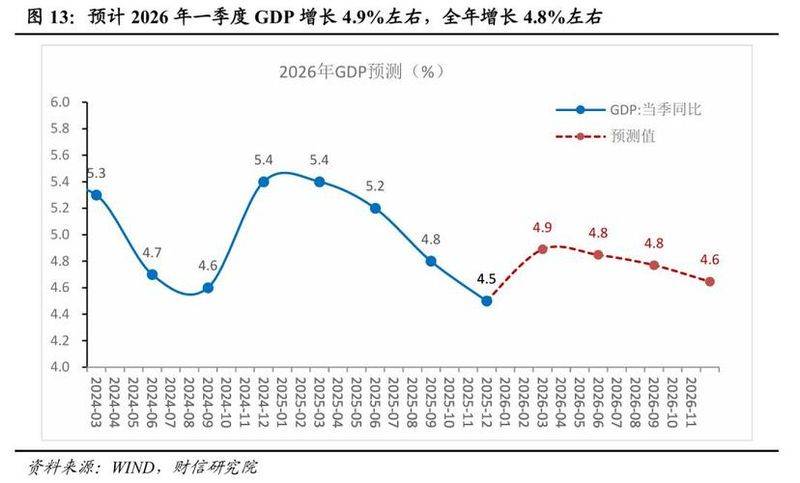
Assuming that after the 1 april adjustment of the vat rate, the full price reduction was completed in one, three and six months by industry, the decrease in the ppi ring scale of -1. 19 per cent would be reflected in the ppi scale forecast for april, april-june and april-september, respectively。
In three cases, the effect of the vat adjustment on ppi hubs was -0. 89, -0. 79 and -0. 64 percentage points, respectively, and the negative effect of the vat adjustment on the ppi hub in 2019 ranged from 0. 6 to 0. 9 percentage points, taking into account the extremes and errors assumed. However, considering that environmental factors are more disruptive to ppi, the ppi test of up to 1% does not affect the year-round ppi judgement。