From the mba think tank encyclopedia (https://wiki. Mbalib. Com/)
Costs
What are costs (concepts)
1. The narrow concept of cost limits the cost to the resource-consumption incurred in obtaining income
The broad concept of cost encompasses both operating and non-operational costs
3. The current system in our country adopts a narrow concept of cost, namely, the outflow of economic benefits incurred by enterprises in day-to-day activities, such as the sale of goods and the provision of labour, including the cost of accounting for the cost of operating production and the cost of accounting for the profits and losses during the period。
4. Costs refer to the total outflow of economic benefits incurred by the enterprise in its day-to-day activities that would result in a reduction in the owner's interests and that are not related to the distribution of profits to all. Costs, by function, can be divided into two major components: operating costs and period costs。
1. The costs are incurred in the day-to-day activities of the enterprise and not in occasional transactions or transactions
Day-to-day activities are the regular activities carried out by the enterprise to fulfil its business objectives and related activities. Day-to-day activities distinguish between costs and losses: the enterprise rents the place of sale from other units for the purpose of selling the product and pays the rental cost of the place of sale, which should be recognized as a cost. Net losses incurred by an enterprise in the disposal of fixed assets should be recognized as losses。
The cost leads to a reduction in the owner's interest。
3. Costs lead to an increase in the liability of the enterprise, or a decrease in the assets of the enterprise, or both
Costs are used as outflows of assets or resources incurred in order to obtain income and are in essence spent assets. The recognition and measurement of costs are closely related to the recognition and measurement of assets。

1. Cost-related economic benefits are likely to flow out of the enterprise。
The result of the outflow of economic benefits from the enterprise would be a reduction in assets or an increase in liabilities。
3. Financial outflows can be reliably measured。
Two basic criteria should be followed for the recognition of costs:
1. Classification of capital and return expenditures. This principle limits the time frame for cost recognition。
2. Accrual basis. This principle limits costs to the same period during which the relevant income is recognized in accordance with the accrual principle, thus providing further guidance on the recognition of costs. The criteria for recognition of costs are typically three。
1. Theoretically, based on cost and asset-specific linkages, costs can be valued on the basis of the value of the input and the value of the output, using different measurement attributes, such as historical costs, current costs and realized value, respectively
2. Cost measurement based on historical costs (actual costs), which are easily verifiable, has become a widely used cost measurement attribute in national accounting practices。
3. Under our current system, enterprises are required to account for costs and costs on a real basis。
I. Operating costs
Operating costs are directly related to operating income and various direct costs of attribution periods and attributions have been identified. Operating costs include mainly the main operating costs, labour costs and other operating costs。
Ii. State costs
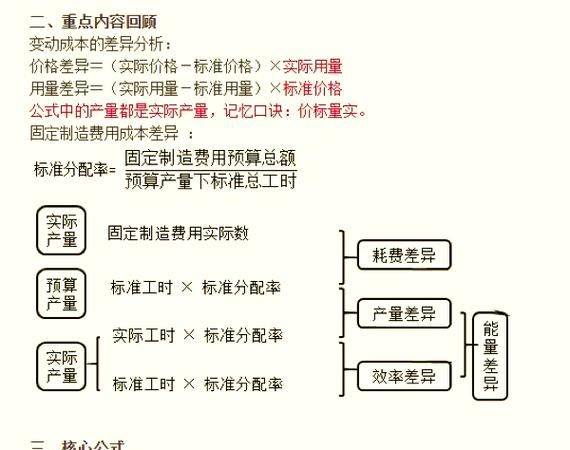
Period costs are those costs that, although closely related to the generation of income in the current period, cannot be attributed directly to a particular person. Period costs are an important part of the current costs incurred by the enterprise。
Linkages and differences between costs and costs
I. The concept of costs and costs
1. Costs are the costs incurred by an enterprise in producing products and providing services
Costs are the outflow of economic benefits incurred by the enterprise in connection with its daily activities, such as the sale of goods and the provision of services。
Ii. Conclusion of costs and costs
1. Costs and costs are an integral part of the enterprise's expenses other than debt service and distributive expenses
2. Costs and costs are a drain on the economic resources of enterprises
At the end of the period, the cost of the products sold in the current period shall be carried forward to the current period。
Iii. Distinction between costs and costs
1. The cost is the cost of objectization, which is directed at a certain object of costing
2. The costs are for a specified period。
Accounting for operating costs
The cost by object is divided into:
Main operating costs
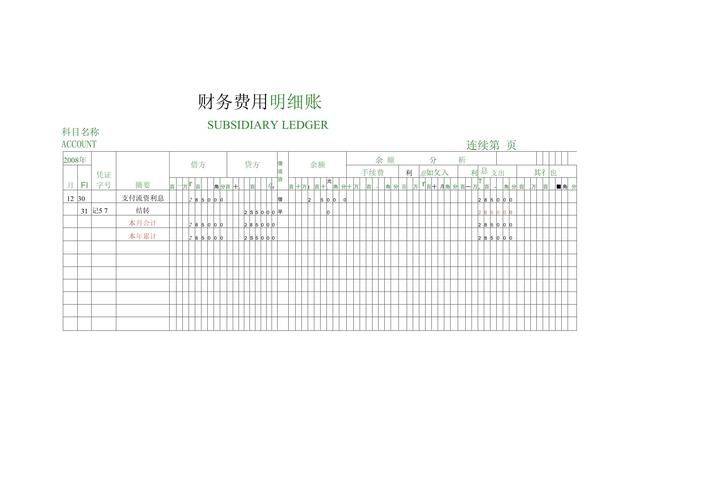
“main operating costs” are used to account for the actual costs incurred by enterprises as a result of day-to-day activities, such as selling goods, providing labour or transferring access to assets. Detailed accounts should be maintained and accounted for under the “main operation cost” account according to the type of business of the main battalion. At the end of the period, the balance of this account shall be transferred to the “profit for the current year” account, which shall have no balance。
2. Other operating expenses
“other operating expenses” accounts are used to account for expenses incurred by an enterprise in sales or other operations other than the cost of its main operating expenses, including costs associated with the sale of materials, the provision of services, and related taxes and surcharges. Under the “other operating expenses” account, accounting shall be broken down according to other types of business, such as “material sales”, “substitute sales” and “package rental”. At the end of the period, the balance of this account shall be transferred to the “profit for the current year” account, which shall have no balance。
Accounting for the period
The cost by time is divided into:
1. Administrative costs
2. Financial costs
3. Operating costs
"https://wiki. Mbalib. Com/wiki/%e8%b4%b9%e7%e94%a8%a8%e4%e4%e4%a9a%e8%ae%a1%29"