In rural areas, the benefits of chicken and duck farming vary widely, with costs, cycles and risks to be measured clearly。
It is more appropriate to have chickens if you want to get back on your feet quickly; it is better to invest in stability over the long term and to have ducks。
Below are four areas: cost inputs; profit returns; market risks; and policy subsidies。
I. Cost input comparison
Cost of chickens
Initial inputs: 50 hens + 3 chickens approximately $18,000 (including transport, quarantine) and about $5,000-$8,000 (shelter)。
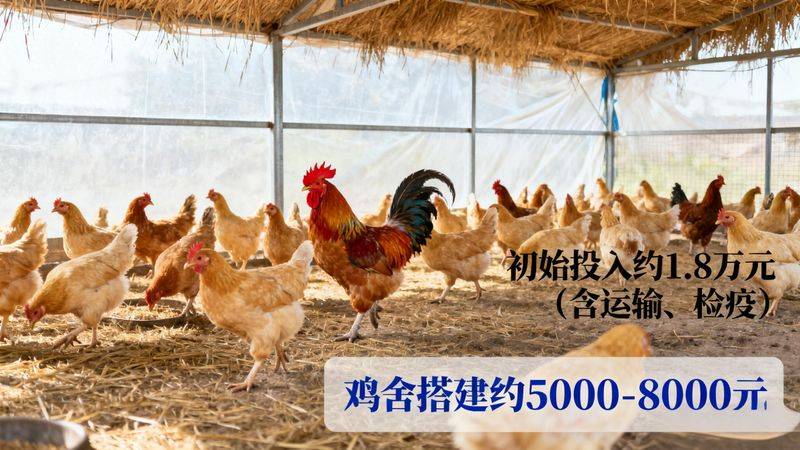
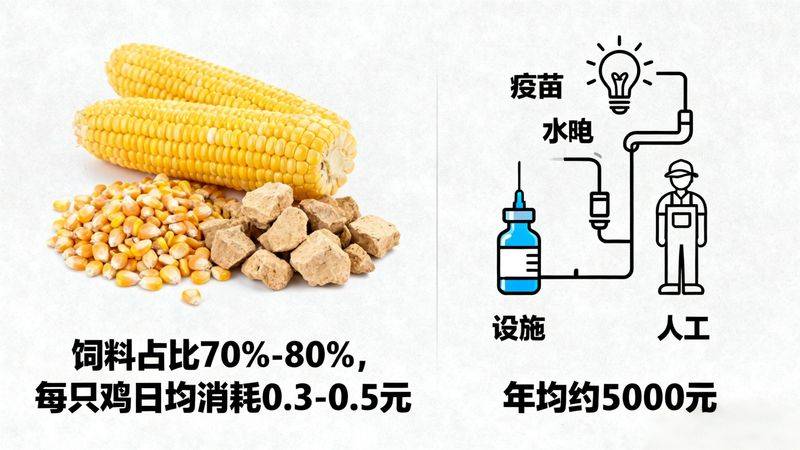
Annual cost: 70-80 per cent of feed (maize + soybeans) consumes 0. 3-0. 5 yuan per chicken per day, and approximately $5,000 per year for vaccines, water and electricity。
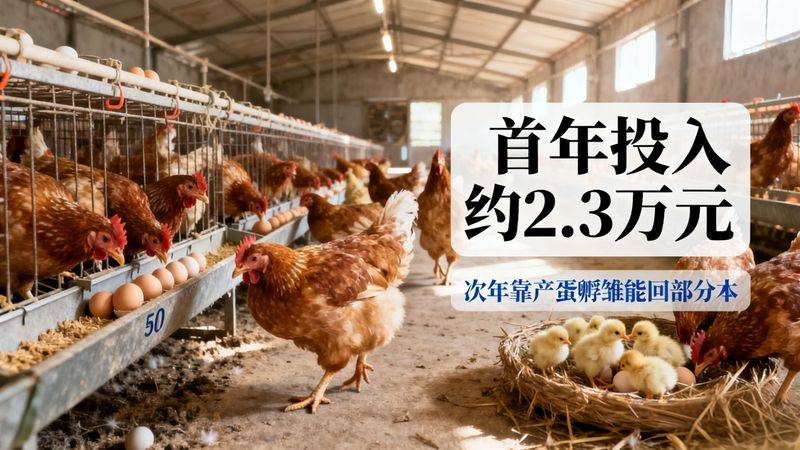
Total cost: using 50 hens as an example, approximately 23,000 yuan was spent in the first year and some of the following year's eggs were hatched。
Duck cost
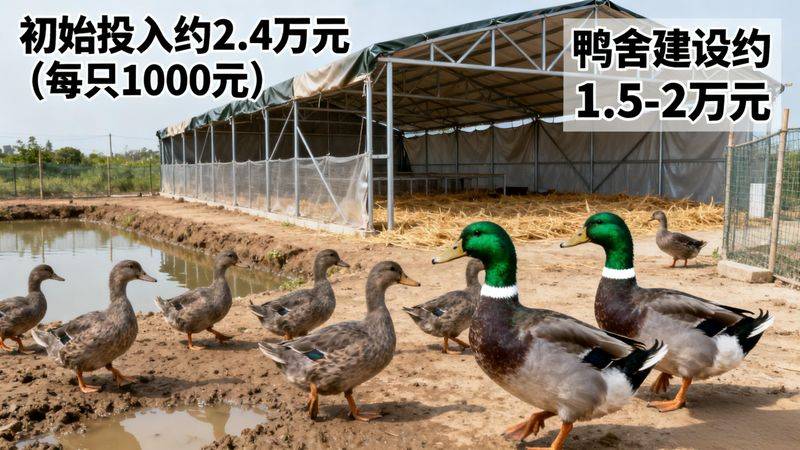
Initial inputs: 20 ducks + 2 ducks approximately $24,000 (1,000 each) and duck house construction about $152,000 (flood-proof shed)。
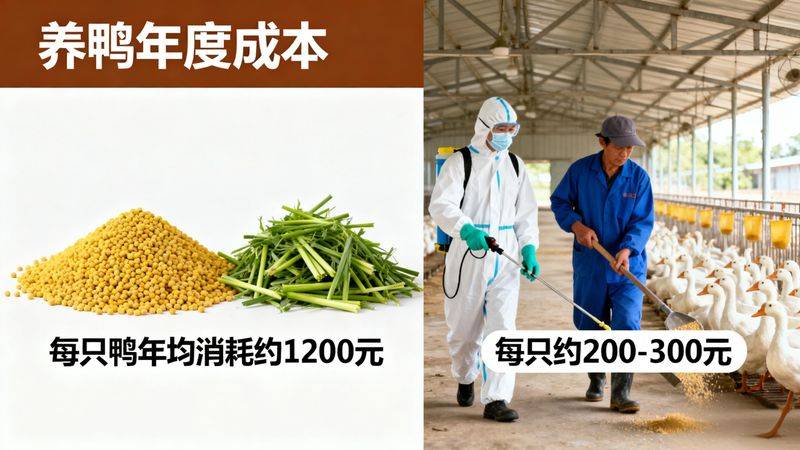
Annual cost: forage (precision + clinker) consumes approximately $1,200 per duck per year; vaccination, manual, approximately $200-300 per duck。
Total cost: in the first year, for example, about $50,000 for 20 ducks, the first two years are largely unprofitable and the third year is steady。
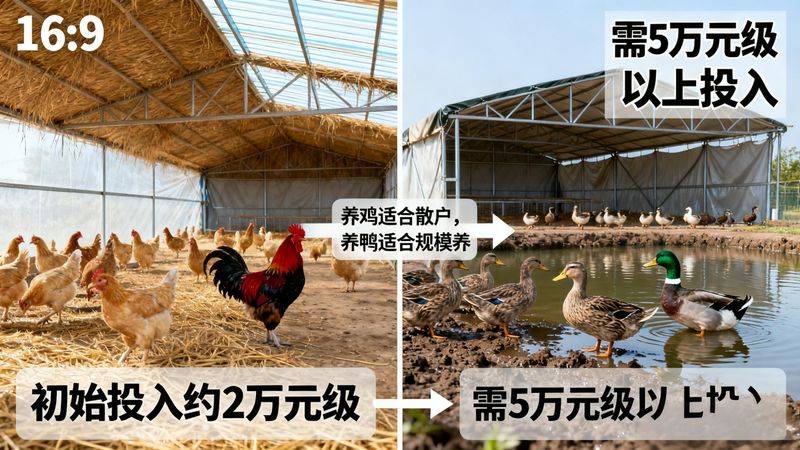
Conclusion: the initial input of chickens is lower (approximately 20,000 yats) and suitable for the dispersed households; ducks require 50,000 and above。
Comparison of profit returns
Chicken profits
Single profit: the net profit of a commercial chicken is usually $100-300/single, showing a column weight (2. 5-4 kg) and a market price (us$ 12-18 per pound)。
Annual profit: 50 hens are home-grown and can hatch 200 chicks in the second year, choosing 150 out of the field, with a profit of about $us 3-45,000。
Scaled profits: 200 chickens, with an initial investment of about $35,000 and a third year net profit of about $30,000。
Duck profits
Single profits: under the self-care model, a single annual profit of approximately $800 (after contribution) for ducks is deducted from the cost of an empty window period of one year; a single profit of about $1,000 (6-8 months refund) is purchased for ducks。
Annual profits: 20 ducks live on their own, with a third year's profit of 20 to 30,000 yuan/year; size farming (100 pieces) has an annual profit of 10 to 150,000 yuan, with additional management costs。
High-end tracks: if an eco-egg duck sells fresh eggs, it can make more than $1,500 per year alone, and it has to invest more in precision breeding。
Conclusion: the short-term return on chicken farming is faster (4-6 months out) and the annual profit margin is higher (roi 40-60 per cent); the long-term returns on duck farming are stable and have to hold up the previous one-year period。
Comparison of market risk
Risk of chicken farming
Price volatility: chicken prices rise on holidays (e. G. Mid-autumn), but white feathers may fall on imports。
Disease risk: avian influenza has a high incidence and is subject to regular vaccinations (e. G. Monthly vaccinations for white feathers)。
Complexity of management: 100 chickens need a man who cleans chicken dung and picks eggs every day。
Duck risk
Price fluctuations: duck prices are supported by demand and supply (10 bucks per pound in 2025), but higher feed prices reduce profits。
Environmental pressure: duck dung disposal costs more than 25 per cent and must be filled with septic tanks or sewage treatment units。
Complexity of management: 50 ducks per person can manage, i. E., the filling technique (e. G. The cherries' valley duck fertilizer cycle)。
Conclusion: the market for chickens is highly volatile and can make money from the sale of eggs and chicken seedlings; ducks are priced at a steady price and should be subjected to environmental screening。
Comparison of policy support
Chicken support
Poultry subsidies: buy a good hen of 300-500 yuan/only。
Column allowance: for example, shandong qi county is indicated at $10/subsidized chicken。
Technical support: increased survival through the deployment of technicians in henanguang county to prevent and control diseases。
Duck support
A good duck species allowance: buy a good herd to pay $500-800/only。
Subsidy for the use of faeces: for example, the “duck-weave-weed” model provides $1,500 per acre。
Insurance support: the cooperative covers 50 per cent of the premium for duck farming and only 50 per cent for the farmer。
Conclusion: policies are biased towards size, ecological farming, high level of subsidies for duck farming and low threshold for applications for chicken farming。