When it comes to "lasers," a lot of people think about the energy beams in science fiction films, or the red light spots of supermarket scanners -- but in fact, laser technology has already infiltrated every aspect of our lives: the sophisticated welding of mobile cameras, micro-initiation of medical devices, the processing of batteries in new energy vehicles, and even the daily use of fibre-optic networks。
For ordinary people, understanding laser technology does not require in-depth and complex physical formulas, but simply comes from the “specificities of light” and combines the actual application scenes of life with a clear grasp of its core logic. This paper will break down the basic principles of laser technology in popular language, focusing on the typical applications of laser technology in electronic manufacturing (as in the case of zilong, laser welding), so that you can see how laser technology moves from “laboratories” to “production lines” and how it affects our daily lives。
I. Rationale for laser technology: understanding the nature of laser by living paradigm
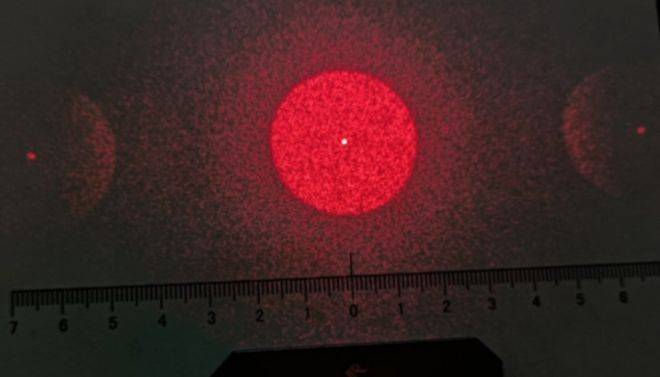
To understand lasers, first of all, you have to distinguish between lasers and the ordinary light that we see every day. Simply put, lasers are a special light of “high concentration, unity of direction, single wavelength”, a characteristic that allows them to perform fine tasks like “precision tools”, rather than “spreading and disarray”。
(i) core characteristics of the laser: why can it become a “precision tool”
We can use "queuing" to describe the difference between lasers and ordinary light:

This “centralization” brings with it three core advantages of lasers and is key to making it an industrial tool:
(ii) laser generation: not "making light", but "collating light"
Many people think that lasers are "special light made out of space," but they're not -- the lasers are more like "collating and magnifying ordinary light" and the core is three key steps through this device:
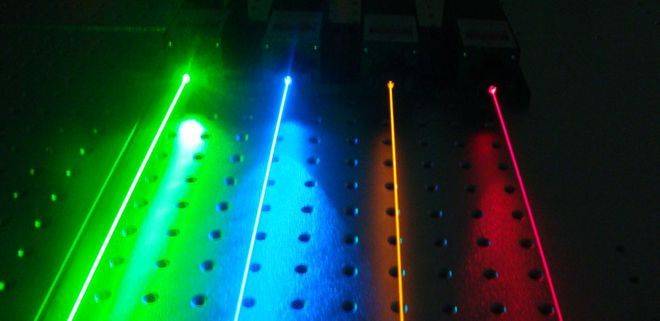
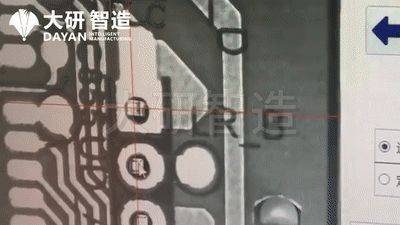
A life-long example is the “semiconductor laser” used in the zilong laser welding device, which generates wavelengths of 915 nm or 1070 nm by electric stimulation of semiconductor materials, which are invisible, but concentrated in energy and suitable for the precision welding of electronic components; our familiar “red light laser pen”, which produces red visible light of 650 nm wavelength with semiconductor material, with low energy and suitable for direction or sweep codes。
(iii) no need for ordinary people to dwell on “complex formulae”, focusing on “real effects”
For non-professionals, there is no need to remember such specialized terms as "irrigated radiation" "particle numbers" but the core value of lasers: it can turn "dispersed energy" into a "precision tool" -- just like ordinary light can only "light the room" and lasers can "precise the tiny elements of a welded mobile phone" "cut the hard metal" "repair the retina of the eye," which is the charm of laser technology。
The application of laser technology: from “daily life” to “industrial production”
The use of laser technology has long gone beyond the scope of science fiction films, from the electronics we're exposed to every day to the medical, transportation, communications, and so on. We can divide laser applications into three categories according to the energy level, and ordinary people can easily match the scene with the life scenario:
(i) low-energy lasers: the "temperature lasers" that we are exposed to every day
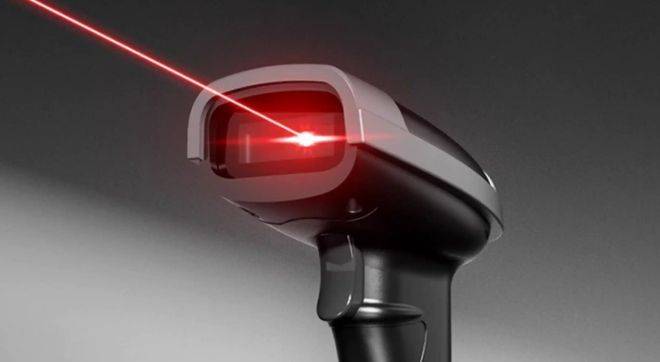
The energy of such lasers is low and is mainly used for “information transmission” or “direction” and does not cause harm to humans
(ii) medium energy laser: “fine tool” in industrial production
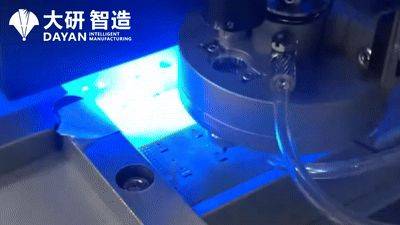
The energy of such lasers is moderate and produces a certain amount of heat, but does not unduly destroy materials, mainly for “processing” or “repair”, and the core scenes are concentrated in the fields of electronic manufacturing, medicine and so forth:
(iii) high-energy lasers: “power tools” in industry and science
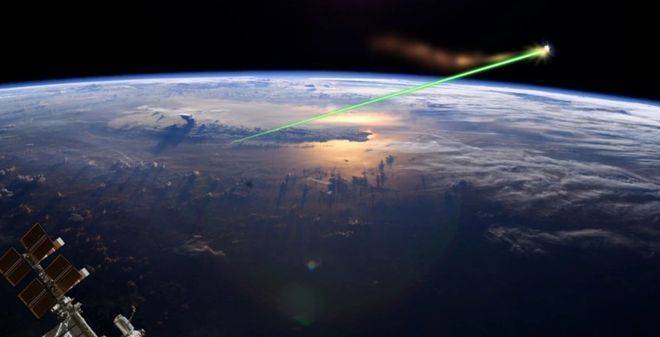
Such lasers are extremely energy-intensive and can melt or even gasize metals, mainly for “heavy processing” or “scientific research”, with less direct contact by ordinary people, but with indirect benefits:
Focus on electronic manufacturing: how do laser tin ball welds use “precision” to solve production difficulties
Among the many laser applications, laser scylla welding is one of the industrial applications that is most closely connected to our daily lives -- cameras in your mobile phone, sensors in your headphones, battery management systems in new energy vehicles (bmss), all of which can be processed through laser scylla welding. For ordinary people, understanding this technology allows us to understand why mobile phones are getting smaller and smaller and why the batteries of new energy cars are more reliable。
(i) traditional welding “a painful spot”: why do you need lasers to “help”
In electronic manufacturing, "welding" is a key step in stationing elements (e. G. Chips, sensors) on circuit boards. Traditional welding (e. G., iron welding, hot welding) is like "a small part of a large welding bar" and can be problematic:
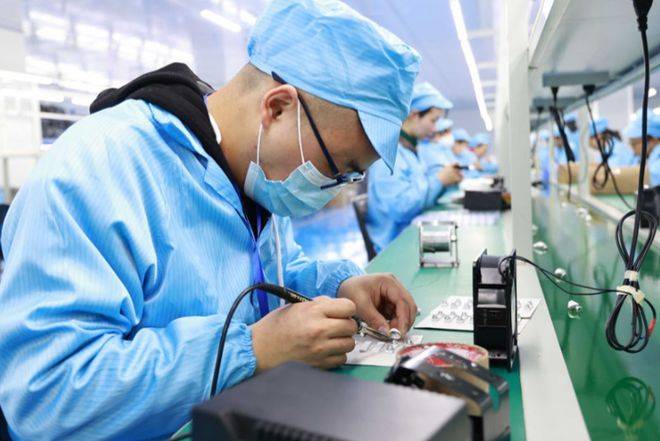
These problems happen to be the "strength" of laser tinball welding -- it's like "replaced iron with embroidery needles," which precisely solves the problem of welding of tiny elements。
(ii) work logic of laser tin welding: “3-step operation” that ordinary people can understand
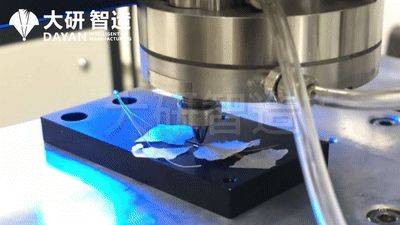
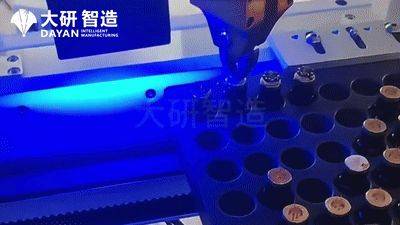
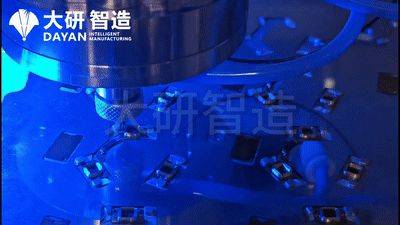
The nature of the laser tin welding device, built by dae-soo, is to complete the welding of micro-components by three steps, namely, "accurate ball delivery, laser heating, real-time detection" and the whole process is like, "accurate little flame melts small tin beads, glued to a given position":
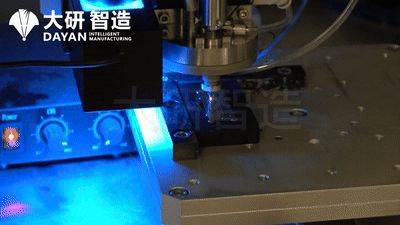
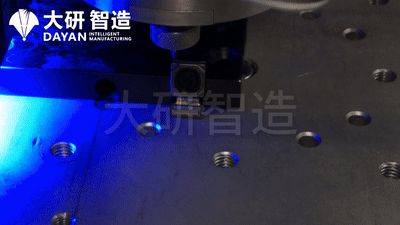
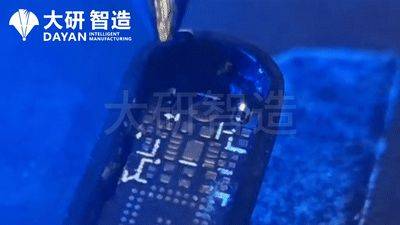
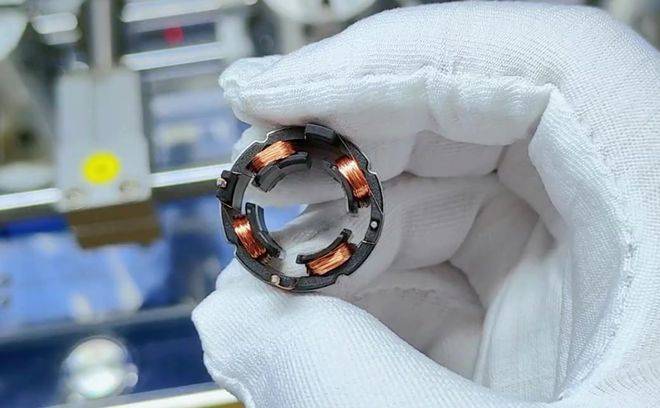
To give a specific example: the “vcm motor” in a mobile phone (the control camera focus component) has a weld space of only 0. 25 mm. The traditional welded “bridge connection” (the probability of connecting the adjacent welding points) is as high as 2-3 per cent, while the bridge connection of the scylla laser welding in osei is below 0. 05 per cent and the welding is 30 per cent stronger than the traditional welding, which is why the current mobile camera is more focused and has a longer life。
(iii) laser tin ball welding: all the high-tech products around us can't be separated from it
While ordinary people may not see the laser welding process directly, these products benefit from this technology:
Common people understand the meaning of laser technology: how technology can change lives
For ordinary people, understanding the principles and applications of laser technology is not just “understanding a technology”, but helps us to understand “why the products around us evolve” — for example, mobile phones are being converted from “heavy buttons” to “light, comprehensive screens” with the back of laser welding techniques (which can weld smaller components and save space); the continuation of new energy vehicles is becoming longer and related to more reliable laser welded batteries and to higher energy intensity。
At the same time, the development of laser technology reflects the upgrading of our manufacturing industry: businesses like dae-sook, which have been able to develop laser tin welding equipment on their own, break foreign technology monopoly and make “chinese-made” electronics, medical equipment, automobiles more competitive -- these advances will eventually translate into “better-used products, easier services” in ordinary people's lives。
Conclusion: laser technology is not a “distant high technology”, but a “tool of integration”
After reading this article, we believe that your understanding of laser technology has evolved from being a science-fiction beam to being a practical tool around you. In fact, any complex technology eventually leads to a “service life”: laser technology, from the birth of a laboratory to today's ability to weld tiny elements from a mobile phone, repair eye diseases, and transmission of high-speed networks, is essentially “technology to meet human needs”。
For ordinary people, there is no need to be an expert in laser technology, but it is enough to think of “the laser technology behind these products” when using mobile phones, medical equipment, new energy vehicles. And companies like daeji will continue to sharpen laser technology more precisely and efficiently, allowing more "good, reliable" products to enter our lives。