The era of free return without freight may be over. Media visits in recent days after the “refund alone” triggered industry disputes have revealed that many consumers' “freight insurance” entitlements have been cancelled from the platform and that many of the businesses that previously granted them “freight insurance” rights have begun to shut down this service on a large and quiet scale。
The large-scale closure of freight insurance by businesses is a continuation of the return of goods in the electricity industry. During the two-xiitory period, a similar issue of return was hotly searched。
Freight insurance is also the product of the same operational approach. Its products are intended to increase the order rate by lowering the consumer return threshold through products such as “insurance”。
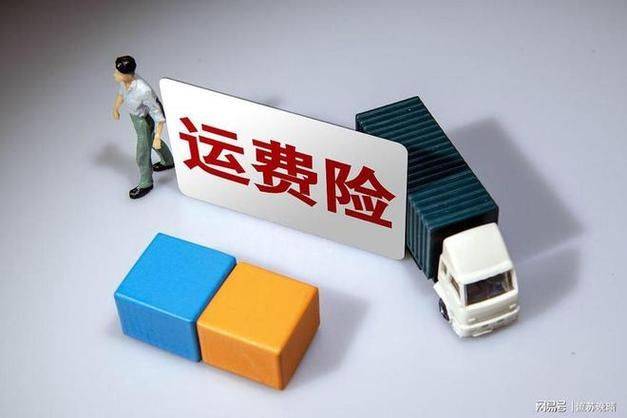
In practice, however, “freight risk” has gradually changed. For example, freight risk is gradually becoming a commercial insurance policy for consumers, who are unilaterally guaranteed freight security for the return of goods. The fact that a contributor to an insurance product is not entitled to direct security benefits from the outset makes it difficult for shipping insurance to be genuinely accepted by the business。
Theoretically, the consumer chooses to return the goods, for whatever reason the party choosing to do so objectively increases the transaction costs of a single order, except for clear business reasons. However, product designs such as freight insurance or only refunds result in a mismatch between the costs and interests of the parties. The “default” party to the transaction does not have to bear any cost, leading to the alienation of otherwise equal transactions。
For example, offline shopping. A shopping mall provided “unjustified return for goods” services based on consumer interests. It is hard to imagine, however, that the mall will further bear the cost of the way consumers “from home to the mall”。
It is even more difficult to imagine that one-sided promise malls have also passed the cost of “paying road fees” on to businesses in the mall through product designs。
Once that happens, what is the final outcome? There has been a surge in traffic and trade at the mall, as it can be “reimbursed” and customers can buy home at any time or come back for a test at any time, at no cost to the economy。
At the same time, if the merchants in the mall do not raise the sale price, they bear all the additional costs mentioned above. Risks such as excess road fees, potential commodity losses, consumer disputes and even wool parties are borne by the business community。
As can be seen from the above-mentioned cases, the largest winner of product design, similar to return and freight, is actually a “business” or platform for providing a place of dealing. While consumers appear to have gained some benefits, in the long run, the extra costs to be borne by the business will necessarily increase prices or lower quality in a disguised manner, and the ultimate benefit remains the consumer。
The resistance of traders to freight insurance and their aversion to “refund alone” are not willing to serve their customers, but rather to participate unilaterally in an unfair deal to pay for a portion of the consumer or even a “collateral refund” from the wool party。
Products designed by the platform on the basis of the goal of maximizing traffic and order conversion rates should also take full account of the costs and experiences of participants。
For example, should the customer who chooses to return the goods also pay part of the freight insurance costs? Should consideration be given to allowing merchants to close freight insurance, for example, to customers with higher rates of return
In the long run, any transaction should last in a virtuous circle of win-wins, maintaining an ecological environment of equal rights and responsibilities, transparency of rules, and building trust between traders and consumers, much more important than a one-sided flow in the short term。