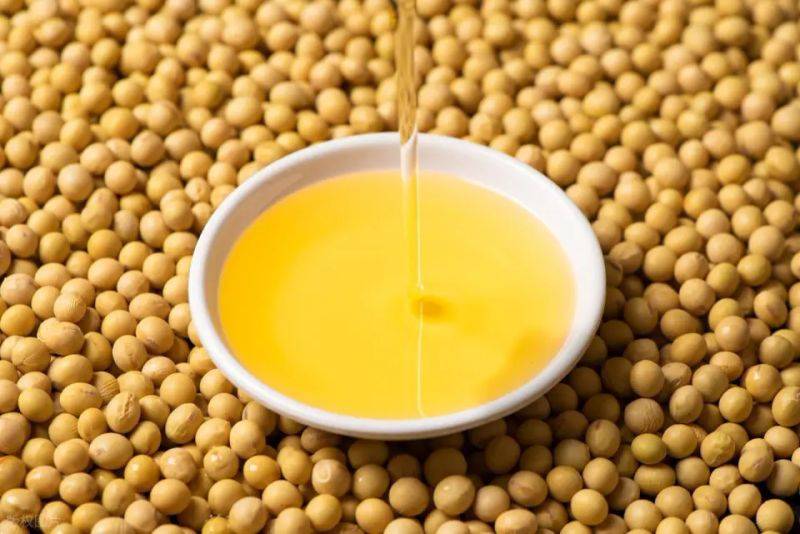
Every time you go to the supermarket, you go to the edible shelf, and you look at the labels, you send the existing "crush the soy oil" and the label "leave the soy oil." this is not only a difference between two words, but also between two completely different oil processes. Like tofu, some grind it slowly with stone, some press it quickly and make tofu, but the process and results are very different。
As a person who rotates in the kitchen every day, i have specifically taught the in-house teacher the full difference between the two, from raw materials to craft to finished products. So, let's talk about the difference between these two oil processes
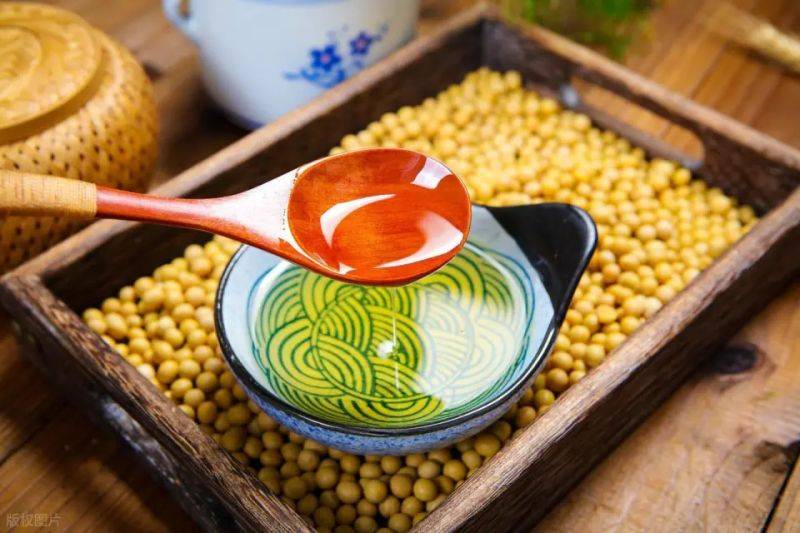
Process differences:
Squeeze bean oil: in short, wash, break and steam the soybeans and use mechanical pressure to "squeeze" the soybeans. It's kind of like we squeeze the water in the sponge with our hands, and it's all on the outside. Traditional pressure requires soybean embryos to be condensed with temperatures between 110 and 130 degrees, a process that degenerates soybean proteins and produces specific spices。
Leach bean oil: it leachs pretreated soybeans embryos using food-grade solvents (mainly light gasoline no. 6) to solute oil resins in solvents. It's like cleaning up the oil on a dish, using a similar phase solution. The leaching workshop requires strict blast protection because the solvent is flammable and explosive. The entire production process consists of a combination of impregnation, evaporation, gas lift and, finally, ensuring that the solvent residue reaches the standard by heating to 110-115 degrees。

Distinction in nutrition:
Compression of soybeans: natural soybeans fragrance and nutrients are preserved as a result of physical pressure and evaporation. Vitamin e is high and contains about 15-20 mg per 100 grams of oil. At the same time, there is a greater abundance of vegetative glycol in soybeans oil, which is beneficial to humans. However, as a result of the high temperature experienced during the squeezing process, some heat-sensitive nutrients could be lost, such as the small amount of vitamin b originally contained in soybeans that was destroyed during the steaming process。
Leaching of soybean oil: some natural nutrients are lost during the refining process, including approximately 30 per cent vitamin e and most plant ol. However, modern processes can compensate for these losses through subsequent additions. The leaching of soya oil does not produce trans-fat acid during processing because the desolate temperature is much lower than the temperature generated by trans-fat acid. In fact, when we cook at home, we are too hot to produce trans-fat acid。
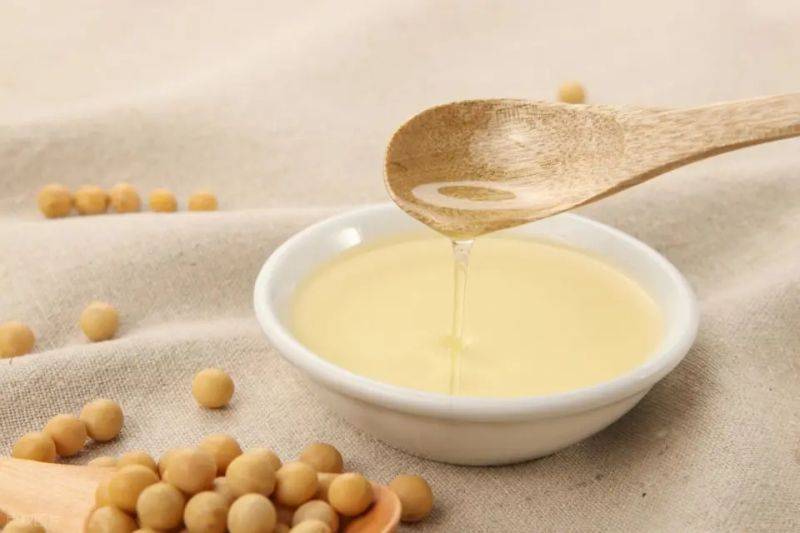
The difference in taste:
Squeeze bean oil: it smells sour, darker, dark yellow or light brown. This is because of the merad reaction during the steaming process, which resulted in fragrance. Screeched with soybeans, special soybeans are clearly smelled, especially in the form of north-east casseroles and precipitous vegetables. However, its smoke is relatively low, between 160 and 170 degrees, and not suitable for high-temperature fire。
Leach bean oil: after degeling, deaciation, decoloration, deodorant, multiple refining processes, bright and transparent colours, yellow and smell. It has a high level of smoke, can reach 170-180 degrees and is more suitable for fried and fried in medium cooking. However, as a result of deep refining, the natural flavour of oil is largely removed, so that the food itself is not disturbed by the soybeans that are used for cooking。
From a safety point of view, many people would feel more naturally safe if the soybean oil was extracted by physical means without chemical solvents. It should be noted, however, that if not refined, pressurized soybean oil may contain impurities such as phosphorous resin, free fat acid, etc., which make oil resin susceptible to oxidation during storage. It is therefore important to choose the products produced by the regular producers when pressing for soy oil。

Price differences:
The pressure on soybeans is more costly because of lower rates of oil production, 10-12 per cent, and higher requirements for raw materials. The market price of 500 ml of soybean oil is usually between $30 and $40. Leaching of soybeans can produce at a rate of over 95 per cent and can be done on a scale at relatively low cost. The 5-litre leachate often requires only $50-60, which is more expensive。
Differences in security:
Squeeze bean oil: because of physical methods, chemical solvents are not used, many people feel more naturally safe. However, they are not refined and may contain impurities such as phosphorous resins, free fatty acids, etc., which make oil resins susceptible to oxidation during storage。
Leaching soybean oil: in accordance with the national mandatory standard gb2716-2018, solvent residues in edible vegetable oil must be below 10 mg/kg, while the refined grade 1 standard is "not detectable". Formal manufacturers are well placed to meet this standard through multiple stages of evaporation and gas extraction. Also, the food-grade n-hexane is strictly purified and the content of hazardous substances such as heavy metals is extremely low。

Selective small skills:
1 see the label: according to national regulations, the edible oil packaging must indicate the extraction process and the use of genetically modified raw materials. In addition, the qs/sc logo is recognized to ensure that the manufacturer complies with the norms。
2. Observation colours, smell: the soybean oil is darker and has strong tulips. The soy oil is bright and the smell is light。
The most important is choice based on use. It's a good choice to squeeze soy oil if you're always cooking cold or cold. It would be more appropriate to soybeans oil if it was mainly high-temperature fried。