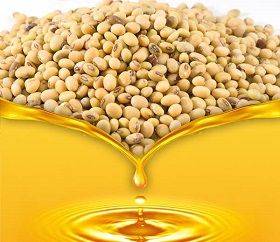
Bean oil, commonly known as soybean salad, is one of the most common cooking oils. Bean oil is squeezed from soybeans or refined through leaching. Cold soy oil is lighter in colour and taste; hot soybean oil, because of the high temperature of the raw materials, has a high rate of oil production, but it is darker in colour and smells of more raw beans. Depending on the processing process, it can be divided into soybeans, filtration and precision soybeans. The soybean oil is brown, the majority of the fine is yellow and more sticky. After long periods of air, the soybeans will form impregnable film. Bean oil is of higher nutritional value than other oils, and food is preferred in all regions of the country. Soybean oil is mainly used to mix salad, cook or make vegetable cream。
Soybeans are mainly produced in the north-east, north-east, east and south-central regions of the country. Soybean oils contain large amounts of sub-oilic acids, which are essential fatty acids for humans and have important physiological functions. Young children lack sub-oil acids, their skin becomes dry, their crumbs are thicker and their growth is slow; the lack of sub-oil acids among older persons causes cataracts and cardiovascular disease。
Soybeans are the most popular oil products in the vegetable oil market. In terms of chemical composition, soybeans contain abundant, unsaturated fatty acids and unsaturated fat acids, as well as low saturated fatty acids. Of these, palm acids range from 7 to 10 per cent, hard-fat acids from 2. 0 to 5. 5 per cent, peanut acids from 1 to 3 per cent, oilic acids from 20 to 50 per cent, sub-oilic acids from 35 to 60 per cent and subsedic acids from 2 to 13 per cent. Functionally, soybean oil contains 7-8 per cent alpha-sub-oil acid, making it effective in reducing serocholesterol levels and preventing cardiovascular diseases. Enriched in components e (alpha-ve 10. 0wt%, beta-ve 0. 8wy%, gamma-ve 62. 5wt%, zirconium-ve 26. 1wt%), plant osteol and phosphorous resin, etc., make them more healthy for human health。
1. Soya oil contains unsaturated fatty acids such as rich sub-oil acids, which reduce blood resin and cholesterol and, to some extent, prevent cardiovascular diseases
2. Soybeans, free of carcinogens and cholesterol, protect the organism
3. Bean phosphorous resin in soybeans oil is beneficial for neuron, blood vessels, brain growth, but excessive consumption of soybeans oil has some effect on cardiovascular vessels and is susceptible to obesity。
Unsaturated fatty acids (unsaturated fatty acids, ufa) in soybeans oils have a high level of mono, multisaturated fatty acids of nearly 80 per cent and total oilic and sub-oilic acids of over 70 per cent. The ufa has multiple physiological effects such as the reduction of serocholesterol, softening of blood vessels, the prevention of hypertension and the prevention of cardiovascular diseases, which are important vegetable oils of high nutritional value and good taste。
The soybeans (glycine mnz) seeds are extracted from solvents after decomposition, decoloration, deodorant to remove free fat acid, phosphorus, pigments, odour and trace amounts of other non-oily substances。
Chemical properties
Light amber oil, as low as 2-4°c, is still liquid and should be free of external substances at 21-27°c. Painting agents; emulsifiers; forming aids; tissue improvement agents. Solvent used as a lipid soluble drug. It is also used in the manufacture of hard oil, soap, glycerine and paints, which are used in glycerine, which are not easily diagnosed in combination with tannery. Prepare sulphate。