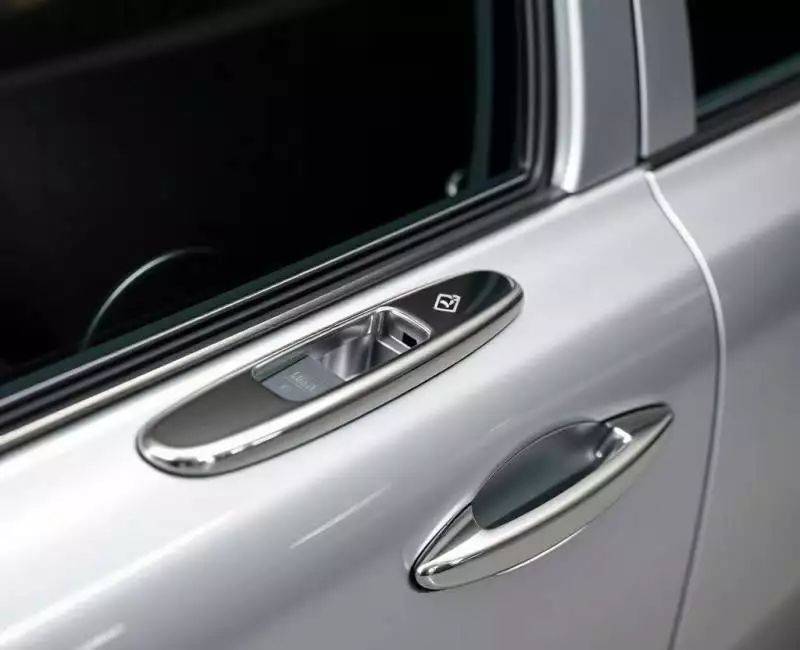
For a long time, electroplating, because of its good adhesive properties, metallic senses and relatively mature production processes, has dominated the surface processing of vehicle parts, especially on parts such as inside and outside cars, doorknobs, signs, grids, etc., and has made it an almost “metal sense”, providing stable and low-threshold solution for many parts suppliers。
However, after the new energy age, the demand for applications has increased dramatically, with stringent national environmental policies and higher requirements for material conservation, process cleanness and functional membranes in the automobile industry, a traditional process of electroplating being “nominated”. Moreover, the demand for capacity for the size of new energy vehicles and the speed and efficiency of response to traditional plating lines pose serious challenges. Under the multiplicity of factors, a realistic judgement becomes clearer: the golden age of electroplating is over and the phase-out is under way。
The source of the pulmonary knot has been found, and the alcohol is not on the list, and the first one is eating every day
. Advertising x
Why is the plating process being "released"? The real dilemma under triple pressure
I. Policy high pressure: constant tightening of the environmental red line and entry of electroplating enterprises into high-risk areas
In the context of the continued advancement of the “bicarbon” target, the electroplating sector has become a priority for environmental regulation, with indicators such as wastewater discharge, heavy metal ion and acid-alkali exhaust being placed under strict control, with the margin of error almost zero. Under this pressure, enterprises must bear high compliance costs such as environmental facility upgrading, online monitoring of sewage and disposal of hazardous waste norms, and profit space continues to be squeezed. At the same time, the risk of a “one-vote veto” is becoming increasingly high, with a slight oversight leading to a production cut-off, a cut-off and even a financial chain. In addition, plating suppliers with no environmental qualification and no emission review are gradually being removed from the entire plant supply system. In addition, the european and american markets have established environmental protection thresholds for electroplating products such as rohs, reach, elv, the accelerated greening of industrial chains and the continued tightening of business space。
Technology bottlenecks: function and light quantification are difficult to reconcile
At present, the plating process is still dominated by the upgrading of decorative and preservative properties, making it difficult to match the combined demand of new energy vehicles for light quantifying, multimaterial and electronic functions. In harsh environments such as high temperature, strong light, electroplating coatings are susceptible to colour variations and cracks, and the suitability of plastics, composite materials and components with light and sensory functions is poor, and the processability of complex structures and layers is difficult to guarantee. This set of technical limitations has become an important constraint for electroplating enterprises to expand the market for new energy vehicles。
Iii. Energy bottlenecks: difficulties in adapting to high-synthesis production
As the production and distribution of new energy vehicles continues to grow, the whole plant places higher demands on the flexible capacity of the spare parts supply chain. According to the chinese association of automotive industries, the number of new energy vehicles in our country exceeded 9. 5 million in 2024, representing an increase of about 30. 3 per cent over the same period, and the pace of “daily production” at the mainframe plant is accelerating. However, the long cycle and poor batch consistency of the plating process, combined environmental clearance and production qualification constraints, the difficulty in meeting the demand for large-scale, high-temperature, high-coherence production, the apparent inadequacy of supply chain capacity and the urgency of industry transformation。
Why is pvd good? Cleaner, more advanced, more industrial
As the plating process moves into a “high-risk area”, the green plating technology, represented by pvd (physical gas deposition, physical vapoor depositation), is being viewed by a growing number of companies as a future option for the surface treatment of inner and internal accessories。
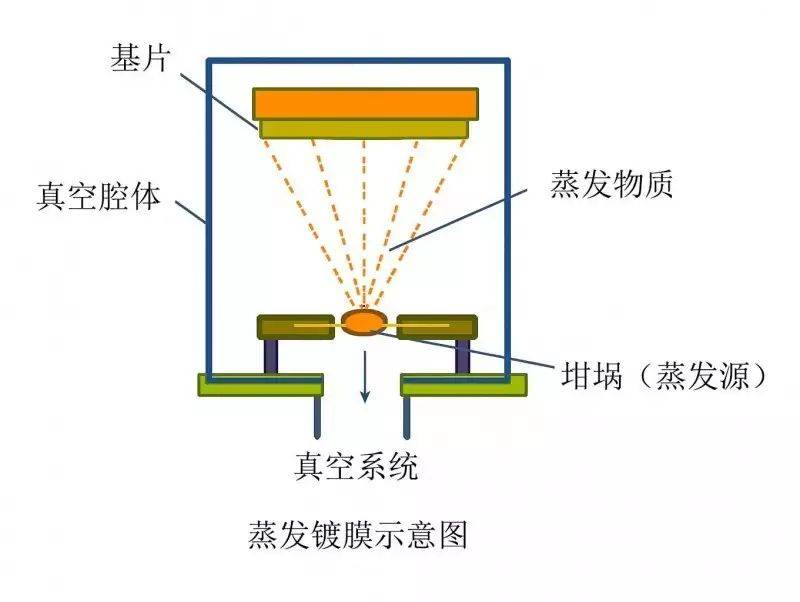
Pvd is a physical process in which metal materials are deposited on the surface of the base through evaporation, sputter, etc. In a vacuum environment, independent of electrolyte containing heavy metals and characterized by process cleaning, membrane densification and concentration. The membrane is not only well decorated, but also highly mechanical and corrosive。
Pvd has a systemic advantage over traditional plating in performance and manufacturing flexibility. It achieves multi-layered membrane structure design that accommodates decorative and functional requirements; can be applied to multiple base materials and complex structural components; supports customization of multiple membranes and colours; and has high rhythm, efficient features and a more flexible manufacturing model。
According to incomplete industry statistics, more than 60 per cent of the mainstream motor vehicle brands have now introduced the pvd process in their high-end or new energy vehicle models, representing enterprises such as biadi, kaya, ideal, popular, bmw, etc., which are moving from emerging technologies to industrial standards. In order to further enhance membrane performance, pvd is often associated with the cvd (chemical gas phase deposition) process and forms a composite structure in which the cvd transparency protection film significantly enhances the corrosive and colorful stability of the membrane. However, in traditional process paths, the pvds and cvds are usually carried out in sub-sections, with low efficiency and high probability fluctuations. To this end, some equipment manufacturers are accelerating the development and application of equipment for the integration of the pvd and cvd processes in order to improve institutional efficiency and consistency of production lines。
Currently, the pvd technology is accelerating from point application to scale and multi-industry forces are working together to promote process integration and line upgrading: equipment end-to-ends, such as a vibrating vacuum that introduces integrated vehicle inner-decordation membrane plating equipment, can complete membrane deposition and membrane encapsulation in a previous piece; processing end-to-ends, such as the kim jong auto parts and the zhuizhou precision industry are active in the layout of the pvd process; and, in the case of the whole plant, the ideal, biadi, and ullai brands have been quantitatively adopted in the medium-high-end vehicle type, and the pvd is moving from “selection” to “tendering”。
This upgrading has resulted not only in the optimization of the process but also in a leap forward in business resilience and market competitiveness for those firms that are leading the pvd transition. High-coherent membrane quality reduces back-to-work rates and product-control pressures, customizable, multi-coloural membrane plating programmes add value to products, and green compliance attributes allow enterprises to become more tolerant in the face of export regulations and the green supply chain appraisal of mainframe plants, and to win more opportunities for cooperation and brand recognition。
Conclusion: pvd is not a “alternative”, but a starting point for industrial leaps
It is clear that the pvd is not just an environmental alternative, but a “key point” for the automobile industry to the future. In the light of the trend towards new energy, intelligent and light-quantitative industries, “green manufacturing” has become a central strategy for whole factories. The availability of environmentally sound, efficient, functional membrane manufacturing capabilities in the spare parts supply chain will directly determine their long-term cooperation and participation in industrial games over the next decade. In the face of the flood of the times, firms that have the courage to invest and make a decisive transition are at the start of a new cycle of competition. Relent and wait will only miss the future。
Pvd is not just an innovation in membrane plating, but a profound change in the way cars are manufactured。