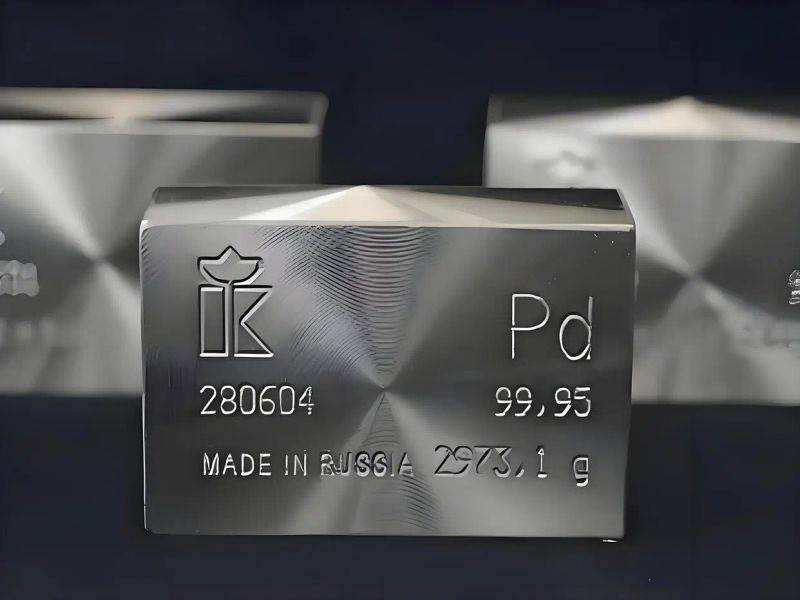
Palladium history
Discovery: 1803
Found: british chemist william hyde wollaston
Named: he found an asteroid called pallas, and wollaston named new metals。
Historical applications:
Initially, the platinum was used as an additive to gold and silver alloys, increasing its hardness。
In the nineteenth century, it began to be used in the jewellery, dental and watch industry。
In the latter part of the twentieth century, with the rise of the automobile industry, the platinum was used extensively as a car tailing catalyst and became an important environmentally friendly metal。
In the electronics industry, plating, connecting materials are also important materials for modern hard drives and electronic components。
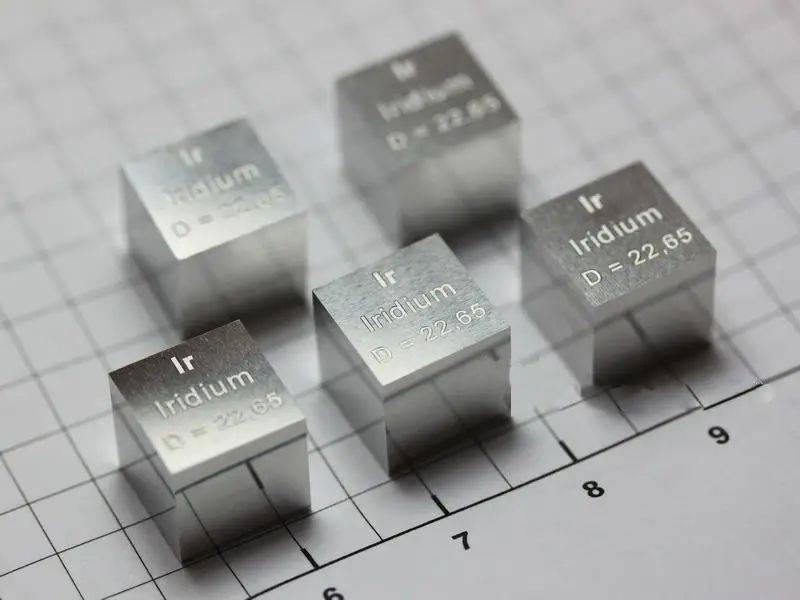
History of iridium
Discovery: 1803
Founder: same as smithson tennant, wollaston's colleague, while studying platinum ore。
Named: iridium is given the name because its compound has a variety of rainbow-like colours (latin iris means "rainbow"。
Historical applications:
Iridium is one of the most corrosive metals on earth。
At the end of the nineteenth century, it was used to make pentips (with platinum alloys)。
In 1889, french scientists made the international rice plant (standard metre) with a molybdenum, which is highly stable。
In modern times, iridium is used in extreme environments such as high temperatures, electrodes, parts of rocket motors and deep-sea equipment。
In geology, iridium is also one of the famous evidence of dinosaur extinction: at the global climax-circle junction, scientists have discovered layers containing high concentrations of iridium, presumably from meteoric impacts。
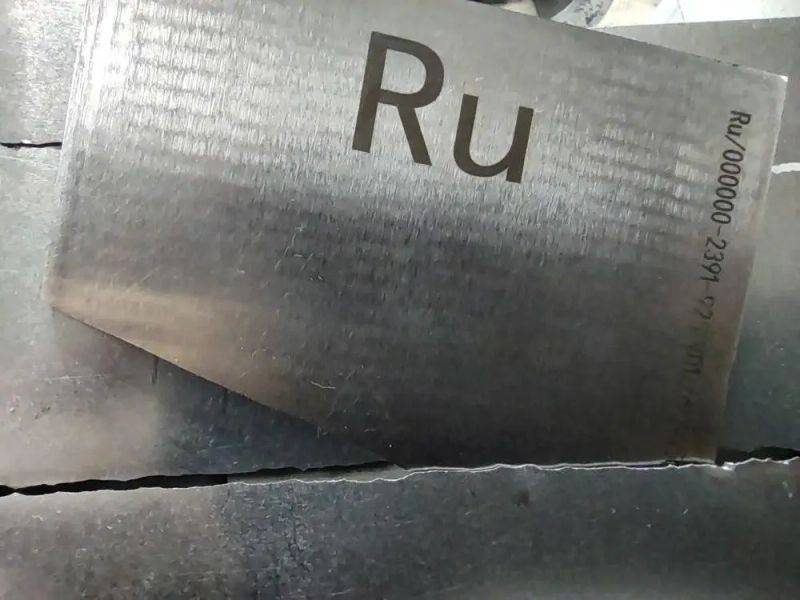
History of ruthenium
Discovery: 1844
Founder: russian chemist karl ernst klaus, who separated the platinum。
Named from the latin language ruthenia, meaning “russian”, to commemorate his country。
Historical applications:
The nineteenth century was used mainly as alloy elements of platinum and platinum to increase hardness and millability。
In the mid-twentieth century, radiums were coloured in the electronics industry: used in electrocutors, thick membranes, electrodes, etc。
Modernly, it is also used in solar cells, catalysts and hard disk storage techniques。
In the field of chemistry, argon catalyst (e. G. Grubbs catalysts) is important for organic synthesis and pharmaceutical research and development。
All three metals are extremely rare, producing much less than gold and platinum. It's all found in the "column" of platinum ore. There is no substitute for modern industry and high technology (cars, electronics, chemistry, aerospace)。