Different scenes, different labels
The requirements for rfid labels vary considerably from one application to another. Let's just say the assets on the metal shelf in our company's warehouse, i bought some regular rfid tags at first, and when i counted, a lot of the tags couldn't be read, and almost didn't make me dizzy. It later became known that the metal surface interfered with the normal rfid label signal and that it had to be resistant to rfid tags. Such labels have special structures that allow them to work normally in a metal environment, with a much more stable reading distance and rate. Like a friend in manufacturing, whose warehouse is full of metal equipment, using metal-resistant rfid labels, the efficiency of the inventory has improved so quickly that it has taken days to complete, and it is now done in one day (data from the actual use of feedback by friends)。
In addition to the liquid environment, some of our laboratories have liquid containers containing reagents. Normal rfid labels are placed on these containers, and signals are absorbed or reflected by liquids, which makes reading difficult. This is when a special sealed rfid label is used, which is designed to protect against liquid interference and to ensure stable reading in a liquid environment. A similar problem has been encountered by a pharmaceutical company, which has a large number of liquid drugs in its warehouse, using special sealed rfid labels, and which has significantly increased the accuracy of the count without fear of missing the drugs because the labels could not be read (cases were shared by the industry community)。
Size frequency. Match demand
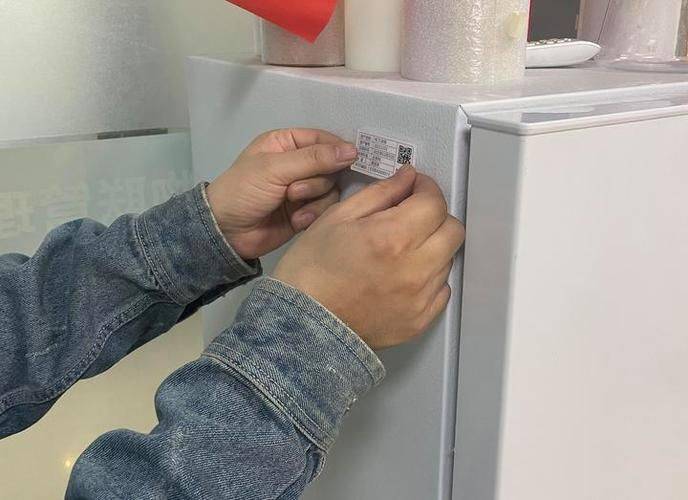
In addition to considering the application scenario, the size and frequency of the label must match our needs. Some of our company's assets are relatively small, such as electronic equipment, which, if labelled with too much rfid, can affect not only beauty but also the proper use of the equipment. So we have to choose smaller labels, and now there are a lot of super thin rfid labels on the market, small sizes, which don't affect the appearance of the equipment, and the reading is good。
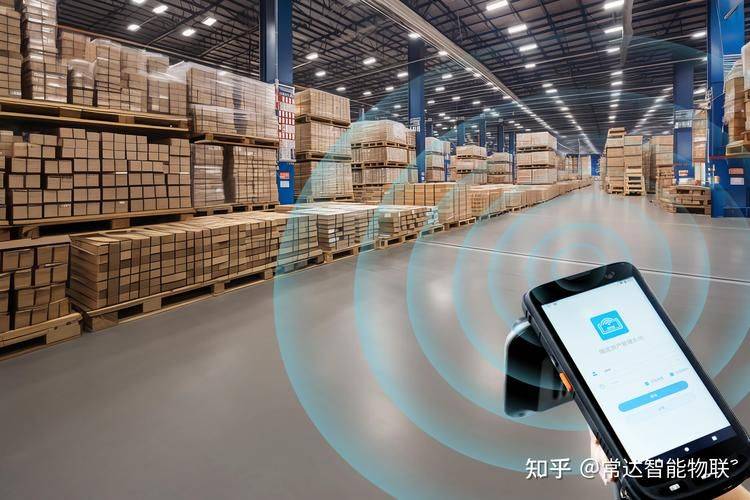
Frequency is also important. Low-frequency rfid labels are short-reading, but they have a strong penetrating capacity and are suitable for a number of events that are close and less demanding in terms of reading distance, such as being placed in a file cabinet in the office and used to take stock of documents. High-frequency rfid tags are medium-range and widely used, and many common asset counts are usable. The uhf rfid tag is remote and suitable for use in large warehouses or outdoors and allows quick access to a large amount of asset information. When our company's warehouse is larger, it picks up the uhf rfid label, and when the inventory is taken, staff members walk around the warehouse with a reader, and they can read most of the asset information, which is very efficient。
First-code system
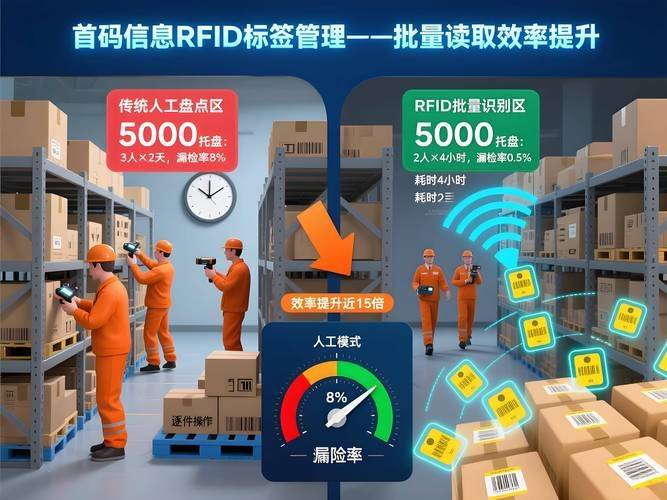
In the selection of the rfid tag, i also found a good thing: the first-class fixed asset management system. It's a system that works with the rfid label. It binds each rfid tag and corresponding asset information, and when we take an inventory, read and write the label information, the system automatically displays the asset information and compares it to the records in the database, which assets are in, which are not. And it's a simple system, and it's not long before our employees are trained. With it, our asset inventory has become much easier, and it will no longer take time or error to check the asset list one by one, as was the case before。
It's not that hard to pick a rfid label, so just pick the right type, depending on the actual scene, asset characteristics of our company, with a first-code fixed asset management system, and get an asset count fast and accurate. Now, it's been a while since our company used rfid labels to take stock of its assets, and the effect is that it's been working more efficiently, with fewer errors, and that i can spare more time to deal with other important corporate issues. So let's stop worrying about the asset count and pick up the rfid tag and start a new era of efficient inventory