How lightning forums
Lightning is a natural phenomenon often accompanied by thunderstorms and intense weather changes. It attracts attention with its spectacular light and huge sound, but few really know how lightning is formed. This paper will explore in depth how lightning is formed, the associated meteorological conditions and their environmental impacts。
Basic concept of lightningOh, right, right
Lightning refers to electrical discharges occurring in thunderstorm clouds or between clouds and the ground. It is essentially an electrical release, usually accompanied by strong light and sound. The emergence of lightning is not only a result of uneven distribution of charge in the atmosphere, but also a direct reflection of changes in weather conditions。
The force production of lightning
The formation process of lightning can be divided into several main stages: charge separation, accumulation and discharge。
1. Charge separation
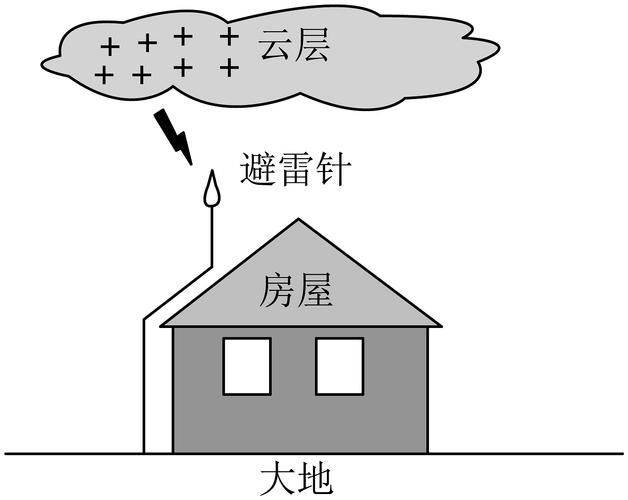
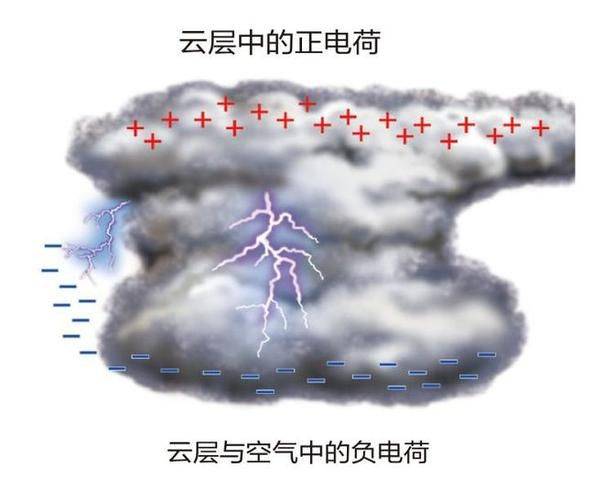
In thunderstorm clouds, the movement of droplets and crystals leads to the separation of charges. The rising hot air brings water vapour into the air and, as the temperature decreases, water vapour condensates into droplets or crystals. These droplets and crystals are colliding in clouds, resulting in the separation of positive and negative charges. Usually, lighter crystals take the positive charge and heavier droplets take the negative charge。
2. Charge accumulation
The intensity of the electric field in thunderstorm clouds is gradually increasing as the charge continues to separate. The accumulation of charge has led to increasing power differentials between clouds and between clouds and the ground. When the power gap reaches a certain level, the field of power in the cloud is strong enough to overcome the insulation of the air and to form a circuit。
Discharge process
Once the strength of the field exceeds the insulation limit of the air, the current is rapidly discharged along the path of the field to form lightning. The lightning discharge process usually has several stages:
Types of lightning
Lightning has a variety of types and can be classified into the following main types according to the characteristics of the environment it creates and discharges:
1. Cloud-to-earth lightning
This is the most common type of lightning, occurring between thunder clouds and the ground. The discharge process of cloud-to-ground lightning is usually from the cloud layer to the ground, forming a bright lightning channel. Because of their strength, they often cause serious damage to objects on the ground。
Cloud-to-lightning
This type of lightning occurs between two clouds. Cloud-to-light lightning is usually more complex than cloud-to-ground lightning, and its discharge paths may reflect and reflect repeatedly within the cloud, creating complex optical effects。
3. Ground-to-claud lightning
Ground-to-air lightning discharges from the ground to the clouds. This type of lightning is relatively rare and usually occurs on high buildings or peaks, with currents extending upwards from the ground through conductors to clouds。
Ball lightning
Sphere lightning is a rare and not fully understood phenomenon, usually manifested in a luminous body floating in the air. The mechanisms for their formation are not yet clear and are still being studied by the scientific community。
The weather conditions of lightning
Meteorological coI'm sorry
The formation of lightning is closely related to specific weather conditions. The following are some of the important factors affecting lightning formation:
Temperature and humidity
High temperatures and humidity are conducive to thunderstorms. Warm air can carry more water vapour, and when it cools at high altitude it creates clouds and can lead to thunderstorms。
Upstreams
Strong rising air currents are a key factor in thunderstorm formation. Rising air currents can bring water vapour into the air and contribute to cloud formation and development. The greater the intensity of the rising air current, the longer the intensity and duration of the thunderstorm, the longer it usually lasts。
Wind shear
Wind cut