- naming rules: short membrane (e. G. Brand. Com), avoidance of hyphenation, preference for . Com/. Cn suffix。
- platforms for registration: godaddy, namecheap, ali yunwan network (real name required for domestic filing)。
2. Host selection
- type comparison:
- shared hosts: bluehost, suitable for small websites。
- vps/log server: high performance (aws, twirling cloud), suitable for high traffic sites。
- geographical optimization: selection of national hosts by domestic users (to be documented by the icp) and acceleration of the cloudflare cdn by overseas users。
Step 3: design and development of a website
1. Self-development of vs station tools
- code development: appropriate for customisation needs, technology warehouse such as HTML/css/javasCript (frontend) + php/python (backend)。
- station platform:
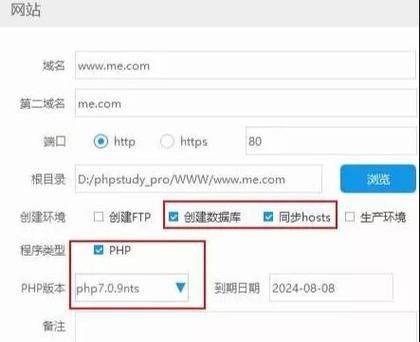
- cms systems: wordpress (a rich plugin such as woocommerce electric), drupal。
- no code tools: wix (trawling), squarespace (design template library)。
Core design principles
- responsive design: ensure that mobile phones, tablets, and pc-end automatic matching (bootstream framework)。
- visual consistency: fonts, colours match brand vi (e. G., the production of colours in adobe color)。
- critical functional development: e. G. Search function, shopping vehicle logic, user login system。
Step 4: filling and configuration
1. Content creation
- seo friendly text: titles contain keywords (e. G. “guidance for the selection of quality coffee beans”), paragraph sub-points, graphic combinations。
- multimedia material: compressed pictures (tinypng tool), embedded videos (youtube/vimeo extra-chain saves bandwidth)。
2. Functional configuration
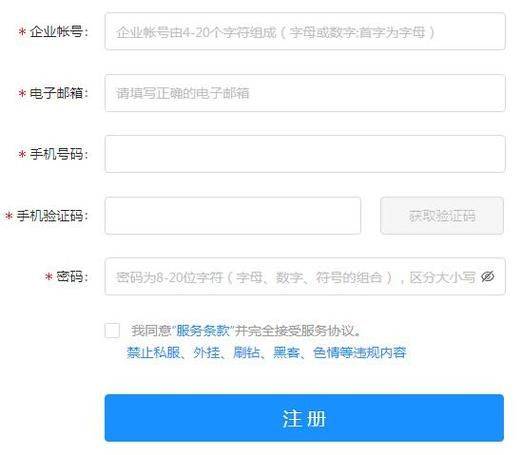
- plugin/extension installation: wordpress installs yoast seo, contact sheet plugins (e. G. Co)No, it's not。
- third-party service access: payment interface (pay money/stripe), data analysis (google analytics)。
Step 5: testing and optimization
1. Compatibility test
- multiple browser tests: chrome, safari, firefox shows normality (using brownerstack)。
- mobile end appliance: check button size, text readability (google mobile-friendly test)。
2. Performance optimization
- load speed: compressed resource (webpack), enabled cache (wp rocket plugin), 2 seconds on target screen。
- security: ssl certificate deployment, firewall configuration (e. G., wordfence plugin against hacker attacks)。
Step 6: upline launch and ongoing maintenance
1. Official access

- domain name resolution: point domain names to host ip (dns settings are subject to validity, usually within 24 hours)。
- submission of the search engine: submission of site maps through google seach console, 100-degree platform。
Long-term maintenance
- regular updates: weekly updates of content, monthly system/plug-in upgrades (deficiencies)。
- data monitoring: use uptime robot to monitor website availability and set up automatic backups (e. G. Jetbackup)。
- seo optimization: continuously tracking key word ranking (ahrefs tool), optimizing long end words。
Tools and resource recommendations
- design tools: figma (line frame), canva (quick mapping)。
- development resources: github open source library, codepen front end example。
- test platform: gtmetrix (velocity analysis), sucuri (security scanning)。
Following this six-step process, it takes only one to three months from planning to going online (detailed by complexity), with an emphasis on clear and continuous iterative planning for the preceding period. When time is limited, saas construction station tools (e. G. Shupivy electric, webflow design) can be used directly and are available within a maximum of one day。