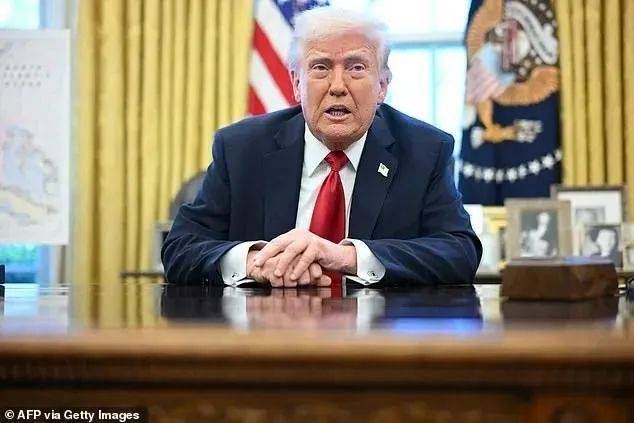
On wednesday, trump officially announced at the white house that 25 per cent of new tariffs would be imposed on all foreign-made cars, a policy that would come into effect on 2 april. Trump stressed that the initiative was a sign of “the return of american business” and stated that the new deal would push the united states automobile industry “unprecedentedly booming”。
This tariff scheme is considered another important step in the “united states first” economic policy of trump, where the president stated to journalists at the oval office: “we will impose a 25 per cent tariff on all non-united states-made cars, be they friends or enemies”. He added: “this is a moderate measure that we must do.”
This is a very expensive tax, especially for the price-rising automobile industry. The automobile industry in the united states is now globalized, and even many united states branded cars are made in mexico, not to mention luxury cars such as mercedes bmw, many of which are imported directly from europe。
According to cars. Com, audi produced all but q5 in mexico in europe; bmw produced in mexico in all but 2, 3 and m2 in germany. Cadillac xt5 and xt6 are produced in china。
If a 30,000-dollar car were imported, plus a 25 per cent tariff, that would mean an additional $7,500, which the consumer could not afford。
The anderson economic group estimates that the price of each vehicle may increase by between $3,500 and $12,000 due to customs duties. This change will affect not only brands imported from the rest of the world, but also united states automobile manufacturers who rely on foreign parts for local assembly。
Business promotion
Come to the factory
Twenty-one billion dollars in modern cars
Trump remained firm even in the face of negative reactions from financial markets. With the policy announcement, the standard 500 index fell by almost 1 per cent and the nasdaq index by about 2 per cent. But trump said to the journalists, "i didn't see that. I'm concerned about employment, and all this is going to happen."
Just the previous day, the korea modern motors group had announced that it would invest $21 billion in the united states over the next four years to build plants to produce cars in the united states, the largest investment in its history, and expected to create 14,000 direct jobs in the united states by 2028, with an annual output of 1. 2 million。
Trump suggested that a tariff on foreign cars could generate hundreds of billions of dollars in federal revenues. “in a relatively short period of time, we may be earning between $600 billion and $1 trillion”, he said confidently。
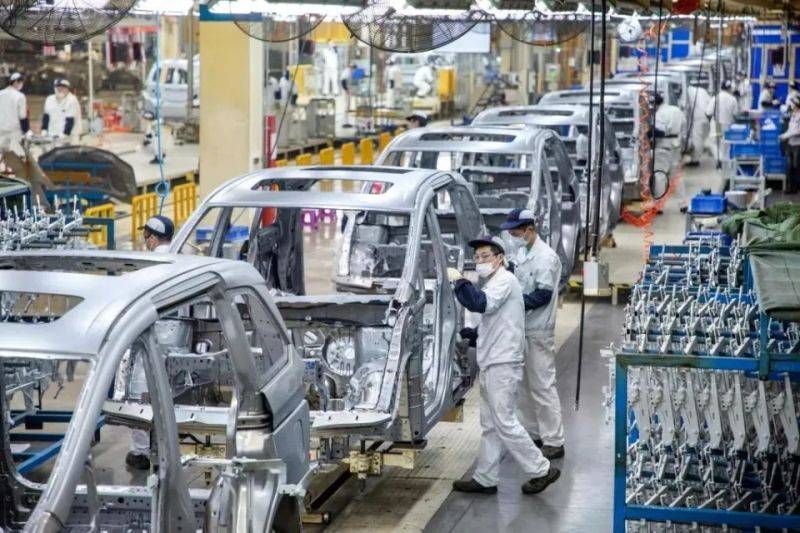
However, this policy immediately raised concerns among industry. The three u. S. Automobile companies, general purpose, ford and stellantis, had previously joined forces to urge the white house to waive customs duties on vehicles imported by canada and mexico, but it was not clear whether such exceptions were included in the latest executive order to date。
While trump is optimistic about policy prospects, there is concern that tariff policies will have a long-term impact on ordinary consumers, supply chains for spare parts and international trade relations in the short term。
In the long run, the establishment of a car manufacturer in the united states would certainly be beneficial to us employment, but the united states would have to remove inefficient and corrupt trade union hegemony, otherwise the creation of more jobs could be forced away by union hegemony。