The domestic market for finished oils ushered in a new cycle of rotation prices, the latest oil price adjustment window was officially opened on time, and news of oil price changes in the current round spread over the internet, involving millions of private drivers, truck drivers and operators in daily travel costs. In the light of recent developments in international crude oil, the stock of domestically produced oil supply and demand, and the combined measurement of market regulation mechanisms, the price adjustment has led to a clear trend, with the pattern of escalation and drop-off largely finalized, and it is imperative that the population of day-to-day driving, long-distance travel and freight-run vehicles plan their travel well ahead of schedule, take advantage of low-cost refuelling opportunities and save real spending。
Looking back at recent oil price trends, after several rounds of boom-and-bust adjustments in the previous period, domestic oil prices were generally at a level of volatility, and many drivers had become accustomed to increasing their current daily oil prices. After entering the new price cycle, the international crude oil market experienced marked fluctuations, influenced by global crude oil production adjustments, changes in international energy supply and demand, and commodity commodity movements. The continuous swings and swings in the price of crude oil and futures have led to a direct deviation of the domestically produced oil price adjustment benchmark, which has also led to a thorough orientation of the current oil price adjustment。
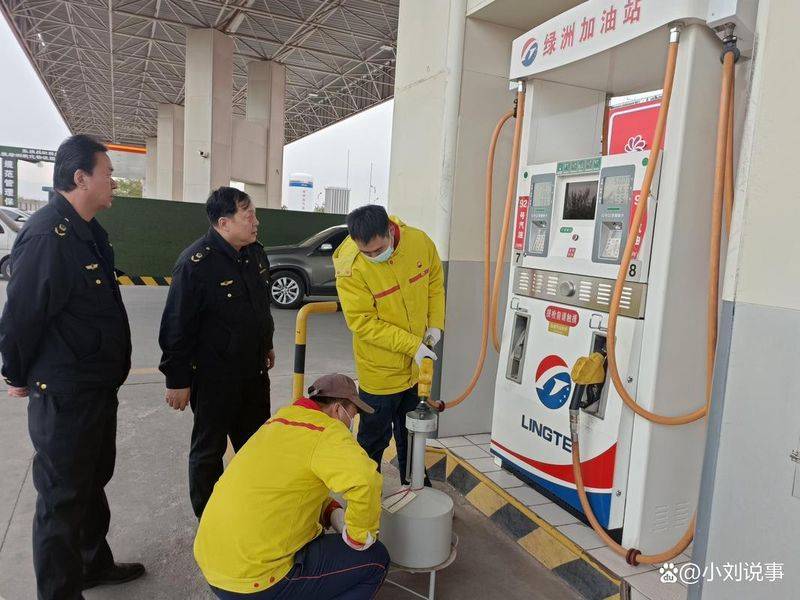
In accordance with the rules of the domestic finished oil pricing mechanism, 10 working days is a full pricing cycle, during which the international average price of crude oil meets the price adjustment standard, domestic gasoline and diesel prices are adjusted upwards or downwards at the same time, the result of which is harmonized and implemented officially on the day the window is opened, and the total new sale price is implemented at the same time as the major gas stations in the country, without regional delays。
Based on the current full-cycle statistics, the current round of price-calculation cycles shows a general reversal of international crude oil, with average prices continuing to fall and meeting the trigger for lower oil prices, which is also a relatively small recent and significantly lower rotation price. This downward revision, which covered petrol 92, 95, 98 and diesel 0 in its entirety, brought prices back to different labels, which was undoubtedly a real profit for a large number of owners。
After a precise accounting of the reductions, the most heavily recalcitrant priced petrol 92 per day by the owner of the car was significantly reduced, with a 50-litre tank full of an ordinary domestic car, saving a lot of fuel in one case, long-term daily commuting, which cumulatively saves a significant amount of expenditure; frequent high-speed, long-distance preference for the owner of petrol 95, which also benefits from the same downward bonus, with a further reduction in the cost of travel; and a simultaneous reduction in the price of diesel 0, on which trucks, slag cars and logistics transport vehicles depend, which directly reduces transport costs in the freight and logistics industries and helps to reduce operational pressure。

In the drive-by scene, the price of oil was reduced to cover the entire population. Working people drive around in the mornings and evenings, with a marked reduction in fixed weekly fuel expenditures; family members travelling on family holidays travelling on their own, with lower costs of fuel for long distances and a substantial increase in the cost of sex travel; vehicles operating on the internet, taxis, etc., with reduced fuel consumption directly increasing their daily net profit income and greater operating returns; and farm vehicles and engineering machinery in rural areas, with a concomitant decrease in the cost of oil used to support steady progress in agricultural production and engineering。
In-industry energy sector analysts have stated that the current downward trend in oil prices is not a short-term setback, that there is good news that the international crude oil market has not shrunk significantly in the short term, that oil prices are expected to remain low and smooth in the short term, that there will be no rapid sharp rebounds and that the owners of the cars will need not be too scared to accumulate large amounts of fuel。
At the same time, they are reminded that, on the eve of the formal landing of the price adjustment, oil prices remain at their original prices, and that saving up-to-date refuelling can be done at regular oil, chinese petrochemical gas stations, avoiding new price increases; that daily refuelling can be used as much as possible to raise points in early and late hours of low temperature, with the same amount increasing the amount; and that good driving habits can be established at normal times, with fewer fast-paced, brakes, long-term in situ hot vehicles, effectively reducing the 100-kilometre combined fuel consumption of vehicles and further savings from vehicle usage。
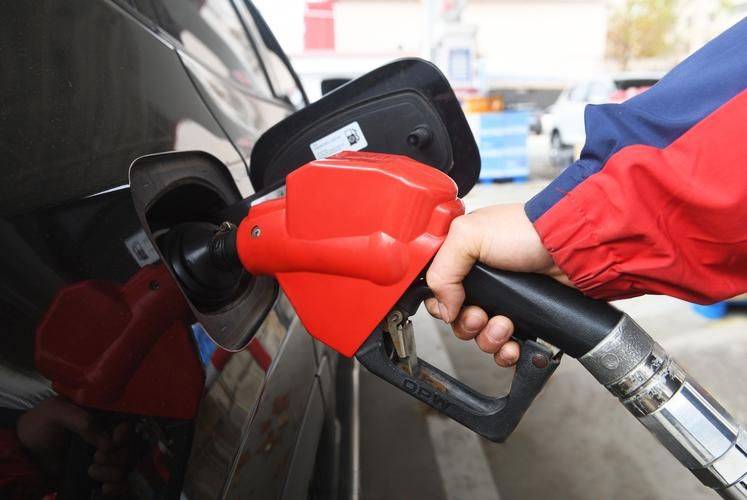
In addition to private car owners, a wide range of drivers can plan their trips rationally. Short-distance travel prioritizes electric cars, public transport, cycling, long-distance travel, self-driving, flexible matching, and double-saving daily travel costs。
The rapid change in the energy market and the fall and fall of oil prices have become normal, and this new downwards in oil prices has been officially finalized as a heavy and warm welcome for the drivers in the recent past. Taking advantage of the reduced window period for oil prices, a large number of car owners rationalize their fuel schedules, capture this low-price dividend and reduce daily vehicle costs easily. We will also continue to focus on the oil price dynamics, updating the next rotation price forecast at the first opportunity, allowing each owner to take advantage of the changes ahead of schedule and to save money and not spend money。