The foetal heart monitor may be used daily, subject to a decision based on the specific situation of the pregnant woman. Healthy pregnant women are not required to use them on a daily basis, while those with high-risk pregnancy factors can increase the frequency of monitoring under the supervision of a doctor. Telecardial monitors are used primarily to assess intrauterine conditions and overdependence may increase unnecessary psychological burdens。
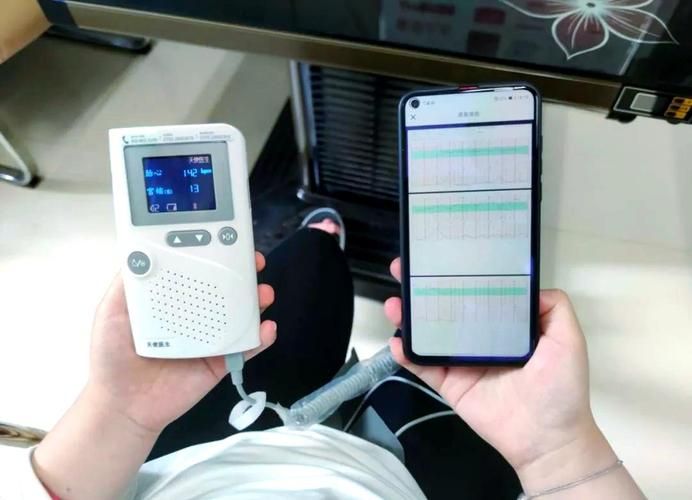
Pregnant women who have a normal pregnancy and have no complications are usually not required to use the tmr daily. Monitoring needs can be met through the medical use of the doppler or the foetal heart monitor in routine examinations, and excessive frequency of household monitoring may result in miscalculation due to operational errors. The world health organization (who) has recommended that pregnant women at low risk be given one to two per week of prenatal care from the 32nd week of pregnancy, a frequency that can be used at home. The selection of products certified for regular medical devices, the avoidance of the use of non-professional equipment such as mobile phones app, and the measurement of time is limited to 15-20 minutes, with a normal heart rate of 110-160 minutes being safe。
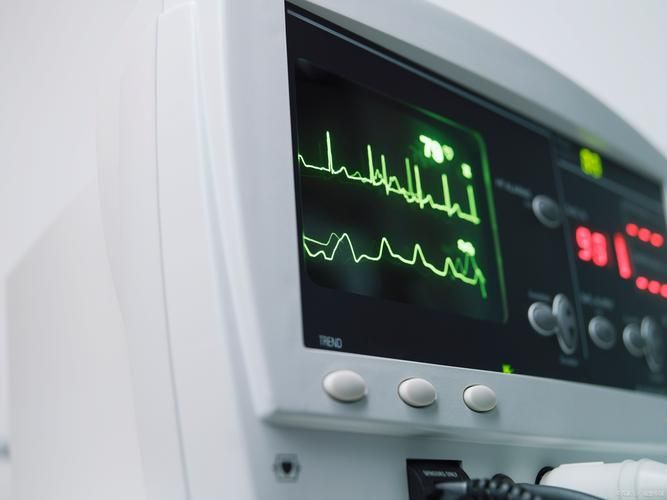
High-risk groups of pregnant women, such as high blood pressure during pregnancy, diabetes during pregnancy and limited foetal growth, need to be monitored more closely. Such cases should be subject to individualized monitoring programmes under the guidance of obstetricians, possibly in conjunction with the system of telecardial care. Early warning signs such as foetal abnormalities and vaginal bleeding can be temporarily increased. The frequency of use is usually higher for double-birth pregnancies or for those with a previous history of poor motherhood. Attention is drawn to the fact that household equipment is not a substitute for the care of the hospital's heart, and if it is found to be too rapid, too slow or less variable, it should be immediately referred to the hospital。
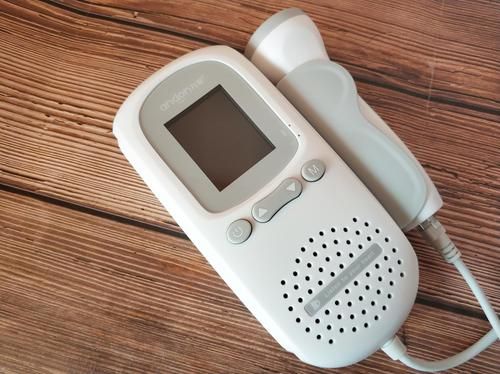
Pregnant women should maintain a balanced diet, with appropriate daily intake of high-quality proteins and fresh vegetable fruits, and avoid long periods of placing in bed affecting placental blood. The period during which the foetus is active is selected for monitoring, and the abdominal or intense motion is avoided prior to measurement. Staying calm, excessive anxiety may affect the condition of the foetus. It is recommended that each monitoring data be recorded for reference at the birth examination, and that communication be maintained with doctors to adjust the monitoring plan to be more scientific。