The rationale for bond price fluctuations
In essence, market price fluctuations in bonds, like equities, are affected by changing supply-demand relationships, mainly in the following three areas:
(1) market interest rate
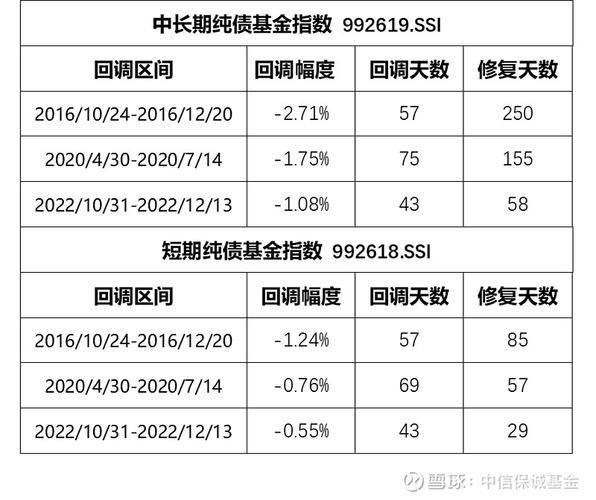
The most important bond is the mature rate of return (yeard to maturity). Assuming a sudden rise in market interest rates (e. G., a rise in government interest) following the purchase of bonds with a maturity rate of 1. 57 per cent, bond yields would have to rise (a fall in prices), otherwise they would not be sold. Such price declines will continue until the bond returns rise to market interest rates, as only then will supply and demand balance be achieved。
(2) length of time from due date

The length of the bond's distance from maturity may affect the extent to which bond prices are subject to fluctuations due to other factors. For example, the above-mentioned rise in market interest rates could cause bond prices to fall, but those that are short of maturity would fall smaller and those that are longer than maturity would be more affected. The principle is well explained: the closer the maturity date, the closer the price of the bond to the face value, the smaller the impact. If a bond matures tomorrow, today's interest rate changes have had little impact on prices。
(3) changes in issuer credit ratings

Another factor that can significantly affect bond prices is the change in the issuer's credit rating. The risk of bonds arises mainly from the risk of default by the issuer itself. The downgrading of credit ratings would require a higher rate of return to compensate for risk, while paper interest rates could not be changed and could only be achieved through higher rates of return (down prices). By the same token, if credit ratings rise, the rate of return on issued bonds falls (up prices)。