A few days ago, the são tomé international group announced that two special-medical infant formulations under the flag had been licensed for production. This is the second domestic dairy company to be licensed to produce special formula powder, following the approval of special powder production at the bein mei hang factory。
The two special formula formulas approved for this time in the sacrament are the premature/low birthweight infant formula for the special medical use of yoboan, and the hydrolytic formula for the special medical use of the baby formula for the special medical use of yobominga。
Special formula powders are designed specifically for infants suffering from special illnesses or medical conditions, and when they are consumed alone or in combination with other foods, their energy and nutrients meet their growth and development needs within six months。
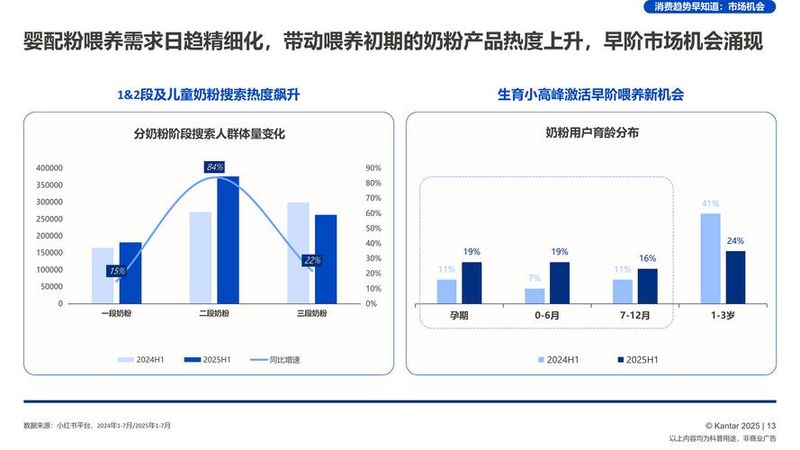
In the view of industry experts, the granting of permits for the production of bein and sanctuaries, respectively, means that the pace at which national dairy enterprises enter the special formula powder market is accelerating and that the special formula powder sector is expected to be a new growth point in the dairy market。
“as china's consumer health awareness grows, the immediate need for special formula powders for special populations will continue to be released; and technological barriers to enterprise development will be broken further. There is still much room for growth in the special formula powder market until the supply-demand nexus in the whole market has reached a critical point.” china’s food industry analyst, chu danbong, said。
According to estimates, the size of the special formula powder market is expected to reach 6 billion yuan by 2020 and 10 billion yuan by 2022. Since market prospects are high, why have domestic firms not entered this area before
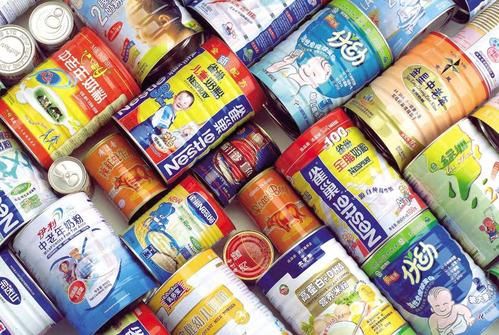
“special formula powder represents the technological level of an enterprise, which in the past was unable to produce, and which later, although productive, was subject to policy constraints.” senior dairy expert song liang analysed the “slower step” of domestic dairy companies in the area of special formula powders, mostly due to policy constraints。
Previously, the market for our special formula powder had not been liberalized. Even special formula powders, which are allowed into the domestic market, are largely available to enterprises with a medical background, with a relatively single product type, dominated by simple allergy products。
In march 2016, the introduction of the special medical use food formula register management scheme meant that special powder was fully in the age of registration management. “the previous lack of liberalization of special formula powders in the relevant sectors is due mainly to the fact that domestic enterprises are not sufficiently skilled in this area and the system of standards has yet to be improved. At the enterprise level, the development of special formula powders requires both real and silver inputs and relatively long research and development processes。
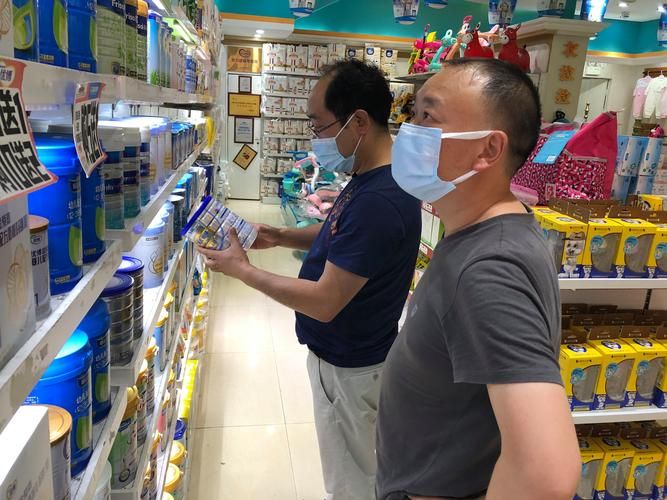
Song has indicated that, as the technological and production processes of dairy enterprises in the country continue to rise, especially with the implementation of the formula registration system, many dairy enterprises have seen market prospects in this area and are already working on research and development and layout. In the coming years, more indigenous dairy enterprises are expected to enter the special formula powder market. By that time, the variety of special formula powder products will become more diverse and competition among enterprises will increase。
Song liang noted that special formula powder is demanding for protein molecules and for nutritional equilibrium. Moreover, special formula powder is a high-māori product and will have a competitive market advantage only when it is developed。
Judambhorn suggested that the target consumer groups in the special formula powder area place greater emphasis on enterprise brands, hardware and scientific capabilities. For the time being, both indigenous and foreign enterprises remain generally on the same starting line. Foreign brands have the advantage of branding, but local firms have the advantage of services, operations, etc., and how to scale up their strengths and fill the gaps is key to local dairy companies' capture of special formula formula formula formulas。