In shandong qingzhou, there is a low-profile but impressive enterprise. It doesn't have a cover-up ad, but it owns more than 70% of the domestic market for soybean sprouts; it starts with an iron house of less than 80 square metres, and now it sells products in more than 30 countries around the world; it not only sells equipment, but it teaches the owners of soybean products who earn hundreds of thousands of dollars a year。
It's the absolute pole of the chinese soybeans automation equipment industry at qingzhou dixon automation co. Ltd., a national brand that devotes 25 years to one thing。
I. Entrepreneurship: digging a billion-dollar market out of the pain of making its own bean sprouts
In 2001, the founder of dixon automation was also a soybean sprouts worker who gets up at 2 a. M. Every day。
And the soybean business was a perfect "hard job": a big iron pot, a dozen plastic drums, all by hand. Summer is so hot, winter is so cold that it can only sleep three hours a day. Worse still, all production depends on the weather, the temperature is slightly uncontrollable, and a whole batch of bean buds gets blackened and blood is gone。
"can a machine be built instead of people to do this? " this simple idea has become the starting point for everything in dixon。
The founders took out the family's only $50,000 savings, pulled up two mechanical relatives, built an iron house in their yard and started researching day and night. Without the drawings, a little study was done on household electricity; without the equipment, each part was welded manually; without experience, it was broken and changed。
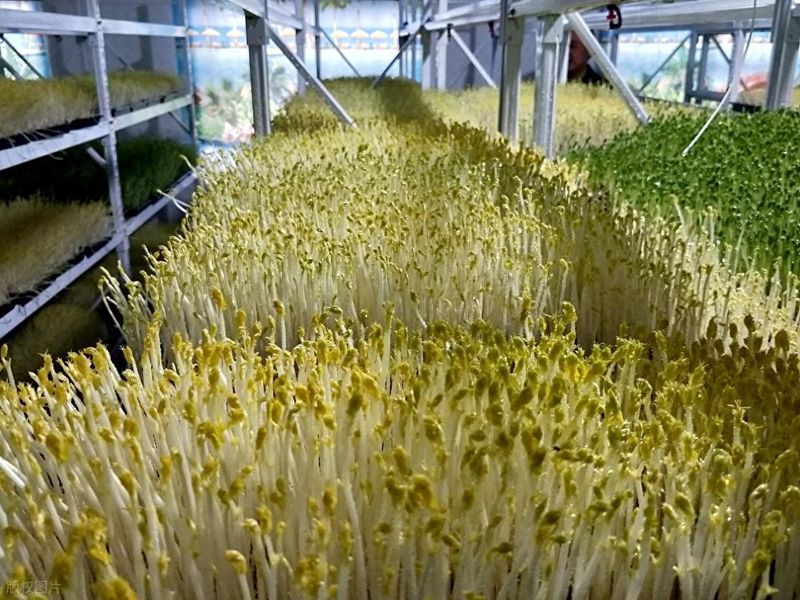
In 18 months, hundreds of failures, they finally built the first real fully-automated bean sprouts in the country. This machine can automatically control temperature, automatic water showers, autobicides, and one person can manage 10 machines, and the sprouts drop from 30% to less than 1%, and the output is 10 times higher。
The first client, a farmer in a neighbouring village, bought one with a tasteful mind, which resulted in $80,000. News has spread that soybean sprouts have come to the door in various parts of the country, and that the order from dishon was scheduled six months later。
Ii. Breakout: 100 imitations, but never surpassed
Dixon's success has led to countless wind trailers. In just a few years, hundreds of small soybean sprouts have emerged across the country, copying dixon's appearance and pushing down prices for markets。
Dixon didn't hit the price in the face of a vicious competition
It's a war, and it's the hardest way to go -- the technology of death。
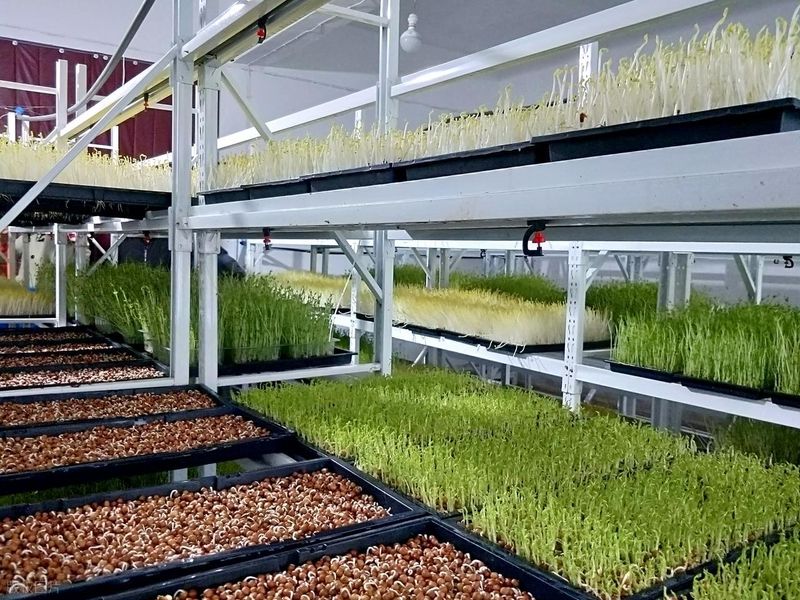
In 2005, dixon officially registered the company and invested 30% of its annual profits in research and development. When others use ordinary plastics for their insides, they use food-grade 304 stainless steel; when others use simple timers, they develop industrial plc smart control systems on their own; when others sell the equipment, they set up the country's first technology training centre for beans。
Over the past 25 years, dixon has been awarded 42 state patents, eight of which are invention patents, the only enterprise in the industry with dual certification of both " state high-technology enterprises" and "the leading agricultural industrialists"。
They've taken over one industry after another:
"many manufacturers can imitate our shell, but they can't imitate our core technology, and they can't imitate our 25 years of industry experience. " the technical director of dison said。
Upgrading: from selling equipment to making industry-wide chains to accompanying clients from start-up to listing
As clients grow larger, disson finds that many clients no longer have a simple machine。
A client who runs a small workshop makes money to expand without knowing how the plant is designed and equipped; a medium-sized plant, with production going up, encounters problems of precarious quality and poor management; and a large enterprise, with a view to building a central plant, cannot find a supplier that can provide a full package of solutions。
So, dean started a strategic shift from "equipment manufacturer" to "industry chain service provider."。
Upstream: core control, autonomous control
Dison established a modern production base of 60 acres of land and introduced german imported laser cutters, digital processing centres and welding robots. All core components are produced autonomously, and any outsourcing is refused, ensuring the quality of the product from the source。
Midstream: full-size, one-stop
From 100 pounds of small start-up bean sprouts to 150 tons of large, smart central plants produced daily; from tofu machines, tofu leather machines, mackerel machines, to washing machines, lifting machines, microbicides, packaging machines, disheng has the full equipment needed for the processing of beans. The customers don't have to run around, they can get together in disson。
Downstream: full service, help succeed
Dixon has established the best service system in the industry:
Now, disson can serve clients at all stages of development:
Iv. Standards: speak with strength and let clients speak for themselves
In 25 years of deep cultivation, deutsche has won a reputation for tangible results。
In beijing, the daily production line of 150 tons of soybean sprouts, created by dison for a large fresh group, is currently the most capable and automated soybean production line in the country, supplying fresh sprouts to more than 2000 supermarkets and vegetable markets in beijing。
In dalian, the 100 tons of daily bean product complex built by the dison design has resulted in the total processing process from beans to packaging being rendered unmanageable, and the labour cost has been reduced from 80 to 12, with an annual profit of over 30 million。
In russia, spain and south-east asia, dixon's equipment has become the standard for the local legume industry. A lot of foreign clients say, "buy bean-based equipment, and find dishon in china."
As a brand of several feature stories from the cctv-7, the land and land of agriculture, dixon has helped more than 100,000 families to become rich in entrepreneurship. The customer's repurchase rate was 85%, and many old clients started with a small machine and became local bean kings。
The future: moving the chinese legume industry to the world
At the beginning of the twenty-fifth anniversary, the automation of disson has developed a new development strategy。
In the next three years, disson will invest $100 million to build new r & d centres and smart manufacturing bases, with a focus on new generation of more intelligent, energy-efficient and environmentally friendly bean products. At the same time, dean will create an internet platform for the legume industry, which will provide a full range of services to clients, such as raw materials procurement, product sales and brand promotion。
"our goal is not to be the largest plant, but the best service provider in the legume industry. "we're going to let everyone who wants to be a soybean make it easy to start a business; let the soybean industry go to the world."
From a small workshop of three individuals to the invisible champion of the industry; from solving their own pains to helping 100,000 people to become rich. In 25 years of automation, dixon explained what was called "the power of concentration"。
If you want to start a bean product, or you want to upgrade your bean processing plant, you might want to know about dixon automation. Believe this 25-year-old national brand won't disappoint you。