People who have been refurbished understand one thing: water and electricity are the “lifeline” of the house, the materials are chosen correctly and live comfortably; the selection is poor, the water leaks, jumps, short roads continue, and it costs thousands or even tens of thousands of dollars to go back to work, making it even more difficult。
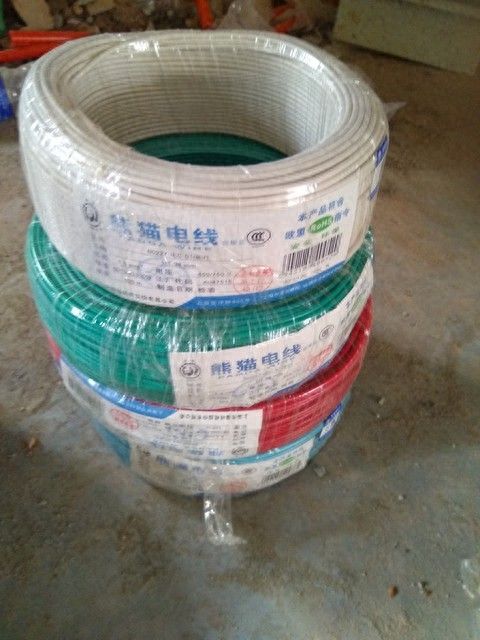
Too many people have stepped on the pit: some have managed to buy poor water pipes cheaply and have been living three years without a leaking water or a broken floor; others have failed to understand the specifications of the wire, and large-power appliances have jumped off the gates; and others have been fooled by the decorator, who has spent money on high-end materials and bought ordinary goods。
In fact, the selection of water and electricity materials is not as complex as it is, either in the blind pursuit of “most expensive” or in the cheapest of options. Today, in popular terms, the core elements of the selection and purchase of hydropower materials are presented in the context of real data and industry experience。
A good set of data is available first: according to a study conducted by the chinese national association of suits in 2025, water and electricity problems account for up to 42. 7 per cent of domestic suit complaints, more than 80 per cent of which are due to faulty selection of materials or poor quality; households that choose to use quality water and electricity materials have only a 3. 2 per cent rate of failure in the latter period and less than 1 per cent return. It is clear that the selection of hydropower materials is key to avoiding later problems。
First, avoid pits: these three types of “defeating material” are not bought cheaply
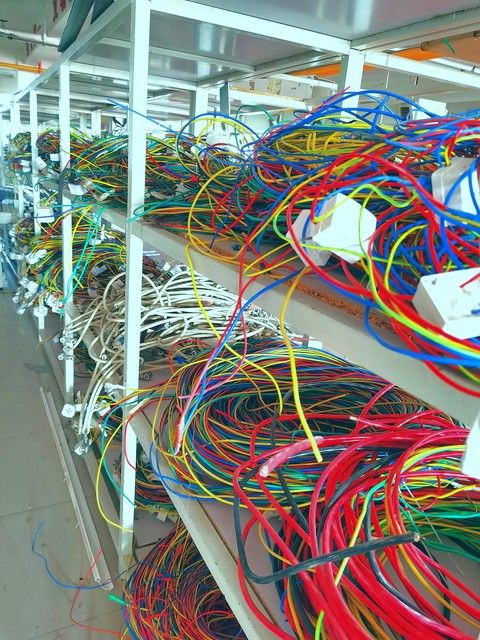
The water and electricity material market is mixed, many businesses fill it up, and newcomers are easily fooled. Bearing in mind that the following three categories of material, even at lower prices, are not in a position to do so, it would be necessary to return to work later。
Category i: wires without 3c authentication. The power lines are directly related to electricity security, and according to data from the 2024 gdg, about 18. 3 per cent of the bulk wires on the market are not certified by 3c. They are highly impurity, thin insulation, susceptible to ageing, short circuits and even to fire. Particular attention is drawn to the fact that “three-nil” wires sold at small roadside shops are about 30 per cent below the price of the regular product, but only one third of their useful life。
Category ii: derelict plumbing materials. The state has specified that the use of zinc plating and lead-containing pvc tubes, which are used for long periods of time, is prohibited by domestic provisioning pipes, which produce rust and produce bacteria, lead to excess metal content in water and endanger human health; lead pvc pipes release harmful substances and contaminate drinking water. It is important to be vigilant that some businesses, in order to attract low prices, sell and sell such banned pipes。
Category iii: poor-quality wire pipes and accessories. Many people focus only on pipe wires, neglecting pipes and fittings, and it is not clear that poor fittings can make better pipe wires “for nothing”. According to industry data, about 27 per cent of the water and electricity failures were caused by the cracking of wire pipes and water leaks. Poor-quality tubes are broken and insulated; poor-quality connections are not tightly sealed, and can easily seep, leak, and subsequent maintenance is extremely difficult。
Dry goods coming in: how to select the waterway material? Remember, "one by two and three."
Waterway materials consist mainly of pipes, pipes, valves, etc. The core requirement is “no leak, no contamination, no corrosion resistance” and preference is given to types that are more expensive, easy to install, and better maintained at a later stage, without blindly pursuing imports。
1. Plumbing: ppr, preferred, balancing value for money and practicality. At present, the use of ppr tubes in the domestic market is as high as 78. 5 per cent, as it is non-toxic, high-temperature, corrosive, has a useful life of more than 50 years and affordable and affordable for ordinary households. If the budget is sufficient, the pb or pe-rt tube may also be chosen for a higher temperature tolerance at a price of about 40 per cent higher than the ppr tube; the copper tube, though high-end, is installed in a complex and expensive manner and is not recommended for normal household clothing。
Acquisition techniques: first-line brands such as the great stars, the japanese, the golden bulls, which are subject to rigorous testing, the ppr tubes are equally thick and impurity-free, and are resistant to pressure (which can withstand 16 mpa pressures far beyond domestic water pressure); second-reading, high-quality pprs are of uniform colours, with no scratches, no bubbles, smooth walls, and are not susceptible to distortion with their hands; third-reading accessories, water pipes and pipes are subject to the same brand, avoiding incompatibility between different brands, leading to water leakage from interfaces - according to research, different brand parts are mixed and the probability of water leakage increases by more than 60 per cent。
Detailed reminders are that regular invoices and product qualifications must be required for purchases, to facilitate subsequent post-sales and quality traceability; water pipes also have a “conservation period” to purchase products produced within 1-2 years, as far as possible, and to avoid stockpiling products for many years, as the insulation layer becomes hard and hard over time; and wet areas such as kitchens, toilets, etc., are recommended for thicker ppr tubes to enhance resistance to pressure and corrosion。
The focus must be on the selection and purchase of electrical materials
Electro-materials are related to the safety of use of electricity, which, if chosen wrongly, may cause risks such as fire, electrocution, etc., and must be carefully selected, bearing in mind that “specifies are correct, of hard quality and clear routes”。
1. Wires: bv single core copper core line (hard line) preferred, with a domestic usage rate of up to 85 per cent because of its conductivity, heat dispersion and speed, its susceptibility to aging, and the ease of post-maintenance maintenance, which is suitable for covert wires. Speculation choices are detailed, not blindly selecting rough lines (wasted money) or fine lines (deficit): 2. 5 square lines for lighting circuits, with power up to 3,000 w; 4 square lines for high power appliances such as plugs, air conditioning, with power up to 5,000 w; and 6 square lines for use in areas such as kitchens, bathrooms, etc。
Supplementary data: the household loaded circuit safety report 2026 shows that the selection of copper core lines that meet specifications can reduce the incidence of short circuits and overloads by more than 90 per cent, while the replacement of 2. 5 square lines with 1. 5 square lines can lead to electrical heating and a seven-fold increase in short circuit risk. In addition, the wiring needs to be kept clear: the wires are red, yellow, and the line is blue, and the line must be yellow and green, to facilitate construction and subsequent overhaul and to avoid the risk of a fault line。
Wirelines and accessories: line pipe is the preferred flame retardant pvc tube, high temperature resistance, good insulation, all dark lines must enter the flame retardation pvc line protection, and the total tube catheter area shall not exceed 40% of the tube's inner diameter, ensuring the possibility of dissipation and later rewiring. Parts are to be branded as flame-retarding fittings with a bending angle greater than 90 degrees, avoiding over-duration, ensuring that the line is a “live line” and that they can be rotated in the future。
3. Switch plugs: priority is given to brand products with flame-retarded casings, leak-resistant electrical functions (e. G. Bulls, schneider, delisi), which, according to sample data, can have a useful life of more than 100,000 times compared to about 10,000 in poor-quality products, and are prone to poor exposure and electricity leakage. In kitchens and bathrooms, waterproof and waterproof plugins are selected to avoid short circuits caused by water vapours; children's rooms are advised to select booths with protective panels to prevent children from touching electrocution。
Balance of opinion: not blindly pursuing the "most expensive," but the best. Province
Many people are in the wrong zone when they do it: the more expensive the water and electricity materials are, the better, but not the better. Water and electricity materials are selected with the core being “qualified and fit”, and value for money is key。
For example, the ppr regulates the base of the first-line brand, which fully meets household use needs and does not have to pay high prices for imports - the price of the imported ppr tube is more than twice that of the domestic production line, but there are no significant differences in useful life and performance; the selection of wires for the national copper core that meet the 3c certification and specifications is much higher than the imported wire value and easier to sell。
In turn, poor materials cannot be selected to save money. According to data from the domestic assembly industry, the selection of low-quality water and electricity materials, with average annual maintenance costs of over $2,000 and potential safety risks, is more economical in the long run, while the selection of qualified medium-priced materials, while costing several hundred more in the previous period, is less expensive。
It is also important to remind you that the procurement of water and electricity materials should be done in person through the formal channels (large building materials market brand stores, officially authorized distributors, flagship shops of well-known electrician platforms), so as not to let the decorator buy them, and to prevent the teacher from taking the price of the difference, which, according to the survey, would involve about 35 per cent of the refurbishers, who would recommend poor materials and earn 20-30 per cent of the difference。
It's written at the end: water and electricity is not a small choice
Refurbishment of water and electricity is a covert project that, once completed, will be difficult and costly to repair later, so it is important to choose the material in a more deliberate manner and not be cheap, persecute or blind。
Summarize the core points: the water pipeline is the first ppr tube, which recognizes brand names, cross-checks specifications and requests for vouchers; the first bv single-core copper core line, with specifications and colours, and the switch plugs, which selects flame-resistant payments; the best option is not to buy three-nil products, not mix different brand parts, not to pursue imports and high prices blindly, and to match family needs and quality。
After all, it is the most cost-effective investment that we can make when we fix our houses, with peace of mind, with the right selection of water and electricity materials, so that we can truly “live 10 years without returning to work, without leaking water or jumping”。
Interactive topic: when your house was being renovated, did you buy the water and electricity materials yourself or did you buy them? Have you ever stepped on a pothole of hydropower selection? Welcome to the comment section to share your experiences and experiences and help the new guy escape