Interrupted deafness
Also known as sudden loss of hearing
Abbreviations “deepness”
It just happened in 72 hours
No reason
The loss of the sensory nerve hearing
And at least two frequencies next to each other
Hearing down 20 db
It's mostly clinical
One ear suddenly falls
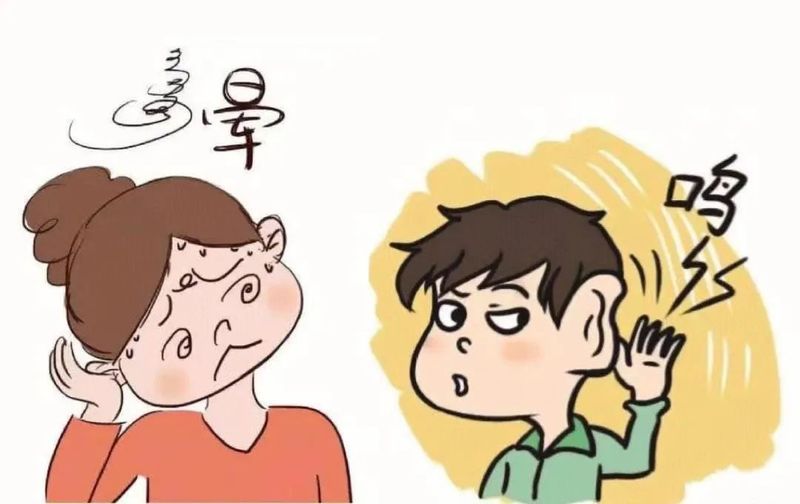
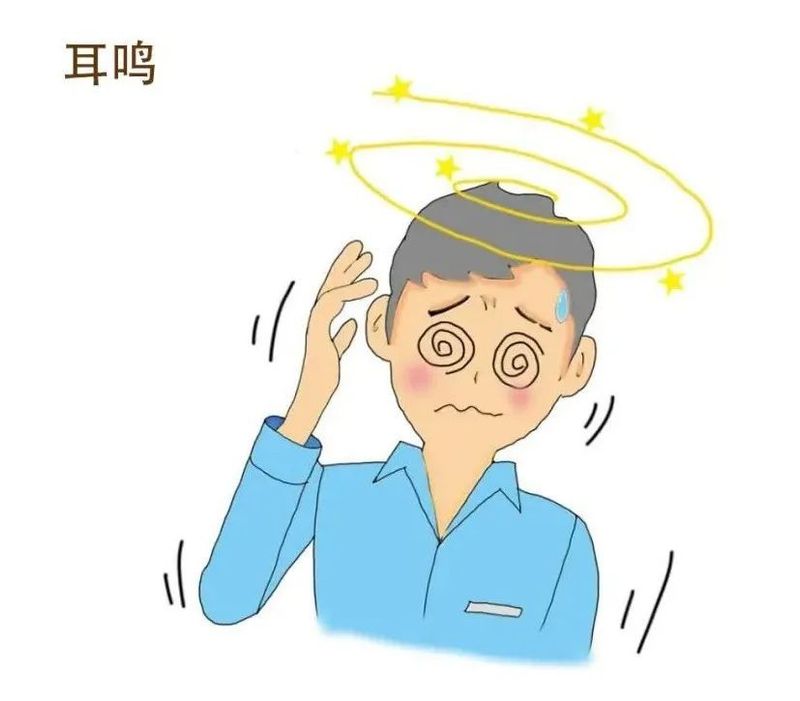
It's often accompanied by ringing and suffocating ears
And dizziness
The disease is common in ear, nose and throat
It's happening in the country
Rising and rejuvenation
Present guest

Zhongbashi community health services centre
What kind of sudden deafness is that
By frequency, it is divided into hf-reduced, low-frequency-reduced, flat-downgraded and fully deaf (with severe deafness)。
1. Low-frequency reduction type: 1000 hz (includes) loss of hearing at least 250, 500 hz ≥20 db。
2. Hf decline type: a decrease in the frequency hearing of 2000hz (includes) and above, with at least 4,000, 8,000hz hearing loss of 20 db。
Flat decrease: all frequency hearing has declined, 250-8000 hz (250, 500, 1,000, 2000, 3,000, 4,000, 8,000 hz) average listening threshold 80 db。
Total deafness: all frequencies are down, 250-8000 hz (250, 500, 1,000, 2,000, 3,000, 4,000, 8,000 hz) average listening threshold 81 db。
Note: the medium-frequency drop-down sudden deafness (which has a cut in the hearing curve of 1000hz) is rare in the country and is not currently divided separately (which can be included in the low-frequency drop). The process was monitored by specialized technicians and associated quarantine protection。
By degree of injury, it is divided into five levels, as shown in the table below:
Deafness
Specific performance
Light deafness
Difficulties in listening to whispers, average voice threshold < 40db
Medium deafness
It's hard to hear a normal conversation. The threshold is 41-55 db
Moderate deafness
You have to speak loud to hear
You're deaf
We need to speak loudly in our ears
Extreme deafness
I can't hear the sound in my ear

What are the manifestations of deaf persons and what needs to be improved
Clinical performance:
The sudden loss of hearing
Ears ringing (approximately 90 per cent)
(b) ear suffocation (about 50 per cent)
4. Stizziness or dizziness (approximately 30%)
5. Allergies or deafness
6. Anomalous sense of ear and ear (all deaf persons are common)
Some patients suffer from psychosomatic symptoms, such as anxiety, sleep disorders, which affect the quality of life。
Relevant inspections (selected on a case-by-case basis):
1 ear examination: includes ear skin, lymph nodes, external ear tracts and drumms. Attention is paid to herpes, bruises and rashes on the skin of her ears and ears。
2 sound fork test。
3 pure acoustic hearing: composed of 250, 500, 1000, 2,000, 3,000, 4,000 and 8,000 hz barometers。
4 acoustic control: includes drumming and contours and acoustic reflections on the side。
5 other auditory examinations: e. G., ear firing, hearing brain stem reaction (br)。
In case of dizziness, spontaneous eye shocks should be performed and pre-court and balancing functional checks should be selected according to the circumstances。
Laboratory examinations: blood routines, blood biochemicals (blood sugars, blood resins, carvings of the same kind, etc.), coagulation functions (fibre proteins, etc.), c-reaction proteins, etc。
8 visual examinations: brain or inner earmri containing internal hearing, with the exception of hearing neural tumors, etc。
What should deafness be identified with
Interrupted deafness involves, first, the elimination of serious diseases such as brain, nasal, and hearing neuromas, and secondly, the exclusion of endemic or systemic diseases such as menier's disease, various types of ear disease, viral infections such as mumps, earband herpes (hunt syndrome), etc。
Both sides of the epidemic of deafness take into account whole-body factors, such as immuno-disease (self-immuno-encephalic ear disease, etc.), endocrine disease (hysteria decomposition, etc.), nervous system diseases (i. E., intracirculatory pathologies, etc.), infectious diseases (e. G., meningitis), diseases of the blood system (red cell amplification, leukaemia, etc.), genetic diseases (e. G., pre-court hydrosis), trauma, drug poisoning, noise deafness, etc。
For example:
• repeated rotational dizziness, which increases at the turn of the head and is reduced at closed-eye sleep for periods ranging from 20 minutes to several hours。
• a decline in volatile hearing and an increase in the duration of the onset, with the degree of deterioration associated with an increase in the number of cases. Early loss of low-frequency sensory nervous hearing。
• appearance period companions may sound and suffocate。
Frequent low-frequency sensory nervous hearing loss, not accompanied by dizziness, may also be considered。
Diagnosis can be facilitated through glycerine experiments, front-court functions, and cysts。
How do chinese doctors know deaf people
Deafness falls within the category of “absolute deafness” among chinese doctors, the first of its kind to name “abstem deafness” as a disease, and the pu chi fong has a separate section on “black deafness”. Old-age doctors have a far-reaching and varied understanding of deafness, combining the various myths, and chinese doctors have used false testimony, which can lead to hearing impairments due to various other factors that cloud the knowledge, and loss of hearing due to lack of blood. These include: kidney loss, liver fire disturbance, excursion, hysteria, haematosis, haematological haemorrhage, etc。
In addition, the treatment of the disease by chinese doctors is mainly based on chinese medicine and acupuncture, supported by treatments such as pedestal massage, ear scratching and chinese medicine. Based on the differences in the patient's pathology, the chinese medicine is often used to supplement kidneys, detoxification, aerobics, abdominal fretilation, salinization, and oral treatment of ablution. For example, nephrophrenia-depreciated depravity can be oralized with six-spiced yellowballs, and liver-disturbed deaf with oral larvae. The acupuncture is often dominated by needles, electric needles and acupuncture. Different types of patients can also be treated according to different treatments such as earplugs, cave injections and cave paste。
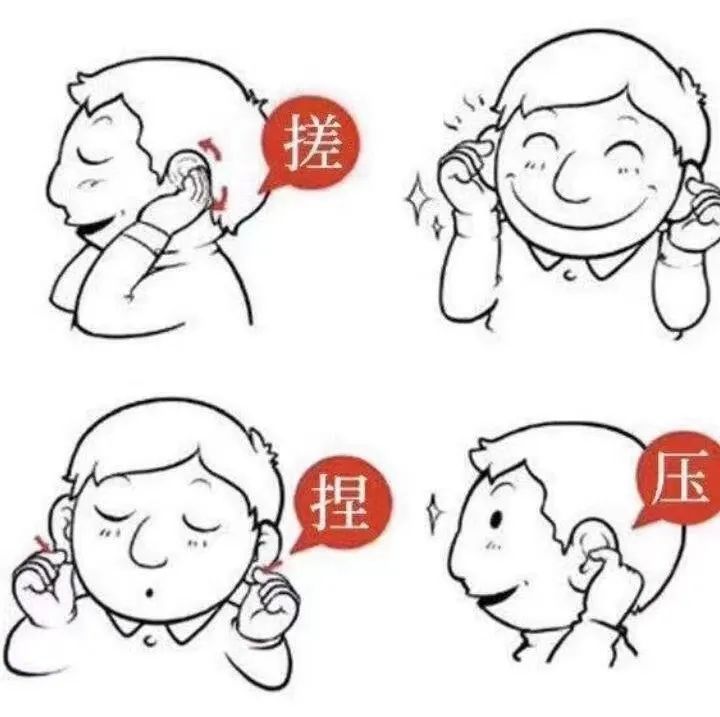
Simple ear care
(1) twilight drums: re-breathing, placing hands close to the mouth of two ears, temporarily closing the mouth of the outer ear, placing two fingers on the pillow, folding the index finger over the middle finger, slipping the index finger from the middle finger and gently placing it on the back of the head. Twenty-four prostrations of the right hand and twenty-eight simultaneous prostrations of the right hand
(2) camp for the city: two hands on the ear wheel and one rubbing for 15 minutes each
(3) drum massage: presses the ear screen with an index finger (or middle finger) and then press the ear screen, pressing 20-30 strokes each, evenly, with a right-to-left rotation or at the same time
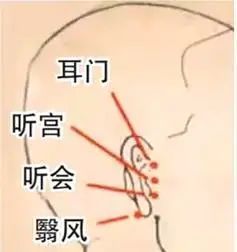
(4) cave massage: the medium finger is placed in front of the ear, the index finger is placed behind the ear, both fingers are pushed up and down, pushing 40 to 50 times, and can be pressed to the ear door, the hearing room, the hearing room, the wind hole (see figure below)
Can you stop deafness
How do we operate
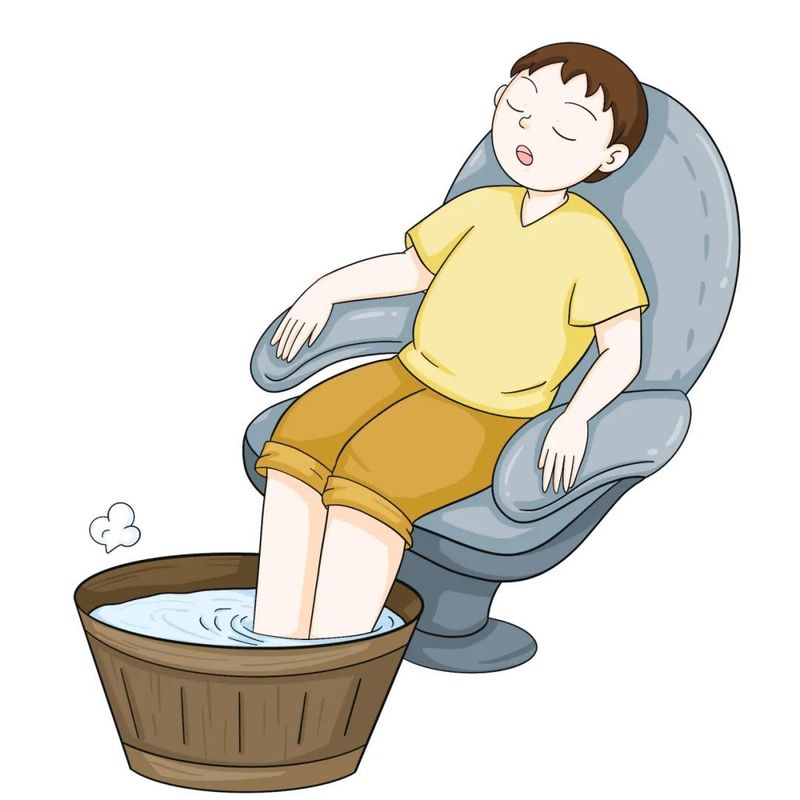
It has more than 300 caves and 67 reflections, a microcosm of the human body. Irritation through showers and foot massages can improve the circulation of the whole body, regulate the functioning of organs, improve pathological changes resulting from internal organs, increase the body's self-defense and immunity, and also improve the dizziness and quality of sleep caused by lack of blood。
Methodology:
1. The chinese pharmacological soup is placed in a wooden foot tub
2. Adding a warm water of 3,000 ml to ensure that the medicine is not beyond the ankle of the patient
Baptism temperature: 38-45 °c and diabetic < 40 °c
4. Bubble washing: 30 minutes。
The chinese pediatric bath is based on the technique of active haematosis, with the following medications:
As 15g, red flower 6g, stretcher 15g, red grass 12g, lasagna 15g, yellow grass 30g, kawakawa 9g, chicken blood vine 15g and cuisine 6g。
Usage: a one-day bath