Editor: when you enter a question in google, ask questions, google used to provide a series of blue links that lead you to a recommended website to get answers. And now? If there is a clear answer to the question, google provides the answer directly; or it offers options. According to casey winters, google continues to raise the status of a “polymer” in order to cater to users, given the limited time available for users to enter the age of mobility. Some businesses rely on seo for their access to google and now have to change their strategy。
Some people who use seo success to help businesses develop rapidly (e. G. Partners. Com, grubhub, pinterest, they use this channel to get new users) often ask me questions about seo, which has become a strategy today. Andrew chen explained in “the law of shitty crickthroughs” (the pattern of bad hits) that any user access channels have a quality period, and their effectiveness will diminish over time. Of the major internet channels, seo is considered to have the longest shelf life. It is a stable platform (not like facebook), and seo itself is growing continuously, supporting a strong business model that has pushed google to grow for more than 10 years, which is why google allocates free flows to other companies, but there is no need to monetize all free flows. It might be better for us to explain that, because organic searches provide services based on the needs of users rather than on the needs of advertisers, such access will be more sustainable and, at the time of construction, its objective would not have been to become channels. Nobody likes ads, nobody wants more mail. Within google's organic search platform, all users want is answers。
Is that still true when the platform moves towards movement? From the point of view of user access, the position of seo as a channel is bound to decline. Ben thompson discussed it in his article a few years ago, saying google would touch the top. Why is he wrong? To understand, we have to study google's strategy. Help users optimize search, which is the engine of google search engines. Ben thompson did explain how google and publishers acted. If you've analyzed users over the past few years, like google, you've seen some changes. The most obvious change is that most users turn to the mobile end, with limited time and slower connections on mobile devices, and app may replace frequent queries。
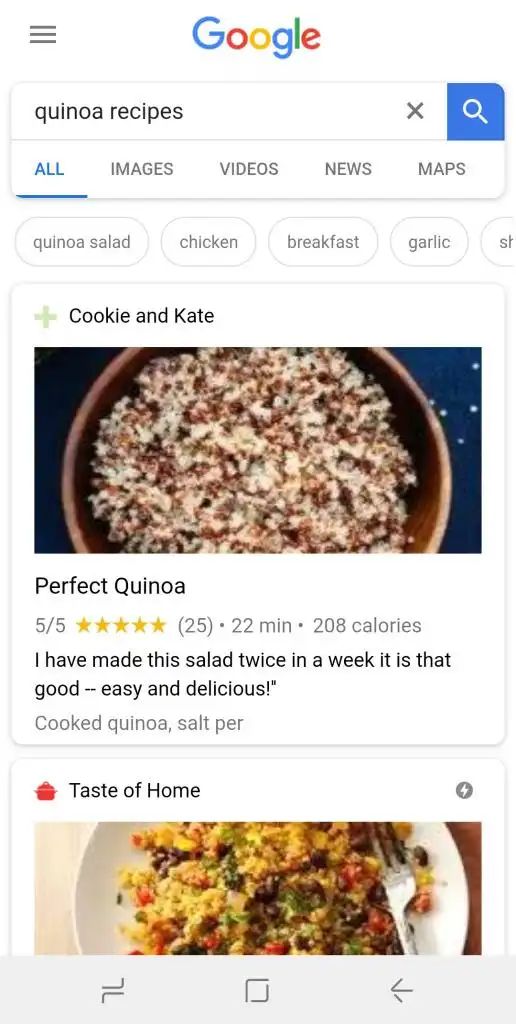
Google found that users were no longer willing to click on 10 blue links, that they had less time and less bandwidth, and that a lot of apps came out to compete for queries. Users want answers, and they want answers quickly. All google has to do is give the user the answer. If you ask a question in google search and have a clear answer, google will most likely give you only one answer, not recommend a website that provides answers. We have witnessed that change. What if there's no answer? It provides options, or so-called “discovery experience”. The recipe may be a good example. You might have seen a bunch of web pages before, maybe 21 best recipes on x, now? The result is the recipe itself。
Some may think that the current search pattern is very similar to the original google strategy (providing 10 blue links). However, google is well aware that users do not want to beat back and forth across multiple websites, looking in turn at the recommended results of each site. They want google to show the options directly, and now google does. If you look at the categories that users frequently search for, you find google replacing links with answers or options and showing them directly in the search。
Previously, google's goal was to build a “polymer”, to put it at the top, with the most options available, and now google wants it to be the only “polymer”. On chome, google wants to increase the speed of the page loading, and it wants to block the failed ads, and google applies the same policy to polymers, which work well on organic search platforms. How does google achieve its goals through algorithms? Over the past few years, google has added two new algorithms that are carefully implemented, one relating to “internal search” and one to “doorway pages”。
Note: doorway pages, known as "door/bridge pages", are web pages designed solely to obtain a search ranking for a particular keyword. These pages generally do not appear in the navigation of the website, but are used to direct visitors to more in-depth access to other pages of the website. The content of these pages is very low, but there is a link at the bottom of the pages that guides visitors to the real, substantive part of the site. The search engine is sick of this。
Turning first to the “internal search” policy, google explains this:
“do not let the content search result page be captured by google. If you click the search engine results and enter another search result page on your website, the user will be unhappy.”
Then there's the "doorpage" policy, which google explains:
“we strongly believe that simply setting up a front for the search engine would only harm the user search experience.”
It doesn't sound unreasonable. Keep reading, you'll see the problem:
– is that what you're trying to do, to optimize the search engine, to direct the users to the real practical parts of the site or the related parts? Or is it an essential part of the web experience
– are these pages copies of practical aggregate information (e. G., location, product, etc.), which already exists on the website and your goal is to get more search traffic
– do these pages exist like the "on-island"? Is it hard or impossible to navigate from the rest of the site to these pages? In the web site or network, the main reason for creating links to these pages from other pages is to attract search engines
In combination, google is no doubt telling you: it's a bad habit to make index pages for your search results that only hurt the experience and make new pages to attract search engine visitors to replicate your search experience. If you show the contents of the inventory to the user, the two above-mentioned rules impose penalties. How does google judge if these pages are made simply to attract search engines? The way to judge is like to judge malicious advertising: the use of chrome browser data to identify。
So how do we get content in google's polymer? It's simple, google tells you how to do it: give me what you're talking about, i'm going to aggregate it, or i'm going to give you a restricted space, where there's no internal search pages or a door page. This means making pages that are not searchable with unique inventory content, attracting traffic from sources other than google. Google opens a window for you, but it's very small。
In order to adapt to policy adjustments, google upgrade algorithms have found ways to develop a variety of polymers, which will be further disaggregated over the next 10 years. In order to achieve the goal, google may develop itself, acquire or cooperate with players that already exist。
Let us give some examples:
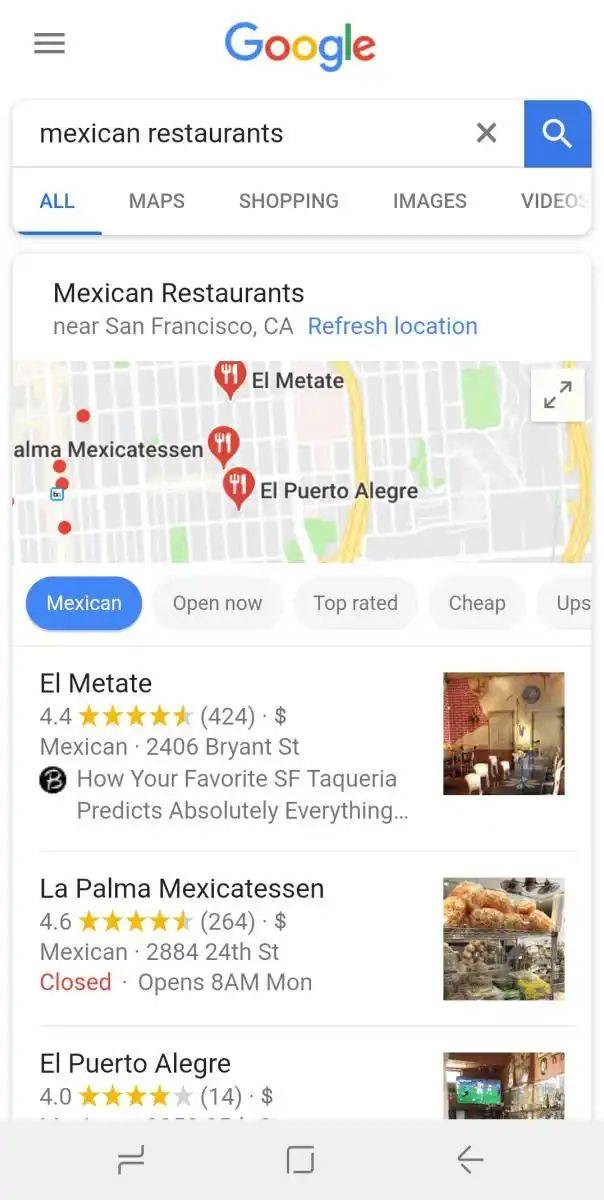
Examples of self-developed: googlelocal
Google has tried to acquire yelp, connect with local businesses and create lists. However, yelp refused, and google developed googlelocal on the basis of google maps and google searches, and has now reached out to thousands of businesses to help them manage information directly related to google. If you have the market-driven search products and map products, it is not difficult to develop such services. When you search for local issues, you don't see advertisements, you see google local at the top of the search results。
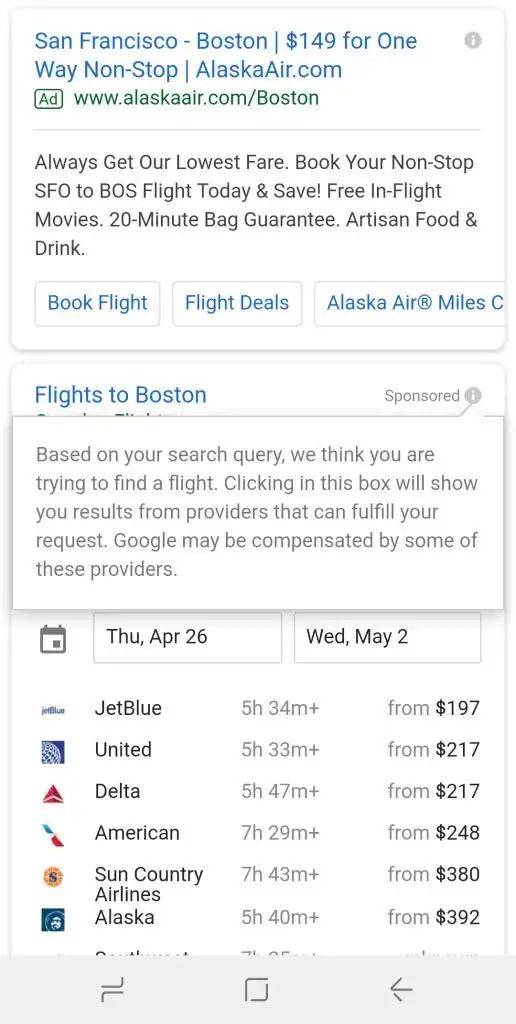
Examples of acquisitions: google flights
In july 2010, google acquired ita software to restrict many tourism internet businesses. Ita provides flight search, price information for many large network tourism agents. Now we can get this information directly from google, free of charge. Google is working to monetize information, and over time it will move from a pay-and-pay mode to a trade model。
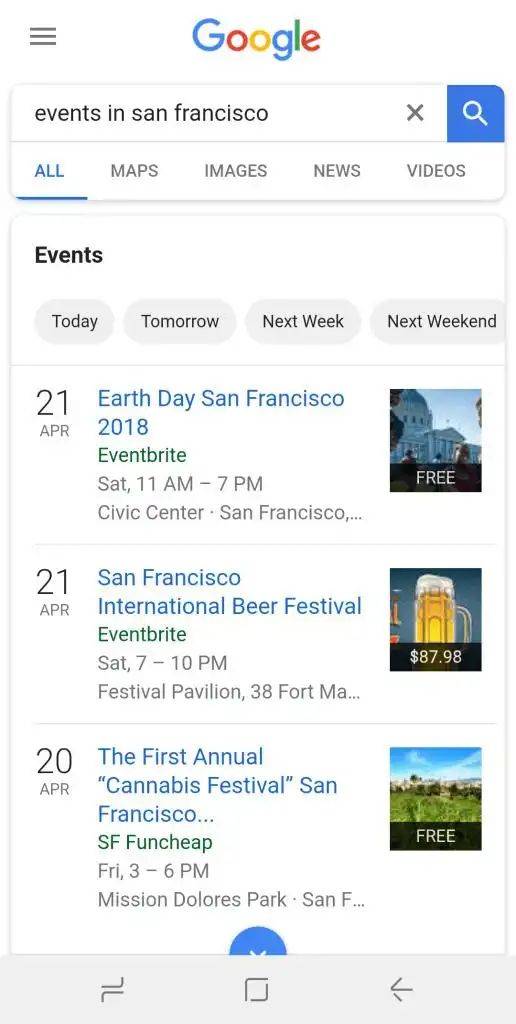
Examples of cooperation: google events
At the end of last year, google set up a special area, which is the equivalent of a conglomerate of events from third parties, such as eventbrite. The third party provided the content to google, which itself sequenced the events. Such content cannot be collected on its own. Google seeks cooperation if the market meets the following conditions:
- there are no dominant players in the market。
• the supply is fragmented and data is not structured。
— many enterprises are willing to participate and contribute to the discovery experience。
— for the moment, this area is not a priority in google's search for revenue。
What if you get affected
If you do the same thing, google is entering your territory, it will completely change your seo strategy. If you create or optimize pages that aggregate content for popular issues, google reduces the weight of those pages and replaces them with its own polymer. What do we do? The best way to do this is to change the strategy — the distribution strategy for individual lists — so that you can take a higher position and take a competitive advantage in google's new discovery experience. Generally, these pages need to support the amp format, which is fundamental to all new discovery experiences within google searches。
Many enterprises may not be willing to abandon their previous strategies, and they may think that google wants to build its own polymers (more attractive and competitive) and that if it slows down its pace and weakens its capacity, it can retain its current position. This will not help. You're developing a polymer, and as long as there's a rival, one of them has the possibility of working with google and taking a share. If you are in a monopolistic position and you don't cooperate, google will create an opponent for you, it will threaten your monopolistic position, your flow will collapse, it will soon threaten your monopolistic position, and google can devote many resources to competing products for years. We have seen it in google local's war with yelp. Some of the businesses that used to be under google pressure were successful, and they received loyal clients because of the high cost of conversion, such as the amazon prime service, when google used google shoping to crush its rivals。
However, google's strategy has changed, and it will take many years to infiltrate every popular search query category. You can't blame google for this change because it's a favor to users. Now we must clearly understand google's strategy and be prepared to respond. In the past, you could rely on google for free and stable hospitality, without much effort. Now that you're different, you're going to think about the way business is going, and you're going to think about whether your content attracts google visitors, the opportunities are getting smaller and the opportunities are being maximized. That's something to think about。