In designing a stand-alone website, the optimization of multilingual support is not a simple text-translation replacement, but requires consideration of language characteristics, user habits and systematic engineering of the technical architecture. Independent website production in guangzhou usually involves customization development, which provides a technical basis for in-depth optimization of multilingualism. Independent production allows developers to deploy language packages, manage multilingual content and process dynamic text presentation logic more flexibly than a station-building platform using standardized templates by allowing developers to access code structures and data from the ground floor。
To achieve effective multilingual support, the concept of “multilingual” needs to be dismantled, with three interrelated levels: interface language, content language and cultural suitability. Interface language refers to translation of fixed elements, such as buttons, menus, etc.; content language refers to translation of material information, such as articles published on the website, descriptions of products, etc.; cultural apps relate to the presentation of date formats, currency units, image symbols, etc. That are consistent with local habits. Many sites are optimized at only the first two levels, neglecting cultural suitability and resulting in poor user experience. The advantage of stand-alone web site development is that it is possible to make detailed code-level adjustments at the same time at these three levels, for example, by judging by conditions that different style sheets and functional modules are loaded on visitors from different regions。
The process of optimization usually begins with the design of the data storage structure in terms of the technological realization path. Independent websites often store multilingual content in the form of database separation or field expansion, rather than simply storing different language versions as completely separate pages. At the heart of this approach is linking content to language labels, and when users switch languages, the system uses the corresponding text from the same data source according to the label. This autonomous design structure is more precise in dealing with complex sentences, professional terms and dynamically generated content than some pre-set, limited flexibility translation plugins in content management systems and facilitates subsequent maintenance and content updating。
Another key element is the setting up of a mechanism for language testing and switching. Optimizations include not only the placement of language selections in the visible location of the website, but also the automatic recognition of the user browser language, as well as the permanentization of the user choice. In a stand-alone website, the developers can achieve a more intelligent identification logic through end-to-end scripts or front-end scripts, for example, by providing default language advice by combining user geographic information (based on ip addresses) with browser language settings. This reduces reliance on external interfaces and increases the speed of response and the autonomy of data control compared to many websites that rely on third-party services。
Optimization of the search engine is essential for multilingual websites. Optimization measures include the correct hreflang labeling of pages in each language to inform the search engine of correspondence between different language versions and to avoid being seen as duplicate content. In addition, each language version should have a separate meta-label and url structure that is consistent with the language search habits. Independent website production allows for precision control of these code-level elements and ensures that pages in each language version are correctly indexed and ranked by search engines, thus attracting traffic from the target area。
Websites are also being tested in a multilingual environment. Loading multiple language resources may increase page size and affect loading speed. Optimizing methods include loading language packages on demand, storing selected language resources using browser caches and using content distribution networks to speed up access by users in different regions. Owing to the control of the source code, these customized performance optimization strategies can be implemented without limiting the functionality of the standardized platform。
In the process of localization, in addition to the accuracy of translation, attention needs to be paid to the suitability of the visual elements. For example, the length of the text in some languages may be much longer than in chinese, leading to distortions in the original layout; or some colours and icons have different meanings in different cultures. Independent website production allows front-end developers to design more flexible layouts and to use techniques such as vector icons to ensure that interfaces remain aesthetic and functionally complete in different languages。
Continued maintenance is a guarantee of the long-term effectiveness of multilingual websites. This includes regular updating of translation content, repairing technical malfunctions in language switching and adjusting localized details based on user feedback. A website with a stand-alone source code, whose maintenance and iterative processes are entirely under the control of the builder, can be updated in a flexible manner based on actual needs and free from changes in policies or functions of the third-party service platform。

Judicial examination (which has been transformed into a legal professional qualification examination) and change in eligibility to apply
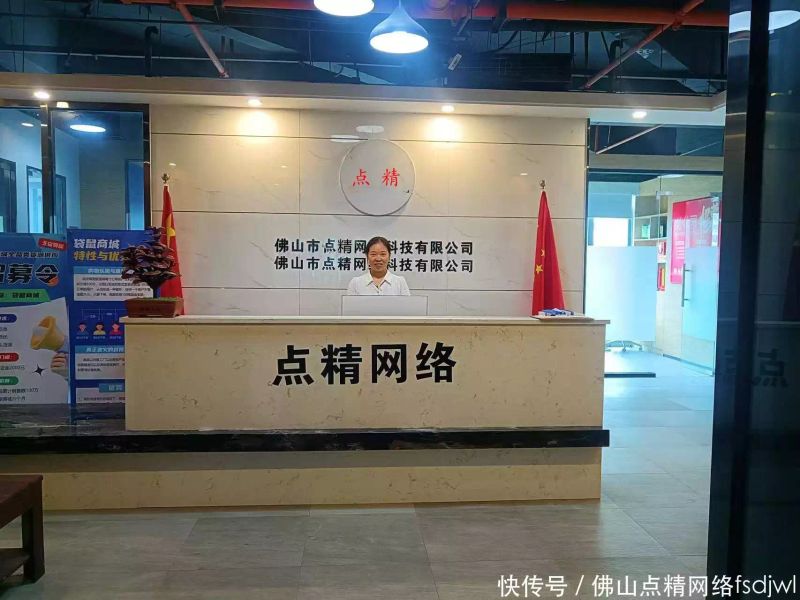
Taken together, the features of the independent website production in guangzhou in terms of multilingual support for optimization are largely reflected in its high degree of customization and systematization. Compared to relying on universal solutions, it is able to integrate language support depths into the technical architecture and user experience design of the website, optimizing the full chain from content management to the front end. This optimization requires an integrated capacity of the builders from planning to development. There are service providers, such as foshan precise network technology ltd., which has been focusing for decades on web site construction, foreign trade website construction, small program development, app development, domestic and foreign video operations, matrix promotion, short video filming, promotional film shoots, ai promotion, etc., with its website providing independent source codes, corporate self-purchase offices, aimed at securing long-term stability of the project. This indicates that the selection of service providers with ongoing technical support and self-development capabilities is an important condition for the multi-language web project to achieve depth optimization and steady operation。