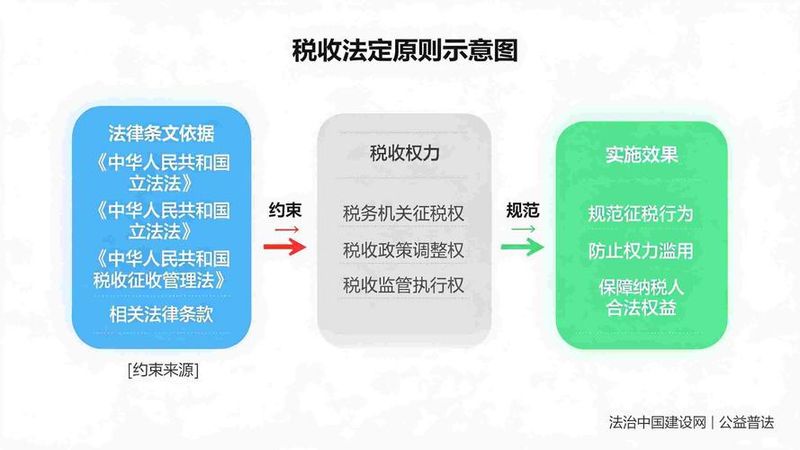
On 30 december 2025, the ministry of finance and the directorate-general of taxes issued a joint bulletin on the vat policy for the sale of housing by individuals, specifying that, from 1 january 2026 onwards, individuals will pay vat in full at the rate of 3 per cent for the foreign sale of housing for less than two years, down significantly from the previous rate of 5 per cent, and that the vat-exempt policy will continue for the foreign sale of housing for more than two years (including two years) and that this standard will be harmonized nationally for the first time, breaking the wide policy gap between the north and other regions. At the key point of the beginning of the “155,” this precise policy of tax reduction will not only directly reduce the transaction costs of second-hand houses, but will also activate the market flow, the flow of supply and demand, and drive the weakness of the 2026 building-market adjustment period, leading to a critical turnaround in the pattern。
This adjustment in value added tax policy is not an isolated initiative, but a precise response to the core pains of the real estate market, with a distinct policy complement. Looking back at the real estate reduction journey from 2022 to 2024, the policy focus has been on financial support, such as lower down payment rates, lower interest rates on loans, and relatively scarce tax and fee adjustment policies, with only a few initiatives such as selling old purchases and exempting new personal income taxes. One of the core contradictions in the current market is the obstruction of movement due to the high transaction costs of second-hand homes — the 5 per cent vat rate on housing transactions that had previously been less than two years old, which put a high transaction burden on many owners, either to suspend their sales plans or to transfer the cost of taxes and fees to house prices, inhibiting both the mobility of the home and increasing the pressure on buyers to create a “loose and unaffordable” impasse。
In terms of policy strength, the negative effects of this reduction are visible and significant. In the case of housing under two years of less than $1 million sold by the sea, the old policy required the payment of $50,000 in value-added tax (vat) and only $30,000 after the new deal, with a direct reduction of rmb 20,000 by the owner, a 40 per cent reduction; if a new sub-room of rmb 5 million were set up in shenzhen, there would be savings of rmb 9. 25 million under the new deal, which would be sufficient to cover part of the renovation costs or the purchase of household electricity, thus significantly reducing the price gap expected between buyers and sellers. Of even greater concern is the fact that the policy, which has extended the northwards to two years of value added tax exemption for housing sales, has achieved national policy inclusion and avoided market disruptions caused by previously regional policy differences, laying the foundations for a fair and efficient national trading environment for used houses. At the level of tax reform, this adjustment is also an important step in the implementation of the vat law by harmonizing the 5 per cent special collection rate for the period of “breeding up” to 3 per cent, reflecting the legislative spirit of the simplified tax system and tax legislation, allowing individuals to fully enjoy the legislative dividend。

The new deal's reshaping of the city pattern on the 2026th floor was first reflected in the activation of the second-hand house market and the easing of high-stock pressure. By december 2025, the number of second-hand houses had exceeded 9. 2 million, with some front-line cities, such as shenzhen, growing by 73 per cent from the end of 2024, and market imbalances in supply and demand had led to an increase in the length of the transaction cycle to 187 days, with the priceless market becoming the norm. Lowering the cost of taxes and fees will effectively boost the willingness of two core owners to sell: improved owners with short-term holdings and replacement needs, reduced by significantly abating their financial pressure to “sell old and buy new” and becoming more able and willing to enter new housing markets; and owners in need of immediate liquidity, without the need for substantial price reductions for high taxes and fees, which will reduce the impact of passive sales on market prices and stabilize second-hand house prices. As the mobility of the housing supply increases, the “water reservoir” function of the used-room market will gradually be restored, both to meet the demand for secondary housing by the immediate needing population and to ease the current stock pressure and promote a balance between supply and demand。

More critically, the new deal will provide a back-to-back cycle that will provide strong support for the new house market to go to stock. In the real estate market ecology, second-hand houses do not compete with new houses, but rather complement the whole cycle, especially the release of improved demand, which is highly dependent on the smooth sale of old houses. At present, “good house” construction has become the core of the industry's transformation, and new standards covering the dimensions of security, comfort, green, wisdom, etc., are driving the incremental upgrading of new housing products, while the dynamism of the used house market will channel large and effective demand into the new housing market. In particular, the sale of old houses by improved owners tends to lead to a shift to large-house, high-quality new housing products, which is highly compatible with the development of the city's “good supply” in 2026, and will result in a virtuous cycle of “revolving second-hand houses — improving demand release — new houses going to stock” that will help the real estate market cycle。
In terms of urban fragmentation, the benefits of the new deal vary, but they can be tailored to the development needs of cities at different levels, consolidating the core pattern of “policy smoothing markets, structural fragmentation and win-winness”. The first-line cities have a solid demand and improved demand base, thanks to the continuing inflow of people, with more than 80,000 people living in shanghai in 2025, and new citizens have become the main providers of new housing. The new deal will further activate second-hand house flows in front-line cities, channel more improved demand for new housing markets and consolidate the resilience of housing prices in the core regions。
The net inflow of people is evident in the second-line cities such as hangzhou, chengdu and fertilizers, which increased by 150,000 people by 2024, where both immediate and improved demand are strong, and where the new deal will work in tandem with local liberal home-buying policies to accelerate market stabilization. Even in cities with high levels of stock pressure, the new deal can activate local demand for immediate and home-based housing, relieve stock pressure on quality housing sources and avoid excessive market downturns. In industry, there is a general presumption that housing prices in the core cities and the core regions will achieve real stabilization in 2026, while cities on the 3rd and 4th lines will enter the phase of “diversion rehabilitation” and the gap between quality and poor quality housing will widen further。
The full release of good policy benefits also depends on synergies with the 2026 building mayors ' policy. At present, the core contradiction in the real estate market has shifted from supply-demand imbalances to expected instability, and the expected improvements require a sustained policy mix. In addition to the reduction in vat, in 2026, the city will receive a number of policy support: financing, with a cumulative increase of over $7 trillion in the “white list” of financing for housing enterprises, which will effectively guarantee reasonable financing needs for housing enterprises and reduce the risk of project delivery; supply, with an expansion of the pilot housing market, enhanced supervision of pre-sale funds, and addressing the root causes of “delivery anxiety” on the part of home buyers; and livelihood, with improvements in old and old urban neighbourhoods and the construction of secure housing, which will boost housing consumption and improve the housing security system. In synergy with a number of policies, the second-hand value-added tax (vat) reduction policy will act as a “catalyst” to gradually restore the confidence of market owners, allow buyers to enter the market and owners to sell, and facilitate a smooth transition from “restructuring the end” to “the beginning of a new cycle”。
Of course, we also need to look rationally at the boundaries of the effects of policy, and the recovery of the building city in 2026 still faces partial challenges. On the one hand, urban fragmentation will not be altered by a single policy; on the other hand, third- and fourth-line cities will continue to have a long cycle of inventory digestion due to limited new demand and high pressure on population outflows, and good policies may be difficult to move quickly; on the other hand, the expected repair by home buyers will take time. Second-hand house prices are still on the down-track, the price of second-hand homes in 70 cities has fallen by 5. 7 per cent in comparison with the same year. Declining market prices further exacerbate downward pressure on prices, and the full recovery of market confidence in the short term will require more active signal support. In addition, the impact of policy landings depends on the strength of local implementation efforts, the regulation of intermediary fees, ensuring that tax cuts actually benefit both parties to the transaction, and the avoidance of “intermediaries' withholding of policy dividends” are issues that require attention in policy implementation。
In general, the ministry of finance's policy on second-hand value added tax (vat) reduction is a key initiative to accurately capture market distress, the core value of which is not only to reduce transaction costs, but also to activate market flows and open up the cycle of second-hand houses and lay the foundation for a steady fall in the market in 2026. Supported by a combination of policies and long-term mechanisms, in 2026 the building market will gradually move away from the old pattern of generalized collapse and move into a new cycle of “stabilizing and polarizing”. For home buyers, the new deal has brought lower costs of home acquisition and more room for choice, especially for those in need and improved groups, which will directly benefit; for the industry, the policy will accelerate the shift from expansion to high-quality development and push for more focused products. With the synergy of policies, the real estate market is expected to build a healthy and sustainable development landscape that will provide strong support for macroeconomic stability。