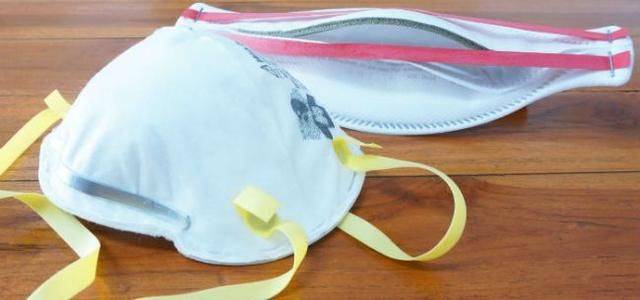
What's the worst shortfall in 2020? You must say it's a mask! Yes, since the new coronary pneumonia outbreak, it's like a “unusual”。
Starting on 2 february, shanghai fully launched the "registration of village council appointments + designated pharmacies purchase" mask supply. Previously, measures such as booking registration for the purchase of masks had been implemented in xiamen, hangzhou, guangzhou, nanjing, etc., such as the online roll-on for the purchase of masks, and hangzhou had decided to provide uniform distribution of masks for successful appointments. And in beijing, you'll only have three hours of luck in front of some drug store that sells masks, and then buy three masks. It's so hard. But would you choose the mask? Have you been wasting your mask
During the epidemic of new coronary virus infections, a guide to the use of pneumonia masks for the prevention of new coronary virus infections was prepared by experts of the national commission of health and human rights to guide the scientific rational selection and use of masks among different populations。
In this guide, masks are divided into four categories: one-time medical masks, medical surgical masks, particulate protective masks for kn95/n95 and above, and medical protective masks. The guide reminds that masks are an important defence against respiratory infections and can reduce the risk of new coronary virus infections. The mask not only prevents the patient from jetting, reduces the amount and speed of foaming, but also prevents the virus-containing foam core from being inhaled。
But with regard to masks, do you really understand what kind of masks are? What's the difference
What's the difference between n95 and kn95
At the national level, the “n95/kn95 mask” has become a hit by the epidemic. However, it is not clear to most members of the public what the difference is between “n95/kn95 mask”, “n95” and “kn95”。
Kn95 masks are mainly classified according to the national standard gb2626-2006, self-insorption filter anti-particle respirators. The masks are divided into two categories, kn and kp, according to the efficiency level of the filter component. Kn is suitable for non-oil particles such as dust, smoke and microbes. Kp is suitable for non-oily and oily particles, typically oily particles such as oily smoke, oily fog, asphalt smoke, particles contained in diesel tail gas and coke smoke。
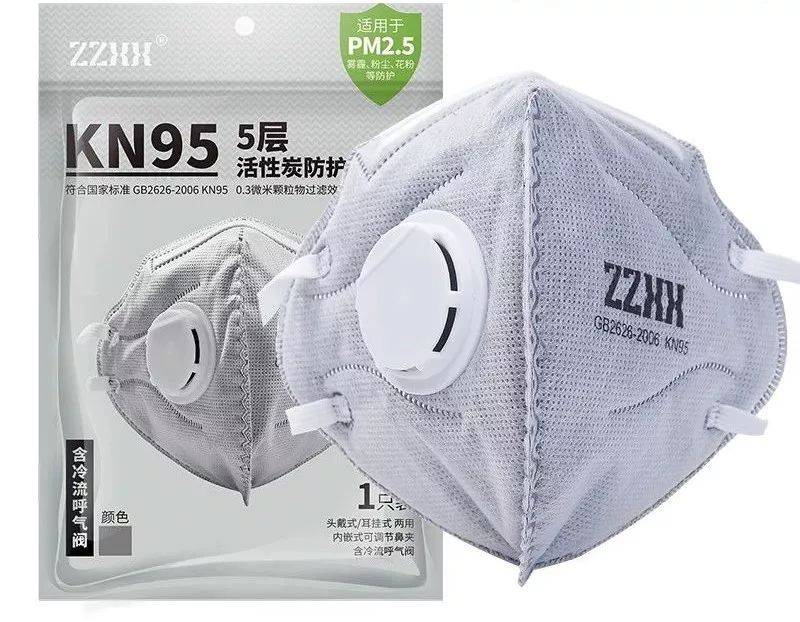
Three levels were broken down according to the effect of their filtering: 95%, 99%, 99. 97% (i. E. 95,99,100). Common oilproof particulate masks are divided into three levels: kp 100, kp95 and kp90. Dust masks are divided into kn100, kn95 and kn90. Of these, the kn95 mask should have a filtration efficiency greater than or equal to 95% when measured with sodium chloride particles。
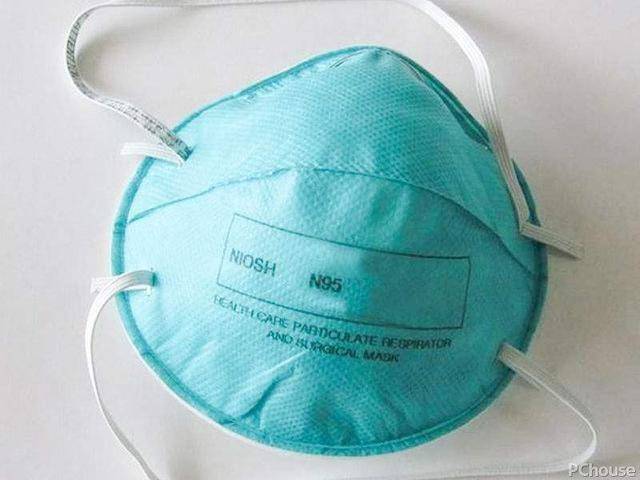
The n95 mask is one of nine particulate protection masks certified by niosh. “n” means intolerant oil. “95” means that the filtration efficiency of the masked material should be 95% when exposed to specially designed test particles with specified concentrations and particle distributions。
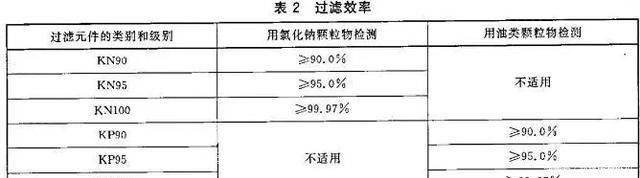
The mask is divided into two categories, kn and kp, according to the efficiency level of the filter component (photo from the network)
In fact, the effect of mask filtering is largely determined by filters in masks. The filters commonly used for masks are smelting sprays, the primary source being polypropylene-forming superfluent fibres. This material is characterized by good air filtering, low resistance, efficient and high dust。
In general, the higher the shield, the greater the impact on comfort. People wear masks when inhaling, which have some resistance to air flow. When there is too much inhaling resistance, some people feel dizzy, their chests and so on. The basic principle for wearing masks is therefore that they should be scientifically justified, regulated and effectively protected。
Could the pm2. 5 mask prevent infection
In recent years, there has been growing public concern about air pollution (e. G. Pm2. 5 overgrades), outbreaks or epidemics of respiratory infectious diseases caused by emerging pathogenic viruses, and many people who leave the country spontaneously choose to wear masks to protect themselves, resulting in wider application of particulates protection masks。
Particle masks are a major category of professional masks designed to protect air pollutants in the form of particles, such as dust, dust, smoke, etc., and provide respiratory protection to those wearing them. For the time being, the particle shield produced in the country should conform to the gb 2626-2006 self-insorption filtered particle respirator and the gb/t 32610-2016 technical instructions for daily mask。
Among them, the gb/t 32610-2016 technical instructions for daily protection mask is the first national standard for civil protection masks, which was formally implemented on 1 november 2016. Prior to the landing of this new national marker, there was no standard for protective masks specifically for the general population. Many masks indicate their haze-resistant properties by “filtration efficiency” and often call themselves “filtration efficiency above 90 per cent”。
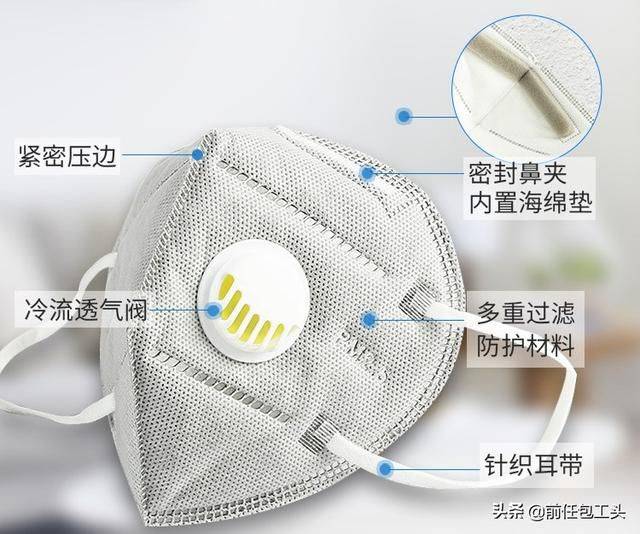
External structure of protective masks
In practice, “filtration efficiency” does not fully reflect the protection of masks. Even if the filtration of the core does reach 99 per cent, the protection capacity will be significantly reduced if the mask is not sufficiently sealed to be in contact with the face. Thus, the new national label uses a combination of indicators such as “protective effects” for mask performance to define the function of the mask by a visual effect such as “air quality in inhalation after wearing a mask”。
So can the pm2. 5 mask prevent infection? Pm2. 5 refers to particles with a diameter of 2. 5 micrometres or smaller, and different haze masks should be specifically analysed。
For example, the folding of 3m9001 and 3m9002 valve-resistant particle masks, which meet the criteria of gb2626-2006 kn90, means that in the particle filter efficiency test it can block at least 90% (0. 3 Μm level) of the test particles, although the effect is slightly less than that of n95, but much better than the normal one-time mask. The 3m8210 recommended by a larger number of people, which in itself meets the kn95 criteria, is used to prevent viral infections。
What's the difference between a medical mask and a medical surgical mask
The generic level of medical masks, which have more names and which do not have the words “protective” and “surgery” in their names, are those of the ordinary level of medical masks, which do not require containment of blood or compatibility requirements and are therefore used only in the general medical environment。
For masks such as cotton veils, sponge masks and activated carbon masks, there is now a clear reminder in the guidelines for the use of pneumonia masks for the prevention of new coronary virus infection that they are not protective against viral infections. So what's the difference between a “medical surgical mask” and a “medical protective mask” that is given high hopes? How's the protection working out
Medical surgical masks are mostly self-sorted filter masks, which operate by filtrating the air containing the hazard through the filter before being inhaled or pumped out. Any mask produced under our national yy 0469-2011 technical requirements for medical surgical mask is a medical surgical mask, which is used primarily for initial use, low resistance, resistance to blood, body fluids and 95 per cent bacterial filtration efficiency。
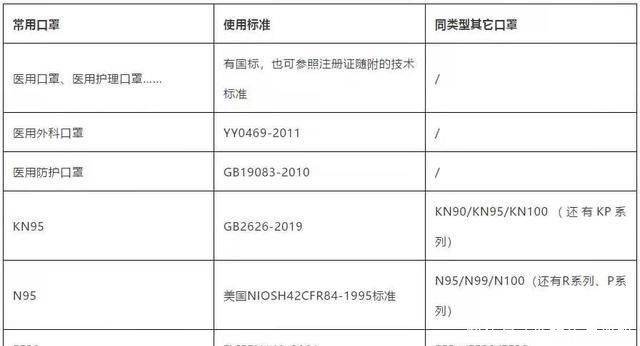
Depending on need, a protective mask meeting national standards is available
The medical surgical mask is “a mask worn by clinical medical personnel in a creative operating environment to protect patients being treated and medical personnel performing creative operations and to prevent the spread of blood, body fluids and splatters from being used by medical surgical masks for medical personnel”。
The standard medical surgical mask is divided into three layers: the outer layer is a water-retarding layer to prevent liquid splattering, the middle layer is a filtration layer that prevents 90 per cent of the 5 micrometre particles, and the inner layer is used to absorb liquid and humidity released by the wearers. The surgical mask applies to the basic protection of medical personnel or associated personnel。
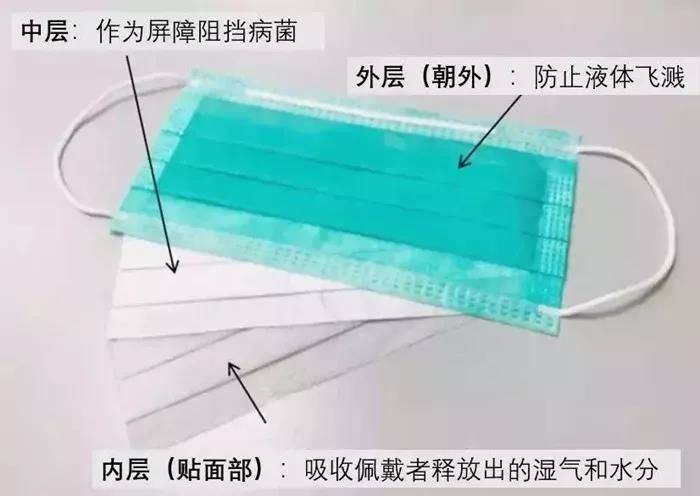
Composition of common surgical masks
Compared to medical masks, the medical surgical masks require less particle filtering (pfe), which increases the bacterial filtering efficiency by 95 per cent; cytological toxicity, sensitization requirements, non-conformity requirements, etc。
The medical shield, with a high grade, has a 95 per cent particle filtration efficiency and is highly condensed, but has greater respiratory resistance. It is primarily appropriate to filter particles in the air in a medical working environment, and to block self-sorting filtered medical masks for foams, blood, body fluids, endocrines, etc。
Medical protective masks are used in practice on the faces of users with different faces, and are not protected if the mask is not suitable for the human face, even if it is more efficient to filter, and the mask is not closely connected. The 2010 edition of the national standard increased the requirement for condensed indicators, taking into account the special nature of the environment in which masks are used and the importance of the protective effect。
Finally, it is recalled that the health population wears masks and that there is no risk of the transmission of new coronary viruses, which are replaced when the masks are deformed, wet or dirty, resulting in reduced protective performance. After-use masks for the healthy population are processed according to the requirements of the classification of living waste. The mask on which the suspected case or diagnosed patient wears shall not be discarded at will, shall be treated as medical waste and shall be treated strictly in accordance with the procedures relating to medical waste and shall not enter the market in circulation. I'm sorry
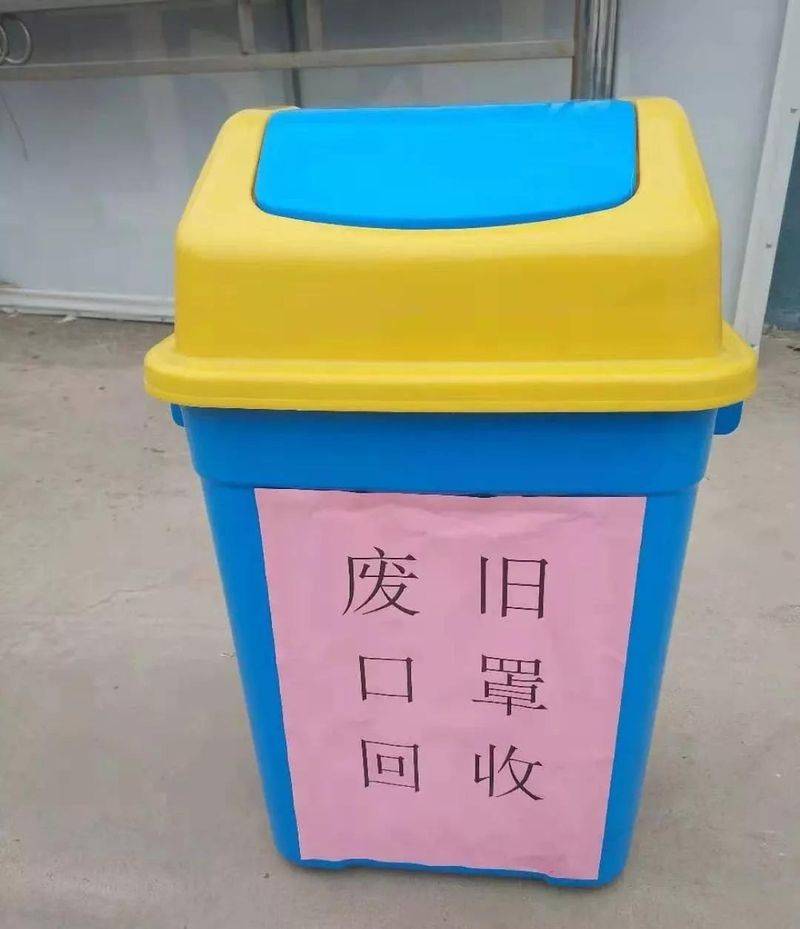
Don't lose your old mask。
(revision expert: dr. Liu ki, national centre for monitoring and inspection of the quality of labour protection supplies, beijing)
This paper was produced jointly by the chinese digital science and technology institute and the beijing science and technology newspaper