A few days ago, a group of roosters were walking around the forest in a forest in the town of xinjiang in mojane autonomous district, where they were looking down for food and were singing songs, which were the home-grown “sliding chicken” farming industry。
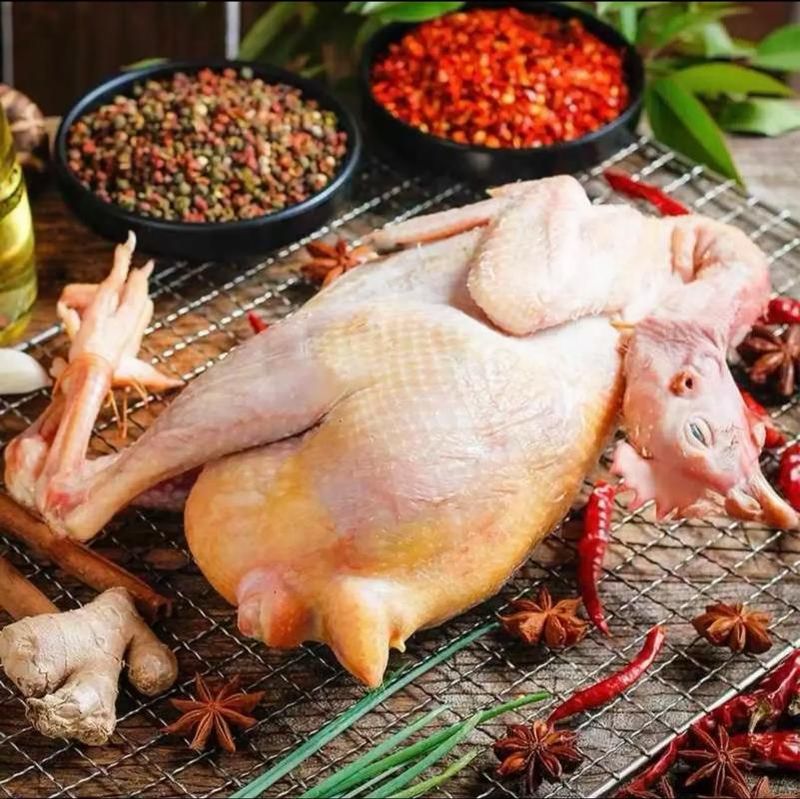
“these chickens can be fed for about 160 days, and can be sold five or six times a year. I buy over 2,000 feather chicks a month and sell nearly 30,000 chickens a year. Currently, there are more than 8,000 feathers and more than 6,000 feathers in the chicken farm under the forest.” the head of the forest farm, yuan yuan, learned to say that the chickens and geese, which depend mainly on the forest for food, are not only low-cost but also particularly good-looking。
By making full use of the available space under the forest and allowing chickens to move freely in the forest, the farm saves both the cost of farming and the healthier growth of the chicken, with its fine meat. At the same time, chicken manure is a natural organic fertilizer that promotes the growth of trees and creates a virtuous cycle of forest protection and forested chickens。
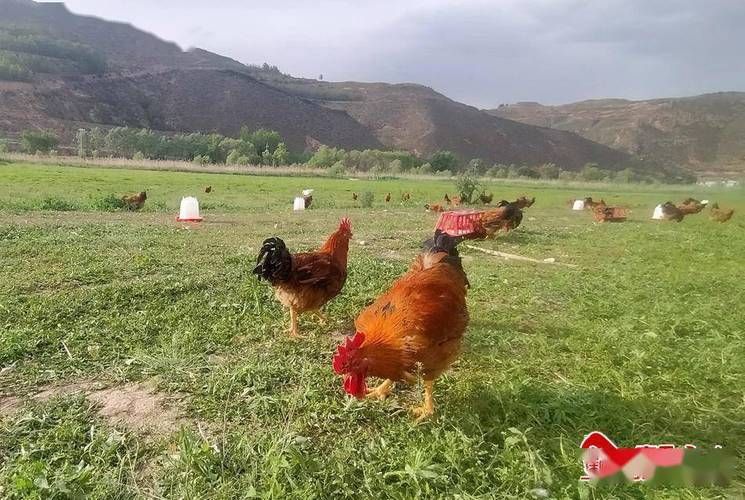
“in addition to the hotels that supply the town of customs clearance, my chickens and geese are sold to yuxie, western bizona, etc., and are well favoured by the market, with a net profit of over $100,000 a year.” yuan has learned from his hard-working experience in farming and has put his farming industry on the right track, increasing its economic efficiency over the years。
Today, in the mountains, orchards of the border-crossing town, the pattern of “sliding chicken” farming, like yuan's, is emerging as a new highlight for local ecological farming. There are now more than 60 households in the whole town engaged in the production of chickens under the forest, ranging from hundreds of feathers to tens of thousands of feathers, with a total of more than 200,000 chickens per year。
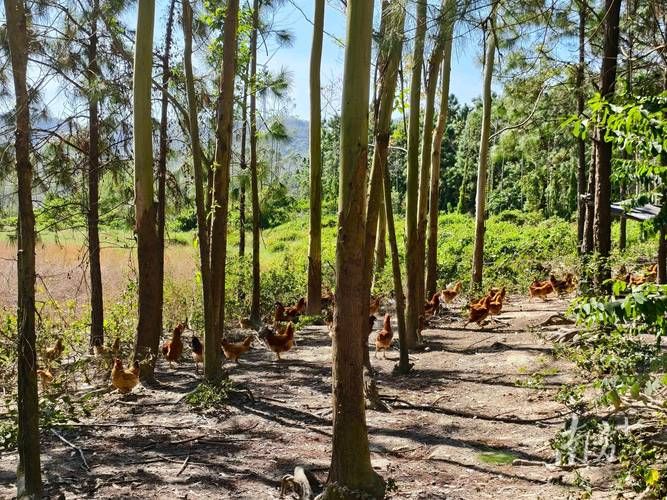
The cultivation of “sliding chickens” under the forest has allowed for the full utilization of forest land resources in the customs-crossing town, the realization of ecological and economic gains and the opening of a new path of green harvests for the local population. (communicator pang kuly chang ho)