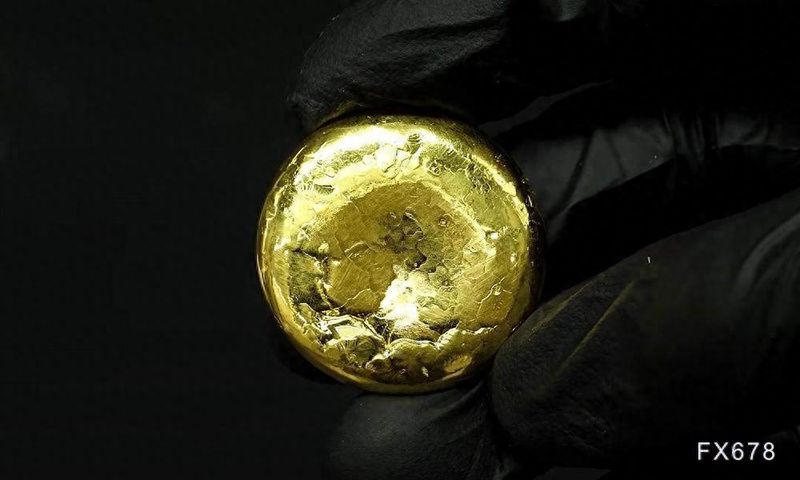
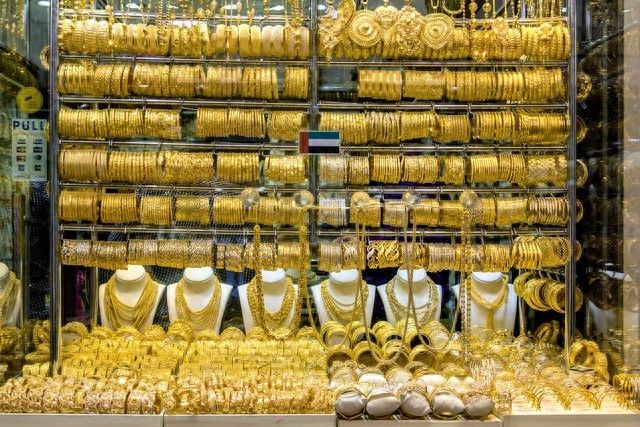
The terms “full gold” and “pure gold” are often confusing when selecting gold jewellery or investing in gold. They all sound like high purity, but what's the difference? In short, “pure gold”, which theoretically refers to 100 per cent of gold, is virtually non-existent in reality; and “full gold”, which is the term for the highest purity of gold ornaments in chinese national standards, refers to gold containing at least 99. 0 per cent gold. Understanding the difference is key to avoiding consumption errors and making informed choices. This paper will provide an in-depth analysis of the definitions, criteria, application scenarios and market realities of both to help you make clear decisions in the gold market in 2025。
I. Conceptual retroactivity: from theoretical “pure gold” to real “full gold”
To clarify the distinction, it is necessary to start with the most fundamental definition。
Theoretical “pure gold” - ideal form of 24k gold
In theory, “pure gold” refers to 100 per cent of gold without any impurity, corresponding to the concept of “24-k gold” (k is the unit for measuring the purity of gold and 1k equals approximately 4. 166 per cent). However, the physical characteristics of gold determine the “goldness”. 100 per cent of pure gold is soft, highly deformed and worn, and can hardly be processed into jewellery that needs to be modeled and durable or used for the casting of circulating gold coins. Thus, “pure gold” is more an expression that exists in theory, in chemical concepts and in people's ideals and is rare in real commodity markets and industrial applications。
“full money” under national standards — the highest guarantee of market circulation
“full money” is a commercial term with clear legal and standard definitions. In accordance with china's current national standards, the gb 11887-2012 regulation on the purity of precious metals and the method of naming them, as well as its relevant updating and market practice in 2025, “full gold” refers specifically to gold products containing at least 99. 0 per cent gold. This is the official name for the highest purity of gold jewellery, gold bars, golden sun, etc. The “foot money” (au999), “foot money 999. 9” (au99. 9, commonly referred to as “gold gold” or “nine gold”), commonly found in the market, have a gold content of no less than 99. 9 per cent and 99. 99 per cent, respectively, and they all fall within the category of “foot money” with slightly different levels of purity。
Core differences: more than purity figures
The difference between the two is reflected in multiple dimensions, much more than a percentage of purity。
Relative dimensions pure gold (theory) full gold (market reality)
Nature of definition
Theoretical, idealistic concepts
Standardized, codified commodity terminology
Gold
100% (theoretically)
Marking and stamping
No physical commodity identifier
It must be marked as “foot money”, “au990,” “g990” or “foot money 999”, “au999” etc
Physical properties
Very soft, deformed, difficult to process
Relatively soft, but with a certain degree of hardness
Market applications
Essentially not used in commodity manufacture
The main forms of gold jewellery, investment bars, gold coins, reserve gold
Value representation
Only theoretical reference value
There is a clear real-time gold price basis, the value is determined by weight, purity and process
Critical point correction: there is no national name for "glut"
It should be noted, in particular, that the reference to “gift” (au99. 9), which had been popular in the market, was higher than “foot money 999” and had been regulated in the latest national standards. The national label clearly states that gold accessories, which contain not less than 99. 0 per cent of gold, are collectively referred to as “full gold” and are no longer referred to as “glubber” or “glubber”. This is to avoid confusion and direct consumer attention to the unified high-quality guarantee of “foot money”, rather than over-examining the small differences that follow the decimal points. Therefore, in 2025, all legally sold high-purity gold accessories should be labelled as “full gold”, which may be followed by specific content。
Iii. Application of specific and selection guidelines
How can differences be understood and selected according to needs
Jewelry: balancing purity and process
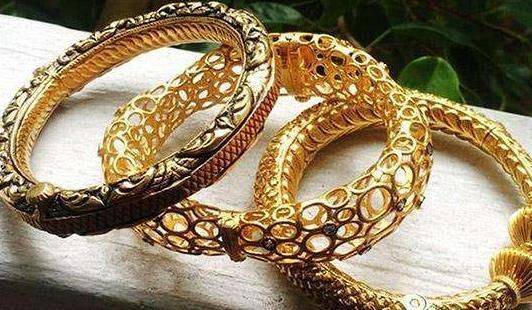
For everyday rings, necklaces, bracelets, etc., the choice of “foot money” is entirely sufficient and most appropriate. Because it guarantees a high sense of purity and has the necessary hardness to maintain the form and embedding of stones (e. G. By special processes). Complex fine processes such as emptiness and strangulation are accomplished on the basis of gold. Do not blindly pursue non-existent “gold” jewellery and do not have to pay excessive process premiums for outdated concepts such as “gold gold”。
Investment collection: attention to costs and liquidity
In the case of investment preservation, investment notes and coins issued by banks or formal institutions are preferred. They are usually “fluent 9999” and above, with very low processing costs, prices closely aligned to international base prices, and the best flow-back channels. Jewellery, on the other hand, contains higher process costs, and the return price is usually based on the value of raw materials and is not suitable for use as a major investment tool。
3. Selection points: identification and certification
For all purposes, it is essential that the purchase be carried out: a single check: observation of steel prints such as “foot money”, “au990” or “au999” on the product; two requests for documents: formal invoices or sales certificates showing the name, weight, purity of the product; three reliable channels: purchase through official channels such as brand gold stores, banks, etc., with better quality assurance。
Iv. New market trends and frequently asked questions in 2025
The gold market is also evolving as technological advances and consumption perceptions change。
Trends i: process values are becoming more visible. Consumers are increasingly seeking design, process and cultural content while valuing gold purity. Innovative processes such as ancient gold, 3d hard gold and 5g gold, all of which have been achieved in gold material, have widened the aesthetic boundaries of gold jewellery。
Trends ii: sustainability and traceability. A growing number of brands are beginning to provide traceability services for gold sources to ensure that they meet environmental and social responsibility standards, which is a new feature in high-end markets。
Common question answers (faq)
Q1: what's better for gold and gold
A: no absolute good or bad, only for different purposes. “full gold” is more pure, and its value is more concentrated in the material itself, suitable for traditional preservation and for populations with requirements for purity. “18k gold” (75% gold) is more suitable for the manufacture of fashion drills and coloured jewels that require solid embedding because of the addition of other metals, which are high in hardness and colour (e. G. K white, k red)。
Q2: why do i buy a little different color for gold
A: this is normal. Even in the case of gold, trace amounts of other metal elements or surface process treatment (e. G. Sand grinding, polishing) may affect their colour perception. Purity is guaranteed whenever products are purchased and clearly marked through formal channels。
Q3: is it better to buy gold in 2025, the more pure it is
A: not necessarily. For investment gold bars, the higher the purity (e. G. Au9999), the closer the price to the raw material gold price, the lower the premium. For jewellery, however, excessive purity means that the material is softer and may not last long. The “foot money” under national standards has ensured high purity and should be considered more in terms of design, process, wear and overall value for money。
Q4: how to maintain gold jewellery
A: avoid exposure to chemicals such as mercury, chlorine (e. G. Bleach), separate storage to prevent friction, regular washing with mild soap and drying with soft cloth. For gold accessories from complex processes, it is recommended that maintenance checks be conducted regularly at specialized stores。
In conclusion, “pure gold” is a distant theoretical pole, while “fast gold” is a qualitative commitment that is within reach. Today, in 2025, as consumers, we should jump out of the literally attached to the word “purity” and move to a rational view of the normative label of “foot money” based on national standards. When buying, the focus is to expand from the simple pursuit of purity to the overall design of the product, the level of process, brand reputation and post-sale security, thereby making decisions on gold consumption and investment that are truly commensurate with its needs and value for money。