Let's get started
Eggs have been not only a food but also a valuable medical resource since ancient times. How many eggs can you eat a day for a healthy modern man? The more good you eat
It is documented in this basics that eggs have a significant effect on the cyanide, drying and blood-baby birthing, and that the ancients are convinced that they can make up their bodies, especially for those who are weak and recovering from illness。
In addition, eggs are considered to be a nutritious natural food that is widely used in daily diets to supplement the various nutrients needed for the human body。
The nutritional value of eggs is extremely high and they contain high-quality proteins, while yolks are the treasures of vitamins a, d, e and k. They also contain vitamin b, such as b12 and folic acid, which are essential to the health of the nervous system and the red blood cell. In the case of minerals, eggs contain iron, zinc and selenium, elements that play an important role in the proper functioning of the immune system and metabolic metabolism and are of great benefit to health。
Moreover, eggs are relatively low in heat and are well suited as breakfast or snacks and an excellent source of protein. In particular, proteins in eggs are essential for muscle growth and repair, especially for those in need。

Protein advantage in eggs
The proteins in the eggs are full protein and contain all nine essential amino acids required for the human body, which cannot be synthesized on their own and must be taken from food。
Eggs have a very high protein absorption rate of 94 per cent of their biological value, which means that they are almost entirely absorbed and exploited by the human body。
How many eggs a day
Questions about eating eggs are particularly common in modern societies, especially with regard to “some eggs per day”. There are many who think that 10 eggs a day can be eaten in such a nutritious way. There are also many fears that over-ingestion of eggs can have adverse effects on the body, especially on cholesterol levels。
What about the truth? Over-ingestion does upset the human nutritional balance and cause other health problems. This is reflected in:
I. Nutritional imbalances
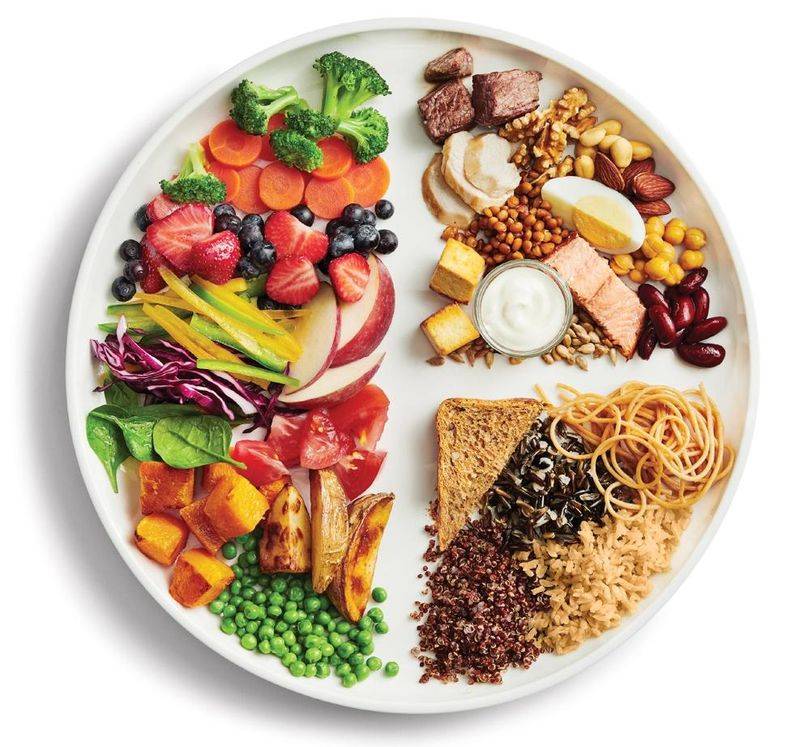
Overingestion of eggs can crowd in other food intake spaces, leading to inadequate intake of other important nutrients (e. G., dietary fibres, certain vitamins and minerals) and, in the long run, may lead to an imbalance in the body's nutrition and reduced immunity。
Ii. Increased liver and kidney burden
Ten eggs contained large amounts of protein, fat and cholesterol, with cholesterol levels of about 3,000 milligrams alone, a figure well above normal human daily intake. Despite recent changes in the perception of cholesterol and cardiovascular disease, over-ingestion may pose a health risk to certain populations. Protein is subject to kidney treatment during metabolic processes, and over-ingestion increases the pressure for kidney filtration, which in turn increases the kidney burden。
Iii. Increased rock risk
Excessive intake of proteins tends to lead to increased calcium and urine levels in urine, while a decrease in lysylic acids. These two are the material basis for the formation of urinary stone, and may therefore increase the risk of rock exposure。
Iv. Obstruction of iron intake
Eggs contain egg yolk high phosphorus protein, which can easily affect the absorption of iron agents. For those in need of iron supplements, over-eating eggs may be detrimental to iron absorption。
V. Adverse effects on specific populations
For patients with coronary heart disease, high cholesterol haemorrhagic disorders, cholesterol, incomplete kidneys, cirrhosis of the liver or allergies of protein, large quantities of eggs can exacerbate the condition。
In conclusion, it is clear that 10 eggs a day are consumed beyond the nutritional needs of normal people and can have multiple adverse effects on the body. It is therefore recommended that healthy adults eat one or two eggs per day with other types of food to ensure full nutritional intake. If there are special health conditions or dietary needs, it is advisable to consult with the nutritionist or doctor。
In addition, the cooking of eggs is essential. We can choose cooking methods such as boiled eggs, boiled eggs or fried eggs that preserve the nutritional value of eggs. By contrast, cooking methods such as fried or fried eggs increase the intake of oil。