Testing equipment as a core tool for quality control and development certification in manufacturing runs throughout the life cycle from semiconductor chips to end products. Whether the crystal round is being tested in the chip manufacture, or the whole vehicle performance of a new energy vehicle, or the signal calibration of a communications base station, the test equipment plays an irreplaceable "mass inspector" role。
In recent years, as the global semiconductor industry landscape has been reshaped and new energy and intelligent wave surges have coincided, the testing equipment industry is opening structural growth opportunities. At the same time, the advanced deep-water zone, which has been replaced by domestic production, has led to a profound change in the competitive logic of this track。
Analysis of the state of the test equipment industry
Currently, the global testing equipment industry has a clear pyramid pattern. At the top of the tower are sophisticated instruments represented by high-end oscilloscopes, spectrum analysers and semiconductor testing systems, an area that has long been dominated by a small number of international giants whose products remain intergenerational leaders in core indicators such as bandwidth, precision and stability. In the case of the taki, where general test instruments at the medium and low end, such as a universal watch, a basic signal generator, etc., have been covered on a large scale by national product plates, with full market competition and relatively limited profit space。
From technology to technology, the industry is going through a transition from "single function" to "platform, intelligent". While traditional testing equipment is mostly a stand-alone hardware instrument, a new generation of testing systems has evolved in an integrated direction towards software and hardware, integrating automated testing scripts, data analysis and cloud management capabilities. This shift not only increases testing efficiency, but also reshapes the industry's logic of value allocation — the weight of software and algorithms is rising。
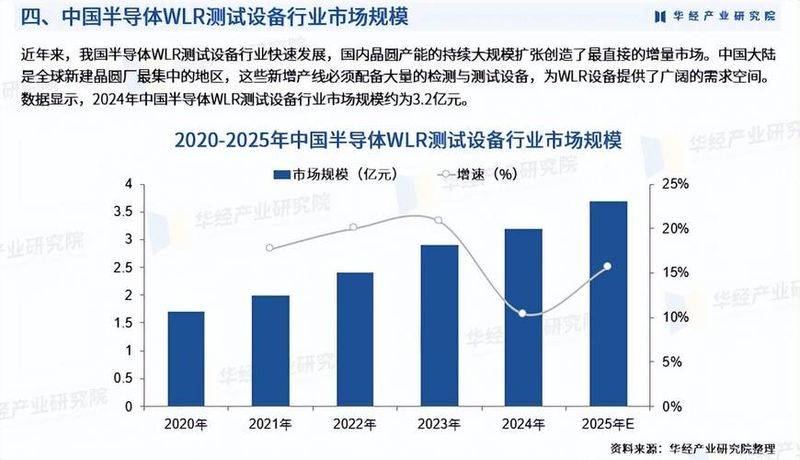
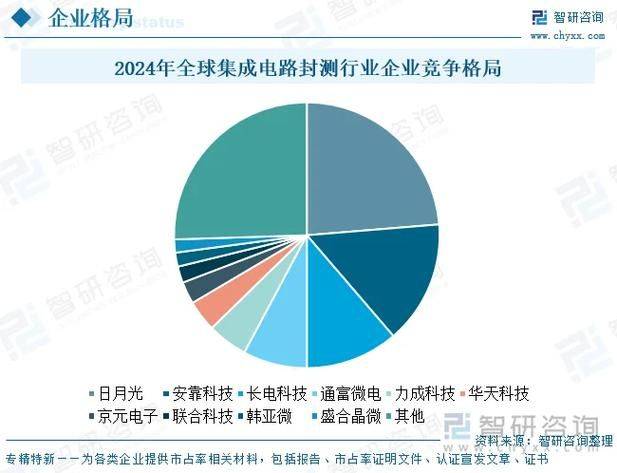
In terms of competition patterns, domestic testing equipment enterprises have made significant progress in recent years. In the area of semiconductor testing, for example, some domestic enterprises have already made breakthroughs in the storage of chip tests, simulation chip tests, and other subdivision tracks, with product performance approaching international front-line levels. However, in the areas of high-end logical chip testing, radio frequency testing, there are still gaps in the national production coverage, the speed of testing and the suitability of advanced programming. This gap is not simply a technical problem, but it is deeper because of the high degree of synergy between testing equipment and upstream chip design and manufacturing processes, with international giants building on decades of process to create ecological barriers that cannot be replicated in the short term。
In addition, the downstream demand structure of the industry is changing. In the past, consumer electronics were the largest source of demand for testing equipment; today, emerging areas such as new energy vehicles, photovoltaic energy and third-generation semiconductors are becoming new growth poles. In the case of new energy vehicles, for example, a smart electric car involves dozens of links, such as battery bag tests, electric controller tests and whole-car electromagnetic compatibility tests, and single-car test equipment requirements are much higher than conventional fuel trucks, which opens up entirely new incremental space for the industry。
Market analysis of the test equipment industry
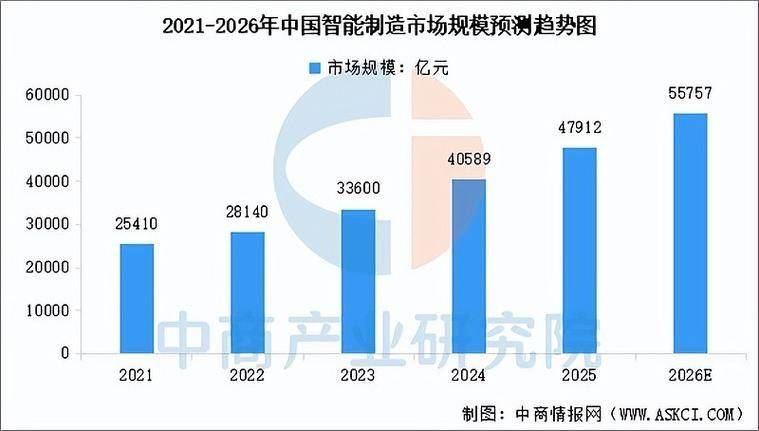
From the global market point of view, the test equipment industry as a whole has maintained a steady growth pattern. The core drivers of growth are three factors: the cyclical upturn in global semiconductor capital expenditure, and the need to drive crystal round testing and end-of-product testing equipment; second is the expansion of production capacity in the area of new energy and intelligent manufacturing, which generates a large number of additional testing needs; thirdly, the complexity of the product has led to an increase in the testing chain and the number and variety of test equipment required for single-station terminal products have increased。
In the domestic market, the growth of the test equipment industry is more dynamic. On the one hand, the autonomous and controllable strategy of the domestic semiconductor industrial chain continues to advance, contributing to the increasing proportion of procurement of domestic testing equipment; on the other hand, the global leadership of new domestic energy industries such as automobiles, photovoltaics and lithium batteries has led to an explosion in demand for testing. It is worth noting that growth in domestic markets is not evenly distributed, but is characterized by clear structural divisions。
According to the report of the china test equipment industry panorama study and development prospects 2026-2030, published by the general industrial research institute of china:
The market for medium- and low-end generic test instruments is at a competitive stage in the red sea, with national product plates taking a larger share based on value-for-money advantages but with a lower overall profitability. While the market for high-end test equipment remains dominated by imports, the rate of domesticization, although increasing year by year, remains low in absolute terms. This means that the increase in the value of the industry is concentrated in the medium-high end, and those who can make a breakthrough on the high end track can get a greater market share and higher profit returns。
In terms of regional distribution, the long triangle and the pearl triangle are the two regions with the highest concentration of domestic test equipment enterprises. The long triangle, based on semiconductor industrial clusters in shanghai and suzhou, is located deeper in the area of chip testing equipment, while the bead triangle, with its advantages in electronic manufacturing in shenzhen and east china, has created stronger industrial ecology in the area of electronic and new energy testing equipment. The differentiated positioning of the two regions has also shaped to some extent the competitive landscape of the domestic test equipment industry。
Analysis of the future prospects of the test equipment industry
Intelligence and automation will be industry markers. As the complexity of the products measured continues to rise, manual testing has become difficult to meet in terms of efficiency and accuracy. Future test devices will be deeply integrated with artificial intelligence algorithms to achieve automatic generation of testing programmes, intelligent determination of test results and self-adaptation analysis of abnormal data. Especially in the field of semiconductor testing, the classification and optimization of tests based on machine learning has become the front-line research direction, with the prospect of significantly increasing test efficiency and reducing error rates。
Platform and modularization will reshape industry business models. The traditional "selling hardware" model is moving towards "selling solutions". Testing equipment manufacturers will provide services in more platform-based structures, and users will be able to adapt the testing modules to their needs and expand the functionality as needed. This model not only reduces the initial input of users, but also creates a continuous source of software and services revenue for producers. New business practices, such as cloud testing and remote diagnostics, will also emerge, further expanding the service boundaries of the industry。
High-end domestic production will move from "alternative" to "competitive". Over the past few years, the national testing equipment has been positioned more in terms of "filling the gap" and catching up with international performance. In the future, as the domestic semiconductor process continues to progress and the autonomous innovation of testing algorithms, domestic production equipment is expected to compete with international giants in some high-end subdivision areas. In particular, emerging tracks, such as third-generation semiconductors and advanced seal tests, have a relatively small technology gap at home and abroad, and domestically produced equipment has the opportunity to achieve a curve-crossing advantage with services closer to the needs of local customers. In addition, green testing and sustainable development will be new topics of interest to the industry. As global energy consumption and environmental requirements for electronics increase, greater emphasis will be placed on the energy efficiency ratio of testing equipment itself, on-call power consumption and on the optimization of testing processes, which will also generate new technology needs and product orientations。
In summary, the testing equipment industry is at a critical stage of renewal. As it stands, the national production substitution has permeated from the lower to middle end, but core technical barriers remain; from the market point of view, the outbreak of new applications has injected strong growth dynamics into the industry, with clear structural divisions; it has never been seen that the three trends of intellectualization, platformization and high-end domestic production will together shape the next decade of the industry。
By collecting, collating, processing, analysing and transmitting market-volume data, china-china provides a package of information solutions and advisory services to clients, helping them to minimize investment risks and operating costs, taking advantage of investment opportunities and improving enterprise competitiveness. For more up-to-date professional analysis, please click on the china test equipment industry panorama study and development prospects report 2026-2030 of the china institute of industrial research in china。