On 1 june 2022, the national recommended standard, the white alcohol industry terminology, the beverage terminology and classification (hereinafter referred to as the “new national standard”), issued by the national directorate of market supervision, was officially implemented. With the official implementation of the new national standard, alcohol using non-grain alcohol and food additives will no longer be referred to as “white wine”, which will be removed from the ranks of “white wine” and redefined as “formulated wine”。
In fact, the industry has gone through a full-year buffer period since the introduction of the “new national standard” last may. The daily securities journal reporter visited several alcohol outlets in the beijing region to learn that the old cellars of yuzhou are now closed to white wine that does not meet the “new state standard” and that the bull's queen's wine factory has officially launched the taki core monograph “golden curb”. At the same time, however, some enterprises have not made significant changes。
“the introduction of the `new national standard' responds to the overall evolution of the alcohol market, as well as to the normative direction of the industry, and to the consumer’s attention. The concept of pure food brewing as good wine' has been further strengthened to the advantage of high-end brands, with little impact on other brands in the short term and greater impact in the long term.” zai xiai, an analyst in the white wine industry, and an interesting consultant manager, said in an interview with the daily securities journal。
The wine has been removed
Emphasis on pure food
The new state standard redefines the term “white wine” to mean “stilled wines made of evaporated, fertilized, fertilized, fermented, fermented, fermented, fermented, fermented, distilled, churned, condensed and condensed, with grain grain grains as the main raw material”
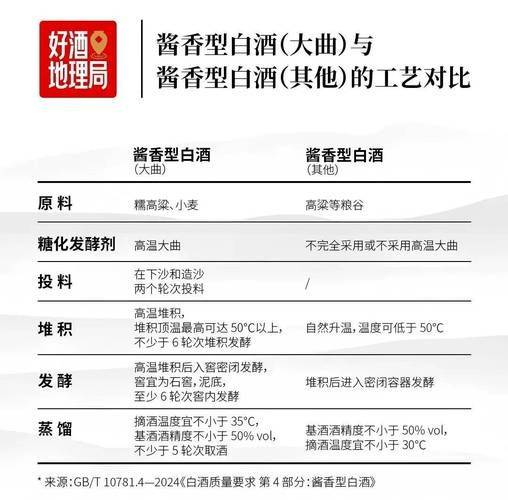
It is clear from the new national standard that “white wine” using non-grain alcohol and food additives will be classified as “formulated wine” and removed from the original “white wine” classification。
The new state standard also explicitly defines verbs as brews of wine, i. E., by adding verbs to the definition of verbs, liquid filaments, solid filaments or edible alcohols as a base, and by adding food additives, as white wines。
One of the main drafters of the standards, meng towns, assistant director of the standards information department of the china food fermentation industry institute, stated that the initiative was aimed at protecting consumer interests and meeting consumer aspirations for high quality。
The president of the chinese liquor industry association, song shuyu, stated that the main core definition of the “new national flag” was the high degree of convergence between classification definitions and consumer perceptions. For example, it is widely recognized by consumers that “food wine” must be used as a raw material for the definition of “new national standard” and that “white wine” refers to sorghum, wheat, barley, peas, rice, slurry, etc. Another core definition is “non-adding” in that “white wine” does not allow for the addition of perfumed, tasted and coloured substances that are not fermented on their own。
China's food industry analyst, zhu danbong, said to a journalist in the daily securities journal that the landing of the “new state mark” had added value to china's white wine industry structure. China has entered an era of quality-oriented and brand-based values, upgrading industrial structures, optimizing the competitive environment for industries and increasing the concentration of industries in order to promote national food safety and control, promote the development of industries and safeguard consumer rights and interests。
“the implementation of the new state marker has been a landmark in the chinese white wine market, resolving the issue of the white wine industry, such as the `alcoholist door', and combating the false and suboptimal behaviour of food wine, which has a positive effect on improving the quality of the whole white wine industry and on the culture of purification.” cai xie yi indicated。
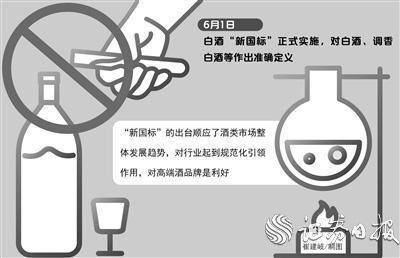
According to the new state signs, many well-known branded products, such as kennancheng's song, the old village chief's chan dynasty and jijiang, can no longer be called “white wine”. At present, a number of liquor companies are actively adjusting their products to market conditions。
By way of example, it is clearly stated in the table of ingredients of the jianjiang song that “sorture-based white wine, water, sugar trichlorfon, which, according to the new state standard, will no longer be called “white wine”. The journalist learned at the giang flag shop of an electrician platform that the white wine had fallen off the shelf. According to the client's response, older products such as jijiang, 100-year-old jiangjiang, samsung/five stars, 15/20 caches or sub-line products have been upgraded and are no longer produced。
However, products such as the song of kennancheng and the old village chief, chan dang, continue to be sold on electrician platforms. In response, the daily reports of the securities journal contacted kennan chun and the village chief, respectively, but no response had been received to the submission。
End market promotion
The small winery will be marginalized
What would be the impact of the implementation of the new national standard on the end market? In response, the daily journalist visited several businesses a day ago. In a property supermarket in beijing, part of the bottle is being sold at a discount. For example, a large number of cattle-mounted products are engaged in promotional activities, including small purchases and direct price reductions. Of these, a bottle of 43° 500 ml of wine is purchased, a bottle of 125 ml is delivered, and a bottle of 52° 1 l is purchased, a bottle of 150 ml is given。
The supermarket salesman stated to the journal of securities that “the promotion has been going on for some time, for reasons unknown”
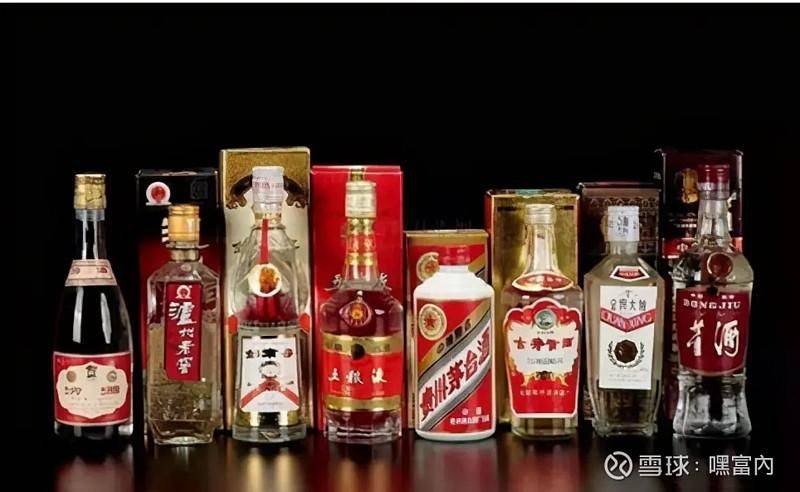
In response to the fall of the “new nation marker” in the white wine industry, journalists interviewed several consumers at random, who stated that they were used to drinking cattle and had no knowledge of the “new country standard” but would not affect future purchases. Consumers also indicated that the market was clearer and that future purchases would be more reassuring。
In response, zai jia fei indicates that chinese white wine is a multi-favourable product and that consumers are used to the taste of alcohol, so that there will be no impact on the marketing of the enterprise's products in the short term following the implementation of the “new national standard”。
“the impact of the `new country marker' on the end market is more limited, with the arrival of the midday festival, chinese alcohol consumption having a nodal consumption character, and the promotion of large supermarkets is normal in order to increase sales before the festival.” according to cai, “in practice, a large amount of alcohol, such as bare wine, has been marketed for long periods of time and has become normal due to the epidemic”
An unnamed owner of the wine factory said to the journalist, “the new national sign was introduced and the factory has undergone a study overhaul, and some of the wines are now being upgraded, but some of the original wines are being produced normally.”
White wine industry analysts, who spoke to the daily securities journal, said that the implementation of the “new state standard” would lead to the gradual marginalization of fake, mixed liquor mills and a further concentration of market shares in leading-scale enterprises. For small and medium-sized enterprises, future barbers are sold in the name of brewing。
Cai jie yi further states that “the `new national sign' is a powerful guide to alcohol consumption, provides a more sound basis for consumer identification of food and alcohol, and reinforces the concept and facilitates the upgrading of alcohol consumption. In the long run, well-known liquor companies will become more competitive and small liquor companies will leave the stage completely.”