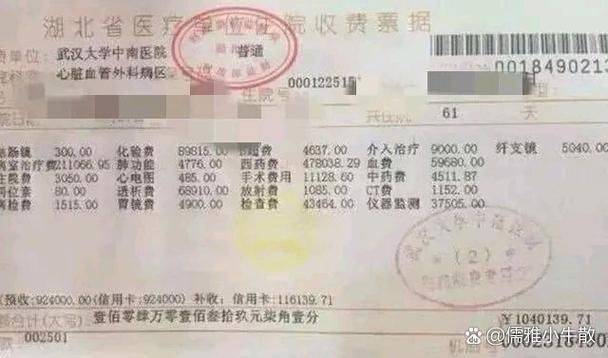
“the cost of this hospitalization was unexpectedly high, and it cost itself only 40,000, which would cost nearly $1. 1 million over seven years.” lee tae-jun spoke to a journalist for daily economic news。
During the 29th national oncology control awareness week, kidney cancer, a malignant tumor common in the urology system, is gradually becoming visible to the public in terms of patient treatment and medication. Renal cancer was diagnosed at age 14, re-emergence at age 17, and he has now walked seven years against cancer at age 21. Over the past seven years, he has undergone three abdominal surgeries and several programmes, transferred to the country's top hospitals, and even travelled to gansu wuway for heavy ion treatment at a cost of 270,000 yuan, a total of nearly 1. 1 million to combat cancer。
In recent days, lee tae-jin has been interviewed by a journalist for the daily economic news, describing the difficulties he faces in terms of reimbursement for his treatment, the lack of listing in the country and the uneven quality of generic medicines. The personal experience of the young patient reflects not only the current state of treatment for the group of patients with kidney cancer, but also the difficulties they currently face in their treatment。
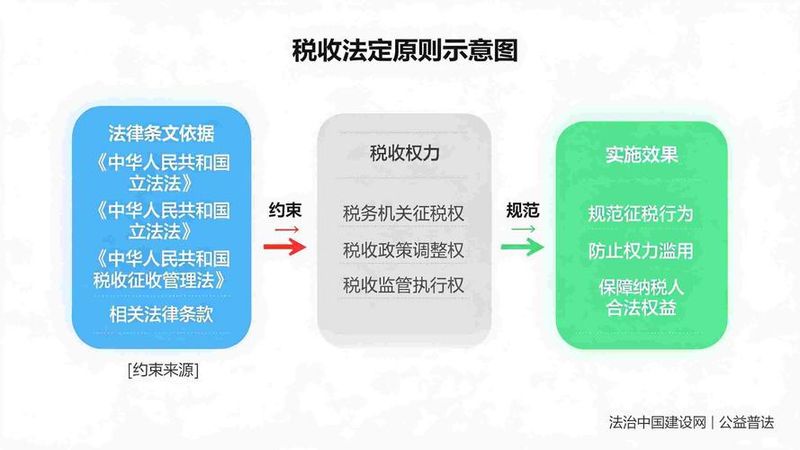
The difference in reimbursement between the cic calibration consulting partner, liu riang, is a concrete reflection of the process of fine-tuning management of health care, the core of which is the combination of drug economics evaluations and clinical needs priorities, rather than a single factor. Health insurance funds are limited in total and need to maximize health output. This differentiated management is itself a manifestation of the continued optimization of health policies。
He was diagnosed with kidney cancer at 2nd grade
“seven years against cancer, i spent nearly $1. 1 million on it, and it would be difficult to sustain it without the help of a kind person.” lee tae-jun told the daily economic news reporter that the high cost of medical care was a heavy burden on him and his family。
Lee tae-hwan's path to cancer began in 2019, when he was a junior student and was hit by his classmates while playing basketball at school, resulting in a broken kidney tumor. At first it was thought that the stomach disease, which was diagnosed as difficult to classify by a major hospital, had undergone two operations at zheng yuichi hospital, which resulted in the complete removal of the left kidney。
"i have no apparent abnormalities prior to the diagnosis, except that the left abdomen occasionally have a slight grunt, with no expectation of a tumor." lee tae-jin told the daily economic news reporter that the hidden nature of kidney cancer was at an advanced stage of diagnosis and made follow-up treatment more difficult。
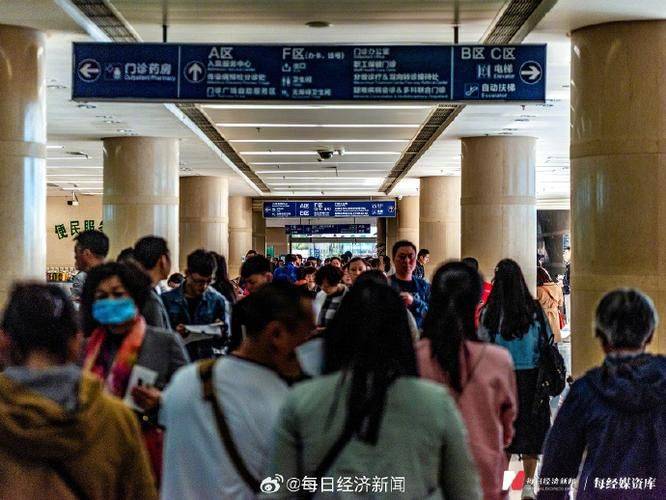
The “differentiated” treatment of health insurance claims during drug use is particularly confusing for lee tae yong. He indicated to the journalists that the conventional drug for the terminally ill with kidney cancer had been included in the guidelines for the treatment of kidney cancer and was of high priority, but that it was only available to patients with liver cancer, who could only buy it at their own expense。
"the imported lendini is about $8,000 to $9,000 a month, and i took more than five months to replace it with a cure for cancer." according to lee tae yong, he learned that liver cancer patients, whether imported or domestically produced, received a higher percentage of health insurance reimbursement, while kidney cancer patients were paid for in full。
He was even more frustrated by the fact that some of the national anti-cancer drugs were subject to very strict reimbursement restrictions. “the drug produced by the trepley and bemo souba countries is only reimbursable as a first-line treatment programme, and the second-line and subsequent treatment is entirely self-funded.” lee tae-jin told the daily economic news reporter that he had initially adopted a treatment programme for the shuni-niga-rayley monopoly, which was followed by the use of the trepley monopoly for drug substitution, and that, because of non-conformity with the first-line treatment reimbursement, each dose of 2000 was fully self-funded. “persons like me who have been treating them for many years and have changed them many times, do not benefit from the reimbursement of these drugs and are forced to bear them.”
According to lee tae-jun, while kidney cancer patients are currently eligible for reimbursement for medicines such as shunidini and asitini, most commonly used drugs, especially immuno-preventives, are at their own expense. “... Many patients use k medicine if they have a commercial insurance or if they have a family's financial capacity, and ordinary patients usually use tripley to fight alone.” he told journalists that the barriers to health insurance reimbursement had left many patients with kidney cancer in a situation of “inaccessibility of medication and treatment” and even had friends who were trying to save money by looking for liver cancer patients to buy reimbursable pendini。
From an industry perspective, the plight of patients with kidney cancer is not an example. Targeting drugs, immuno-pharmaceuticals have become central to the treatment of late-stage kidney cancer with the iterative treatment of oncology, but such drugs are often expensive and have limited coverage. Liu liang noted that the health insurance fund's “price-for-money” consideration - the total health insurance fund was limited - required to maximize health output. If a drug has an irreplaceable survival benefit from liver cancer and prices have been significantly reduced through negotiation, its “sexual value” is higher and its inclusion in reimbursement is higher。
“renal and liver cancer, for example, differ significantly in the burden of disease and clinical path. The negotiations focused on assessing the clinical value of the drug in specific cancer species (e. G. Survival gains, improved quality of life), the size of the patient population and the resulting budgetary implications of the health insurance fund.”
In interviews, journalists have learned that the main target drugs for kidney cancer, such as pesopani, architeni (target vegfr) and ivimos (target mtor), have been partially included in the catalogue through national health insurance negotiations, but there are issues such as the relative concentration of coverage mechanisms, inadequate coverage of back-line treatments and delays in clinical progress。
The original drug has not been approved for listing
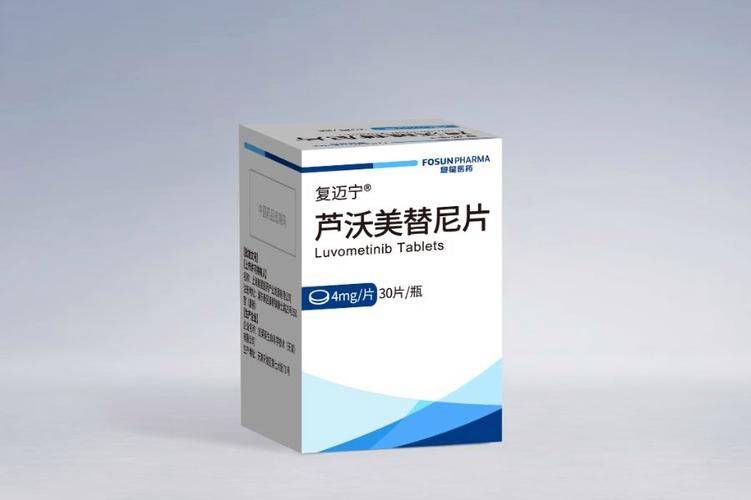
In addition to the problem of health insurance reimbursement, the fact that the original drug is not on the market in the country puts lee tae yong and a large number of kidney cancer patients in a situation where there are “guidelines and no drugs in the country”. “in the case of kaboteini, which is the key target drug for kidney cancer treatment, it was listed abroad more than a decade ago, but it has still not been approved for listing in the country.” lee tae-jin stated to the daily economic news reporter that the drug was expensive, that it cost up to $20,000 a month, and that, since the country was not listed, patients could only buy it through informal channels。
He told journalists that his own kaboteini was purchased from abroad (turkey) and transferred to the country by others, and that there was a real risk that such purchases would be illegal. “there is no formal domestic route to buy, and we have to look for drug dealers or through transfers between patients, which is actually a grey area, but in order to survive this choice”. According to li, in 2019, the shandong counterfeit drug case was linked to the illegal circulation of unlisted drugs such as kaboteini, which is still present in the group of kidney cancer patients。
Since kaboteini has not been licensed in the country, many patients have to choose generic drugs from bangladesh, india and laos, but the quality of these generic drugs is difficult to guarantee. "i've bought the bengali capoteini before, and the capsules are filled with white powder, like chalk ash, and the capsules are not well sealed, and some are broken, and the powder is scattered." lee tae-jin described to the daily economic news reporter that the manufacturing process for generics was very unsophisticated and that there was a significant gap with the original drug。
He further explained that the original drug was a compressed tablet, of small size, two for three days, and that the side effects, such as diarrhoea, were relatively minor, while the bangladeshi version of the generic medicine was of a capsule type and the process was crude, and not only the therapeutic effects were not guaranteed, but also the side effects were more evident. “it takes $20,000 a month for the original drug, and the cost of generic drugs is as much as 1,000, and the quality gap is much greater.” according to lee tae-jin, many patients, because of their limited financial means, have to opt for generic drugs, while bearing unknown risks。
“enterprises will prioritize listings in different regions according to global market potential, competitive patterns and r&d costs. If the current return on the chinese market is considered to be incompatible with the input, the declaration may be delayed.” according to liu's analysis, the regulatory authorities usually require clinical test data containing chinese patients to prove the efficacy and safety of the drug among the chinese population. This often means that multinational drug companies need to specifically include chinese patients in multi-centre clinical trials around the world, or conduct stand-alone bridging or validation trials in china, significantly prolonging the listing。
China has a high incidence of kidney cancer. Wait. Break
In addition to the problem of the drug itself, lee tae-hwan's path to treatment is fraught with difficulties. In order to treat the disease, he had fled many of the country's well-known hospitals and even went to gansu vu wei oncology hospital for treatment with heavy ions, at a cost of almost $270,000。
“the treatment of heavy ion is very effective and has little side effects, but it is too expensive for all patients to bear.” lee tae-jin told the journalist of the daily economic news that he was now receiving tom knife treatment (a state-of-the-art technique in the field of precision radiotherapy), which had the same effect as heavy ion treatment, but had significant side effects。
"i went to henan's university of economics and law, but i couldn't report because i was too weak." he indicated to journalists that it was hoped that the community would pay more attention to groups with kidney cancer and that life-saving drugs, such as kaboteini, would be put on the market in the country as soon as possible, incorporated into health insurance, eased reimbursement conditions and regulated the pharmaceutical market。
In a recent paper, yang, a urology surgeon at henan university hospital, mentioned that kidney cancer is a common malignant tumor in our urology, and that the incidence and mortality of kidney cancer in our country is at a high global level, with a heavy disease burden. Although the risk of malignant neoplasms increases with age, in recent years the incidence of malignant neoplasms among adolescents and young adults has increased and has become the focus of global attention in the field of oncology。
According to a study entitled “the rise in the incidence of kidney cancer and its clinical effects in china and globally”, published in the journal “medicals of men's urinology”, between 1990 and 2021, the incidence of kidney cancer in china rose from 1. 794 to 3. 319 per 100,000, an increase of nearly 85 per cent; the incidence increased from 7. 19 to 1775 per 100,000, a more than doubling. The incidence, incidence and death of kidney cancer in china have risen markedly, and the burden of disease continues to increase, making it a major public health threat。
According to yang, advances in diagnostics, such as video technology, have contributed to early detection and reduced short-term risk of relapse from surgery and target-oriented treatment, but have also exposed short panels, which may be related to the lack of screening at the grass-roots level leading to late detection of some cases, limited medical coverage and integrity of innovative therapies and lack of post-operative rehabilitation support。
In terms of whether the incidence of kidney cancer in the country is the same as that of lung cancer and the prospects for the treatment of drug-based kidney cancer, the beda pharmaceutical industry had earlier responded that the global incidence of kidney cancer accounted for between 2 and 3 per cent of total tumours. The incidence of malignant tumours in the urology system is second only to that of bladder cancer and is increasing year by year. The incidence of kidney cancer is increasing at an average rate of 6. 5 per cent per year, with new cases accounting for over 70 per cent in the middle and late stages. According to the information received, in june 2023, the voroneb film, an innovative drug developed by the beida pharmaceutical industry (trade name: vomena), was approved for listing as the first nationally produced type of drug to treat kidney cell cancer in china。
Liu liang's analysis suggests that, in the future, the assessment of drugs will be more oriented towards “value-based payments” as the level of precision management of health insurance funds increases and payments by disease diagnosis-related sub-groups (drgs)/disease fraction payments (dips). The harmonization of claims for “different cancers” depends on the establishment of a more accurate value assessment system and fund monitoring mechanisms at the level of certificates. In the short term, such differential payments based on clinical values and economics assessments of different adaptive evidence may remain mainstream。
Daily economic news