In response to overnight oil price movements, marketers cautioned that short-term price volatility did not mean that supply risks had been completely eliminated. As conflicts persist, global oil stocks continue to decline, and supply pressures have begun to flow from the crude oil market to asia's petrochemical chain。
Analyst: continued decline in global oil stocks
Part of the inventory is unmarketable
Cnbc 蒋钰: late in the night, the optimism of the market for a possible agreement between the us and iran rose, driving oil prices back. However, in an interview with the cnbc, senior commodity analyst jeff corey warned that the market might adjust its position in the short term to political rhetoric, but ultimately went back to the core issue of whether the actual oil supply was adequate。
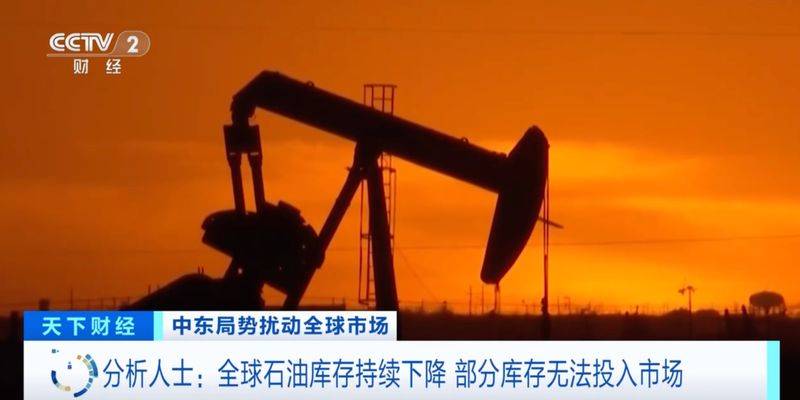
Corey noted that global oil stocks continued to decline as conflicts persisted. In the last week alone, the stock was reduced by about 17 million barrels. He also cautioned that, on the face of it, there were still about 8 billion barrels of global oil stocks, but that a significant proportion of them belonged to pipeline fillings and stocks required for system operations, which could not really be used by the market. Thus, stocks are not subject to unlimited decline, but rather to what is called the “minimum operating stock level”. According to his judgement, the asian market is close to this “minimum stock” level。
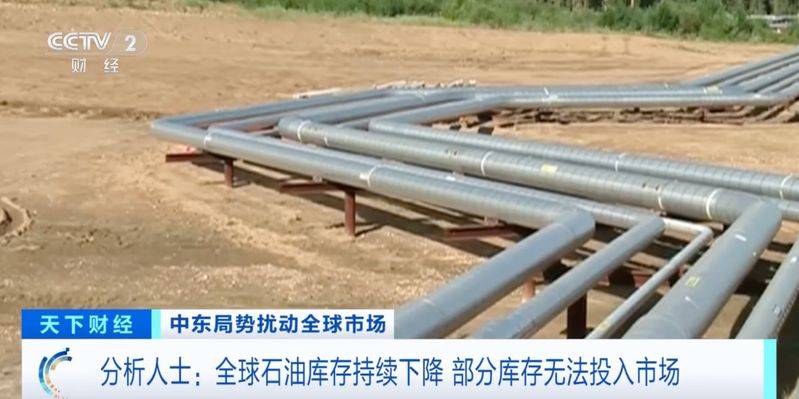
In asia, however, supply pressures are not only reflected in the crude oil market, but are also being transmitted to key raw materials after the refining of crude oil, namely, plaster. As the base material for many chemical products, plaster oil is also compared to humans and is referred to as “flour” or “rice” in the industrial sphere。
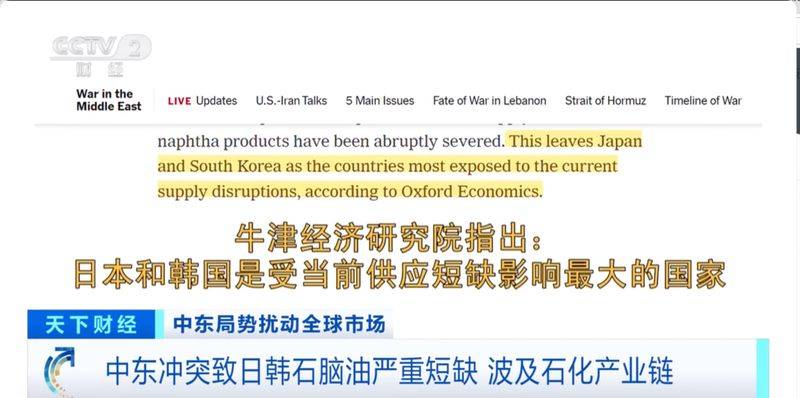
The oxford institute for economic studies, a british advisory body, noted that japan and korea were the countries most affected by the current supply shortage。
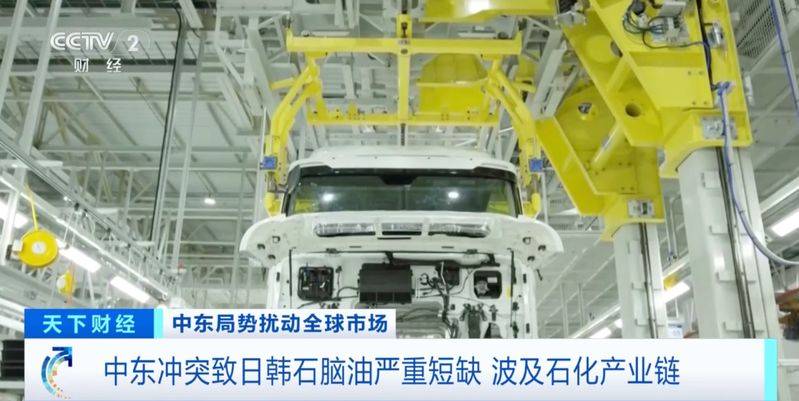
In the republic of korea, the shortage of prune oil has begun to transfer to the petrochemical chain. The new york times reported that some of the petrochemical giants in korea had been forced to reduce the construction rate significantly; some chemical producers had also been unable to deliver to large automobiles and electronics manufacturers on a regular basis owing to lack of raw materials, and had declared their deliveries to be subject to force majeure. There is also an analysis that the semiconductor industry in korea is also affected by a shortage of plaster。

At the same time, concerns about shortages are beginning to affect consumption levels, and some korean enterprises have been unable to produce chemicals for plastics on a regular basis because of the lack of raw materials for plaster. In response to the shortfall, it is known that the republic of korea has increased its imports of graphite from russia。
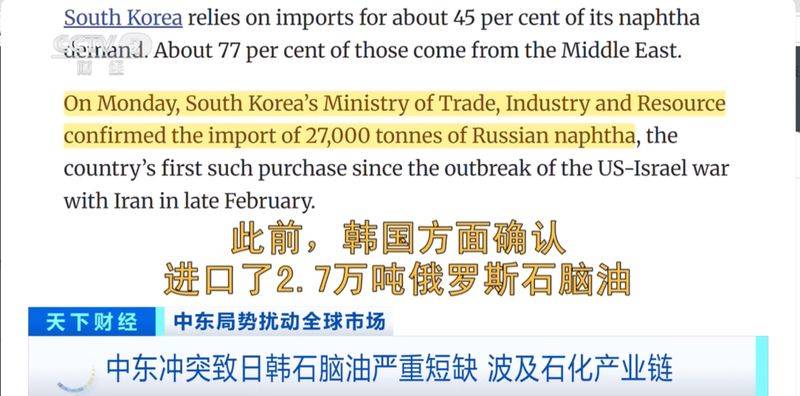
And finally back to the macro perspective. Jeff corey predicted that supply pressures in the oil market could spread gradually from asia to europe and the united states. He noted that europe currently appeared relatively stable, an important reason being the fact that some of the crude oil flowed to european markets after the united states released its strategic oil reserves, but that such external replenishment was not sustainable。
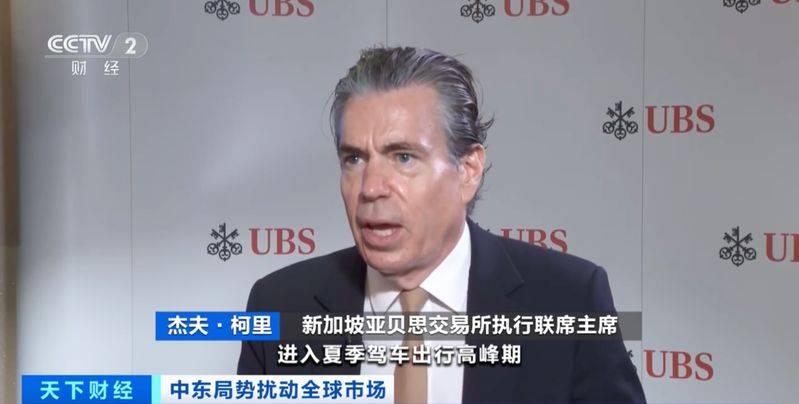
Jeff corey, executive co-chair of the abers exchange in singapore: the next step might be to influence europe, and we expect that when this public holiday is over, europe will also begin to experience problems as it enters the peak of summer driving. So my judgment is that the problems in asia are at hand, that europe may have a one-month buffer period, and that the united states may become a key risk point in july。
The holmuze strait “destruction” triggers a chain reaction
The geumbra crisis spreads across many industries in japan
In one of the countries with the greatest shortage of plaster oil as a result of the middle east war and continued “blockage” of shipping in the straits of hormuz - japan, the impact has spread to many industries。
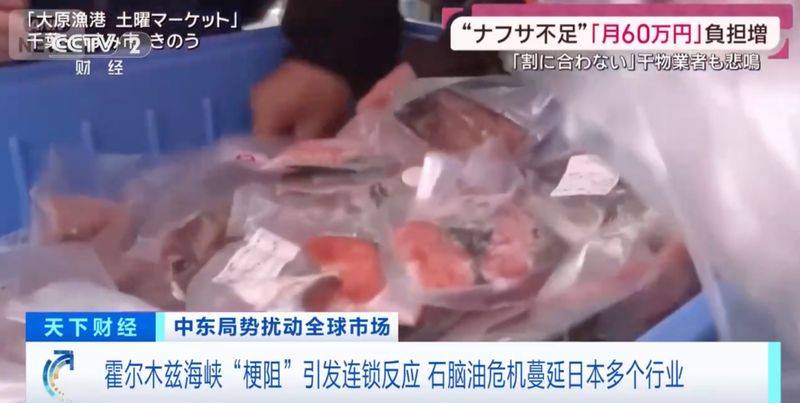
The shortage of plaster is pushing up the price of plastic packaging materials and printing ink. In a japanese fish meat-processing shop, the price of a vacuum bag, which had been around yen15 each, has now risen to around yen18. As a result of the increase in the price of packaging materials, japan began or recreated the “high price” of foodstuffs in june。
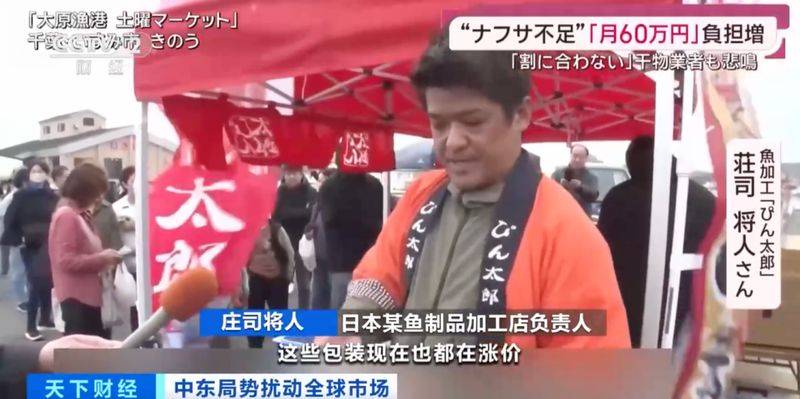
In japan, a fish-processing shop owner, the division, has taken people: fish dryers are all vacuum wrappings, and these packagings are now increasing prices, because raw materials are all on stone oil, and we're running out of business。
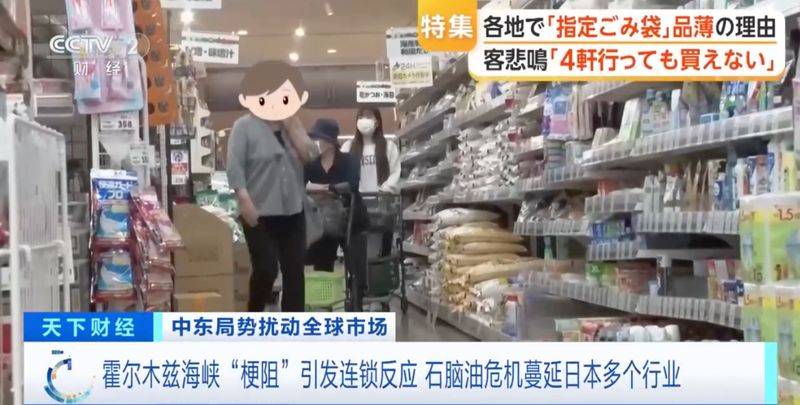
Food packaging is much more affected. In japan, the current supply of multiple waste bags is urgent, especially those designated for classification. In a designated garbage bag store in shizuoka city, there was an apology notice for the shortage of garbage bags on empty shelves。
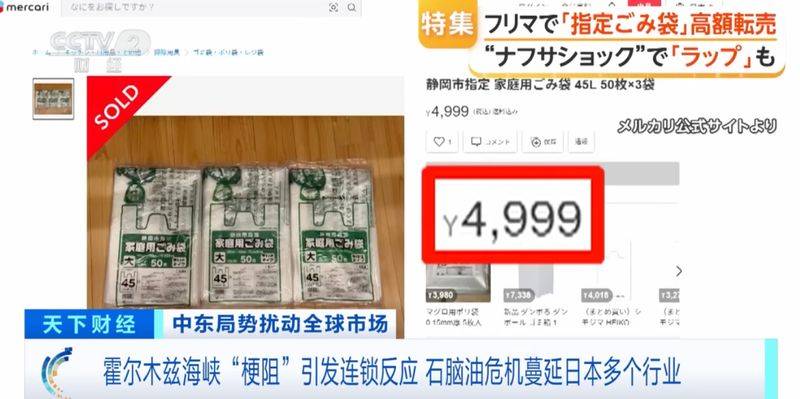
Japanese media journalists visited dozens of supermarkets, pharmacies and convenience shops in shizuoka city that sell designated garbage bags, showing that 30 out of 35 shops were sold out. On the second-hand trade website, there have been cases where specified garbage bags have been resold at high prices. There are even garbage bags at a market price of about 500 yen per unit, which are sold at a price of 5,000 yen for three bags. From 20 may, the city of shizuoka began implementing a temporary measure to allow the use of bags other than the specified garbage bags for disposal。
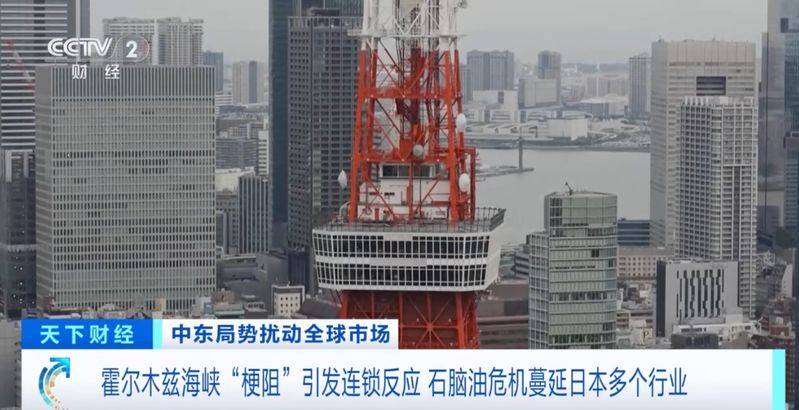
Construction materials such as thermostats, coatings and other materials used in construction are also highly dependent on plaster oil. The deterioration of the shortage of construction materials has not only contributed significantly to the cost of the project, but has also led to delays and even to the closure of many projects。
In addition, the shortage of plaster oil, which is the basic material for the production of medical supplies such as syringes, catheters, fluid bags, etc., has put pressure on the supply of medical supplies in japan. According to the government of japan data, by the end of april, there were nearly 5,000 medical facilities in japan which were in short supply。
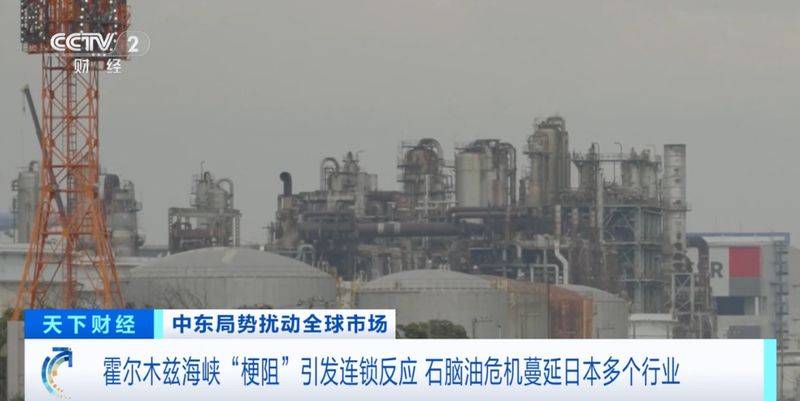
According to japanese media, the “boulder crisis” revealed the long-standing structural fragility of japan's energy and petrochemical systems. Japan's imports of crude oil and prune oil have stalled as a result of the middle east war and continued “blockage” of shipping in the strait of hormuz。