
In our childhood, the plum deer, together with the panda, the northeast tiger and the golden nebula, was first incorporated into the “protecting animals” cognitive system. It can be said that no one in china does not know a barley deer, and they are often seen in zoos。
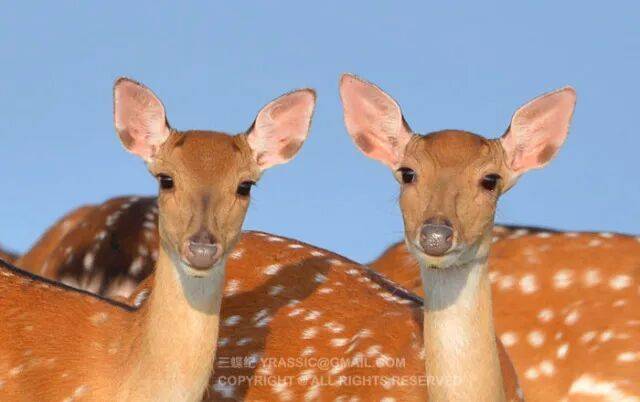
You must know the clubs. Photo by san francisco
A plum deer with a corner change every year
Cervus nippon is a medium-sized deer, which, by classification, belongs to a mammal whale like other deer animals. Adult males are approximately 1. 5 metres long and weigh about 100 kg, which is more heavy than most humans. The female is slightly smaller, without long horns。

Long horns must be the male. Photo by san francisco
It is the male plume deer with the marked large horns, which have four forks and are very powerful. Every spring, the males change their horns, with long old horns falling off, with short deer sluice. When the deer's horns grow hard and long, in the autumn, the outer deer's fur is dry and the structure inside is intact, the deer rubs his antlers on the trunks, removes the skin of the outer layer and sharpens the horns, which are their weapons of combat and defence。
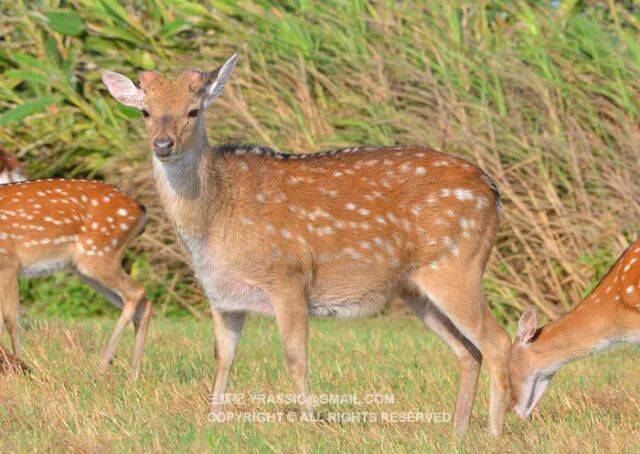
Angular deer. Photo by san francisco
Whether male or female, a deer with large and round eyes, with long ears on both sides, with long faces, long necks and long legs, appears to have a spirit and is very attractive. They are covered in white spots, such as plumes, which are also the origin of the “smelling deer”, which are said to mimic the sun spots beneath the tree. Their hair color changes according to the season and, in general, winter hair is lighter than summer hair。
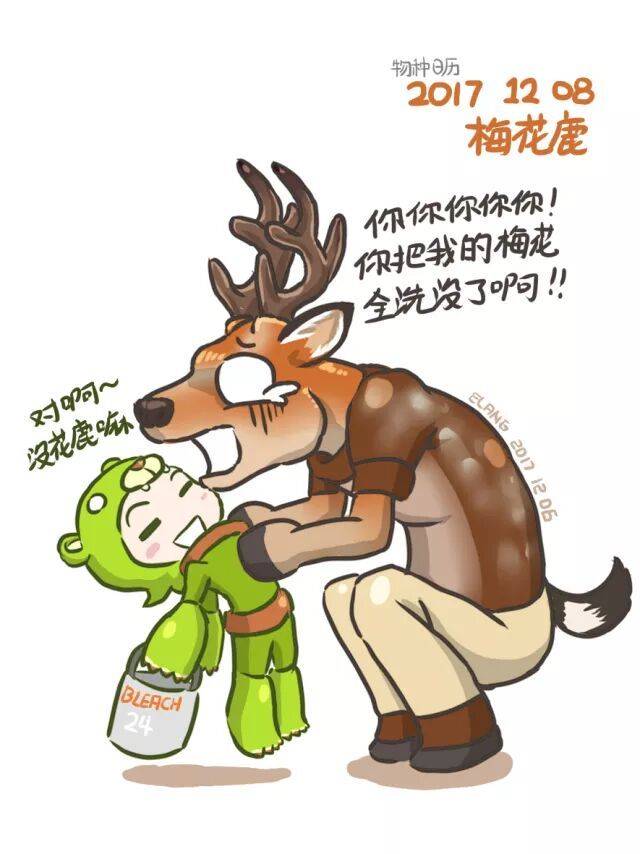
It's clubs, not "no flowers." drawing: elang wing wolf
In addition to the body spots, there are two quick identification features: two large white spots on the ass and two short tails。
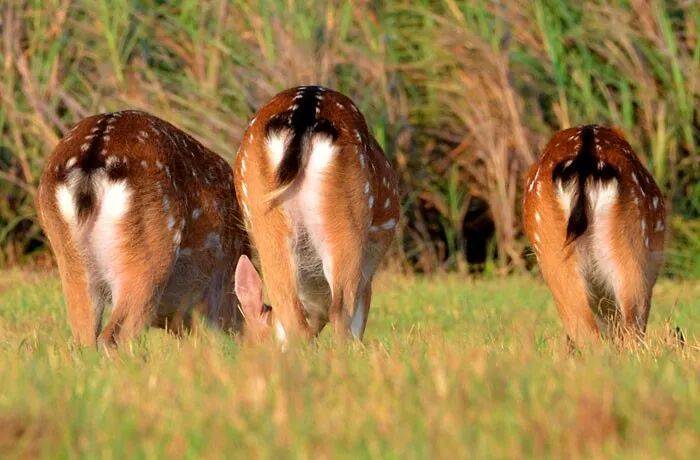
Short tails and big white spots. Photo by san francisco
A whole family
The plum deer lives in mountainous prairie areas of the confluenced forests, where the grassland environment and their ability to run quickly match. The stellar deer eats herbs, leaves and fruits, and eats like cattle, it turns back。
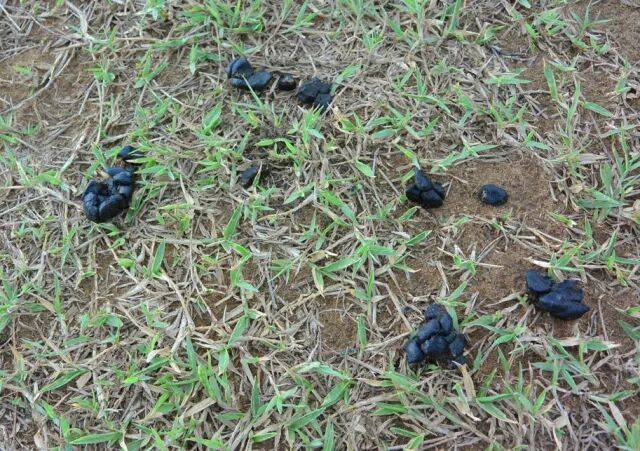
Plum deer poop. Photo by san francisco
They're alive and they have a good sense of hearing and smell, so they keep their ears up. Plum deer is also a very “timid” animal and can cause urgent cross-grafts to dissolve and cause death if suddenly frightened. There are no surprises, they are quite healthy, and the deer runs in a fast and elegant manner, and they don't talk about climbing up and down steep slopes。
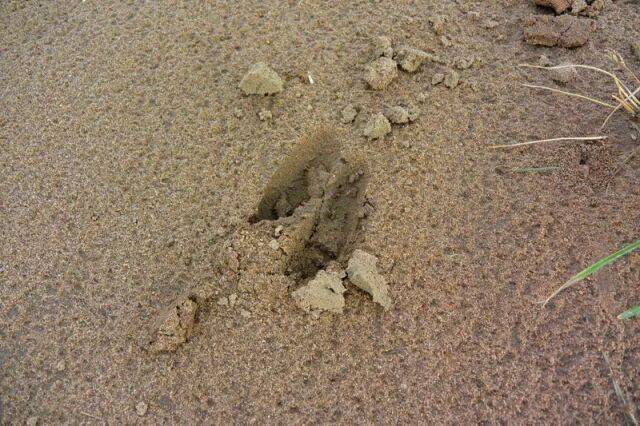
Plum deer footprints. Photo by san francisco
Plum deer prefers cluster activities, which are polygamous. Deer's 2 to 3 years old. During the reproductive period, the male sends a special call to his “posterium”. The period of pregnancy is eight months long, with one deer per child, and in very few cases two。

With a deer of family activity. Photo by san francisco
When a deer is born, the family is able to move and feed, sometimes with the family, sometimes on its own, but not too far away from the family, keeping an eye on the actions of family members and protecting their safety. Because of polygamy, there would be single men who would mess up, who would try to take the females of the family, who would be the aggressor, who would use the “head of the family” giraffe as a weapon, and who would take their opponents out。

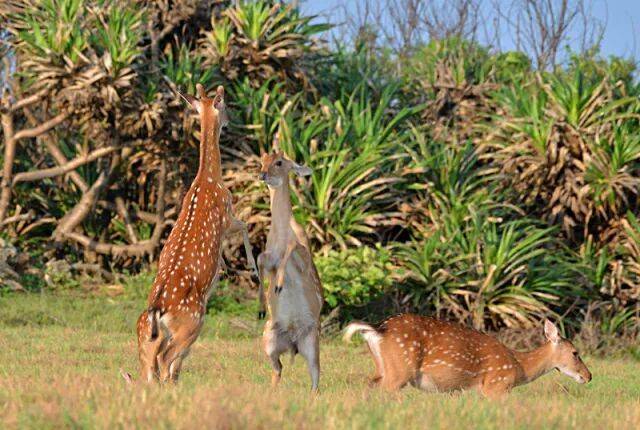
Sliding to see a fight two times. Photo by san francisco
A common but endangered deer
Plum deer is a specialty in asia, and in addition to china, it is distributed in eastern russia, japan and north korea. On the basis of geographical distribution, the deer can be divided into more than a dozen sub-species worldwide。

"look at my head."
Because of the steady and rising number of wild plum populations in russia, japan and elsewhere, the iucn red list rated the plum deer as a non-dangerous species, but the red list also pointed out that other regions, particularly china, had serious threats to the plum deer species。
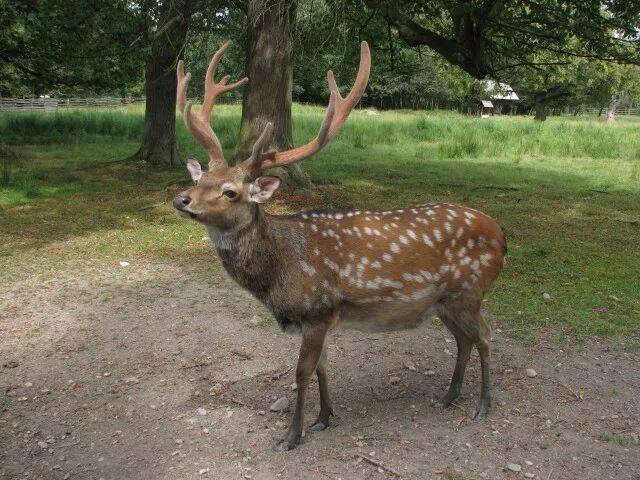
In the summer, a barley deer from czech castle Častolovice. Photo by mistvan / wiki commons
In china, c. N. Mandarinus and c. N. Grassianus may be extinct, and the rest of the sub-species are rare and threatened with extinction: the northeast asian species (c. N. Hortulurum) are much more ploughed in the chinese zoo, with controversial classification status, with wild stocks mainly located in the north east tiger national nature reserve in jilin chun; the southern asian species (c. N. Kopschi) are mainly located in the hong kong pengze national nature reserve in jiangxi, which is the largest distribution of southern chinese wild plum species (approximately 150); the largest species of the sichuanicus species are located in the iron bu natural reserve in sichuanche in sichuan; and the taiwan asian species (c. N. Taiouanus) disappeared from the taiwan wild in 1969 and was successfully re-incorporated from taipei animal park after 1986。
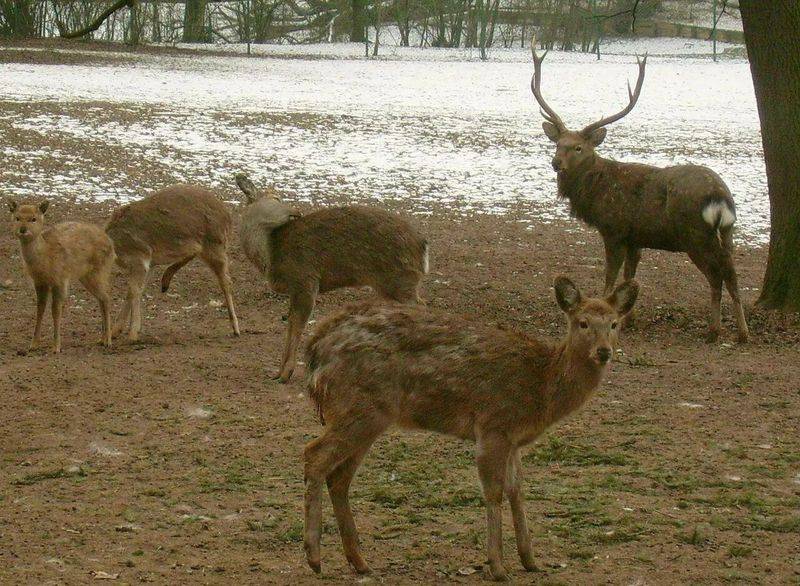
In winter, the plum deer breeds northeast asia, and the hair is darker than the hair, and it looks like "no flowers." photo by jochen ackermann / wiki commons
Today, the deer of clubs is our level of animal protection. They used to be scattered throughout china because of the destruction of forests, grasslands and indiscriminate human capture, today they remain in only a few limited areas. Traditional medicine considers deer slurry to be of pharmaceutical value and a major cause of their capture。

The deer's deer is killing them. Photo by san francisco
Author note
It is a privilege to see taiwan's plumbling herds of deer after birth in the reclamation national park, and to take some pictures of the deer's behaviour, all of which were taken at that time by the author's sanniya, with the other species showing some slight differences between the hair, spots and faces of taiwan's melons。
In addition, mr. Zhang jianxi pointed out that according to the most recent classification, there should be seven swans, a classification derived from professor colin groves, recently deceased mammalian taxonomician, ungulate taxonony。