A friend who used to walk around the digital world probably found something weird: it's also gen2, the same 8+256gb, 11 inches flat, and 6. 7 inches of flagship phones, which are sold at almost the same price — and even some are cheaper. As a matter of common sense, the flat screen is bigger, more wide, more utensils, and it should be more expensive. Why should it be sold at the same price as a mobile phone? Today, we have four dimensions, from cost, research and development, ecology, and markets, to make this matter clear, and you can buy a tablet or a cell phone and never spend any more money。
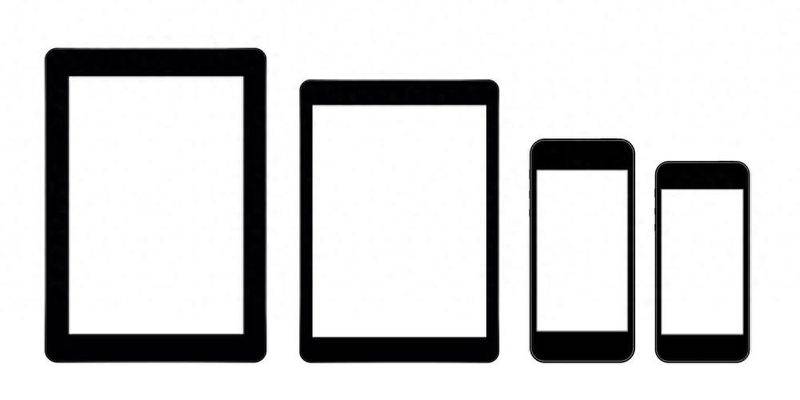
I. Hardware costs: looks bigger and expensive
Many people feel that “big tablets = high cost” are completely deceived by instinct. The cost of digital products is never measured by size, but by the complexity and unit price of the core parts. When tablets and cell phones are used with identical chips, same memory, it looks like configuration, and the cost gap is hidden in invisible details。
First, look at the core of the communication module, which is the largest cost of mobile phones and the least expensive place for tablets. A flagship mobile phone to support 5g full-network, sub-6ghz, millimetre wave (part of machine), 4x4 mimo antenna, wi-fi 6e, bluetooth 5. 3, nfc, gps multi-star positioning, a base belt + radio frequency + antenna at a cost of at least $300-500. The high-end machine is designed to stabilize the signal by debugging dozens of antenna designs, and the base belt is subject to the patent authorization of takatung, undc, and each mobile phone is subject to a patent fee。
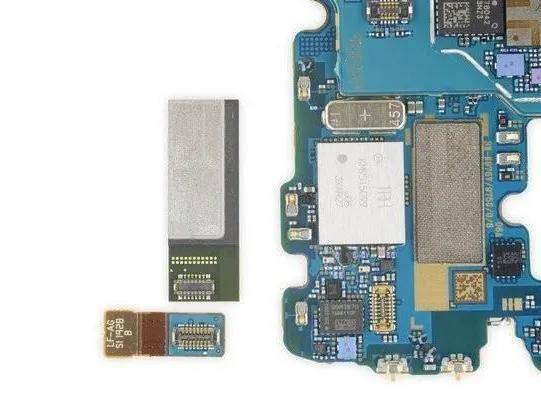
And the tablet? The vast majority of the tablets are wi-fi, with a total cut of 5 g-based bands, with only the base wi-fi and bluetooth retained at a direct cost of $300. Even a 5g tablet is mostly a “reduced version”: it does not support millimeter waves, halves the number of antennas, does not support double cards, and the patent authorization fee is significantly lower than that of mobile phones. After all, the flat tablets do not have to make phone calls, brush traffic, communication requirements are far lower than mobile phones, and this is a direct “screen price difference”。
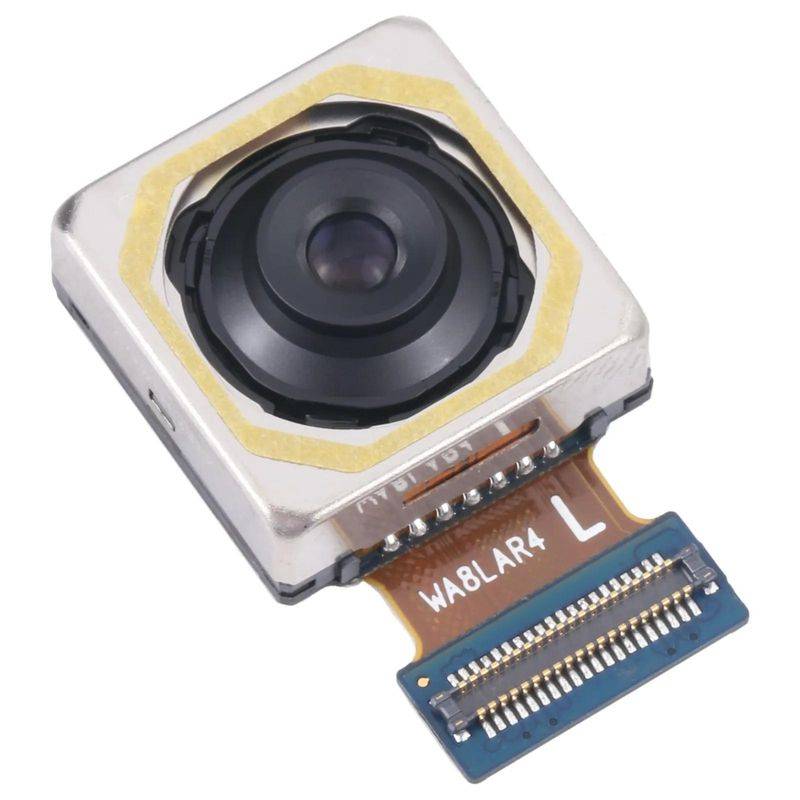
And look at the camera system, it's another high-cost black hole in the cell phone, and the tablet is “very simple”. The current flagship cell phone, with three-to-four shots behind it, is marked with one inch of big bottom, hyperwide angle, long focus, periscope lenses, plus ois optical tremors, laser focus, video chips, a set of camera modeling instincts up to $500-800. Cameras like iphone 15 pro max cost almost 20% of the whole machine, 10 times more than the screen in 10 years。
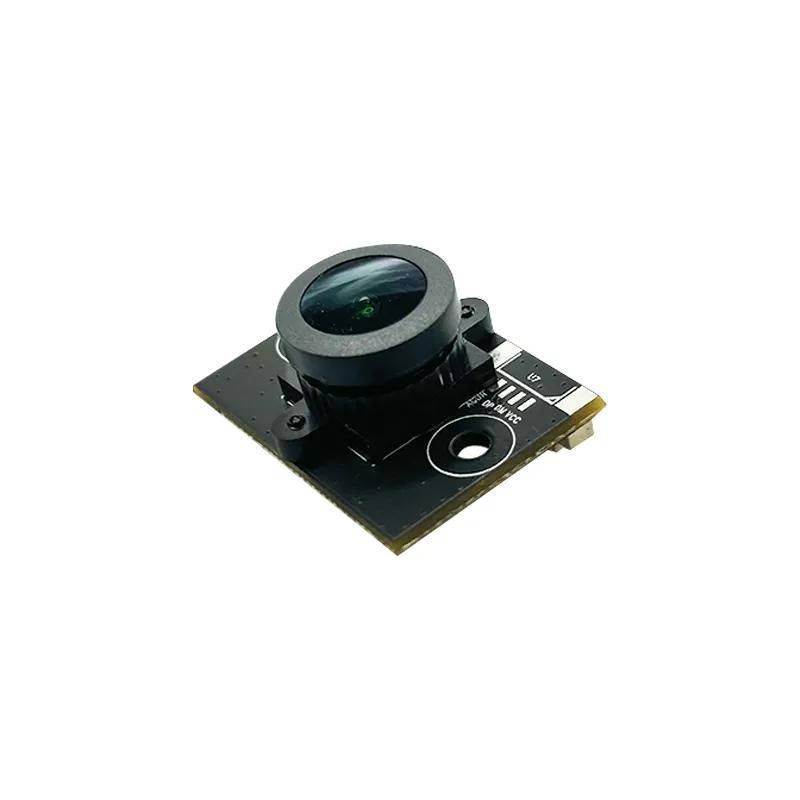
A tablet camera? It's basically a sweep level. The rear order is high, with 8 million or 13 million pixels, with no tremors, no focus, with 5 million pieces ahead and a full camera at no more than 100 dollars. Nobody shoots the tablets at night, shoots the focus, shoots the vlog, and the producers don't invest in it. Also configured, mobile cameras are 500+ more expensive than tablets, and the difference is sufficient to cover the costs of larger screens。
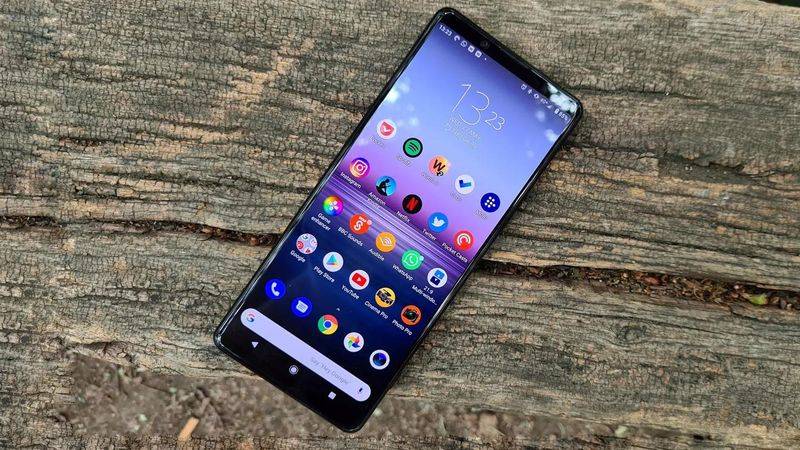
Then there is the cost of the screen, which appears to be larger, and the actual unit price is not necessarily higher. Mobile phone screens are "high-precision custom": 2k+ resolution, 120hz ltpo self-adapted refreshing rate, 1-120hz ungraded rate, high-frequency pwm luminous, under-screen fingerprinting, peak brightness 2,600nit+, with very narrow frames, curve screens, folding screens, each of which is technical and cost. A 6. 7-inch old screen of the flagship phone can cost us$ 80-105 (approximately us$ 600-700)。
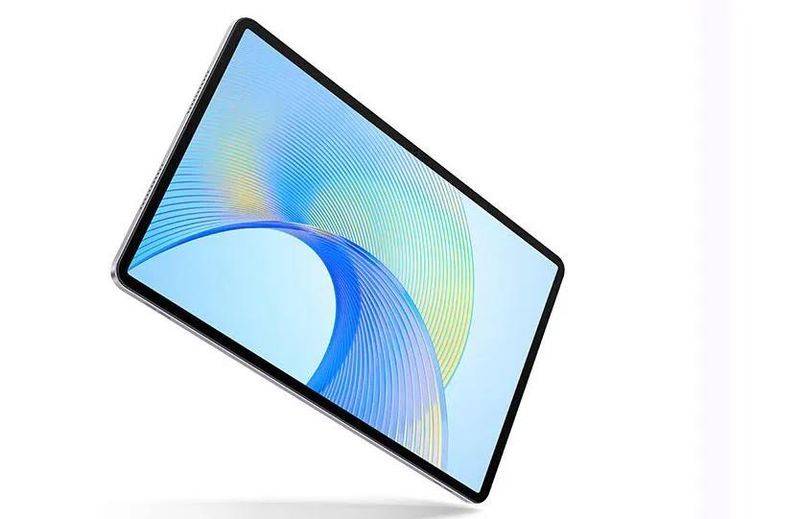
The tablet screen is the "standard version of a large screen": 11-inch lcd or oled, with a resolution of 2. 5k, but without ltpo, without a screen fingerprint, with a lower brightness requirement (general 1000-1500nit), and with a wider border, without making it very thin. The larger size is based on "magnification panel" rather than "plus technology" and the cost increases are far from as high as expected. For example, the 11-inch tablet lcd screen costs about $70-90 (about $500-650), similar to, and even cheaper than, the 6. 7-inch oled screen。
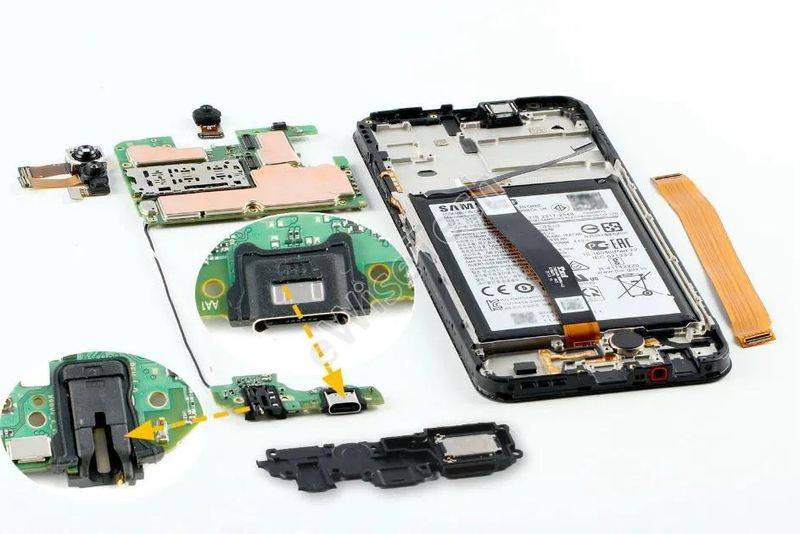
There are also internal structures and processes, mobile phones are "domains in screw shells" and tablets are "extreme layers". Cellular forts are equipped with large batteries, three-gauge, wireless charge, symmetrical doubles, linear motors, with a thickness of about 8 mm and a mass of about 200 g, internal stacking of up to 0. 1 mm and extremely difficult to open and assemble. The flat-bed space, the battery, the main panel, the loudspeaker, it's not very tight, it's simple to assemble, it's cheaper to work for. – the ipad's assembly fee is only $11. 2 per unit, far lower than the cell phone。
R & d and ecology: cell phones are “all-power players” and tablets are “special progeny”
The cost gap is not just hardware, research and development and ecological inputs, but also cell phones and panels. Cell phones are “whole terminals” that combine communications, images, games, portables, and re-carrying, with research and development inputs in astronomical numbers; tablets are “simplified versions of large mobile phones” and re-use mobile phones are developed at a direct cost of half。
First, research and development inputs. A flagship mobile phone, with a research and development cycle of 18-24 months, invested over $1 billion. Chip appliance, system optimization, signal debugging, video algorithms, heat dispersion design, water protection against dust (ip68), anti-default testing, and hundreds of thousands of patent layouts. For example, in the case of gotong tyrone 8 gen3, r & d costs more than $300 million, and r & d costs can be absorbed only if mobile phone deliveries are significant (in the order of the year)。
And tablet development? Direct copying. The chip is identical to a cell phone, and the system is a flat-formatted version of the mobile phone system, with an internal structure that streamlines mobile phone design, with a development cycle of 6 to 12 months and input to one third-1/5 of mobile phones only. Without complex telecommunications debugging, video algorithms, with little, no ip68 waterproofing, most of the work is “magnification + simplification” and research and development costs are too low。
And there's software ecology, mobile phones are ecological cores, tablets are ecological attachments. Mobile phones have a large appliance of aps, with manufacturers having systems upgrades, safety patches, functional appliances, 5-7 years of maintenance; tablets have a small number of aps, many amplified, simple, system maintenance cycles (3-5 years), and ecological maintenance costs are much lower than mobile phones。
Market positioning and sales: mobile phone movements for profit, tablet capture share
Why is there a difference in cost, and the price is even? The key is market positioning and sales strategies, with mobile phones as a “profit cow” for manufacturers, tablets as a “supplementation product”, and pricing logic。
The cell phone is just needed + high profit + taker. Everyone needs mobile phones, with an annual volume of over 1 billion, the largest market in the digital sector. The high profit margins from mobile phones support r & d, marketing and sale, with a high-end profit margin of over 50 per cent. Cell phones are expensive and priced, even at higher costs, in order to get high markets。
The tablet is a non-negative + low profit + share battle. The tablet is a “supplement” for mobile phones and notebooks, not essential, with only over 100 million annual deliveries and still falling. Users buy tablets, mainly theatre, study, light office, are sensitive to prices, and no one wants to spend thousands more on “large cell phones”. The producers make tablets to improve the ecology, rob users and block opponents, and do not expect to earn a lot of money to keep their money and share。
So the same configuration is that mobile phones sell 4999, and tablets sell only 2999-3999 - not the tablet costs are low, but the market does not allow it to sell at high prices. Users felt that “the tablet should be much more expensive”, but the market voted with its feet: no one bought it, but the same or even cheaper cell phone。
Iv. Comparison: what is the difference between the cost and the deployment of tablets vs
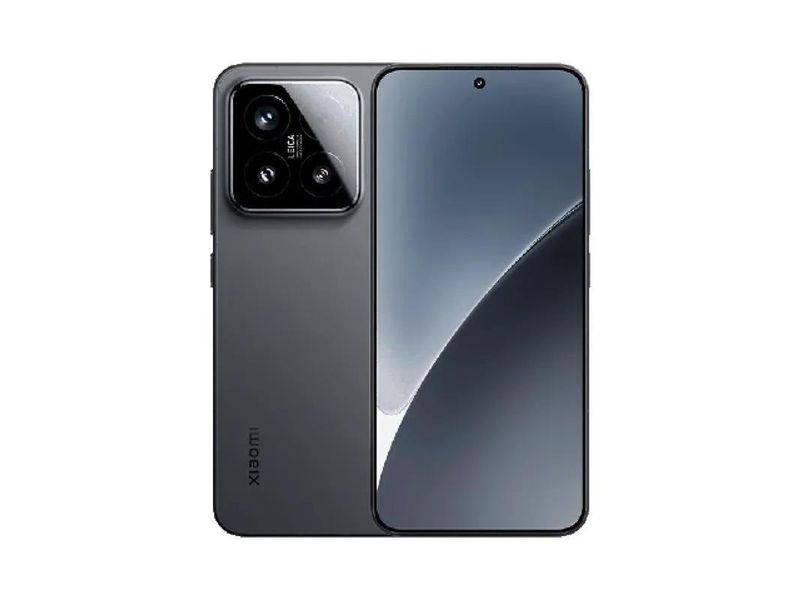
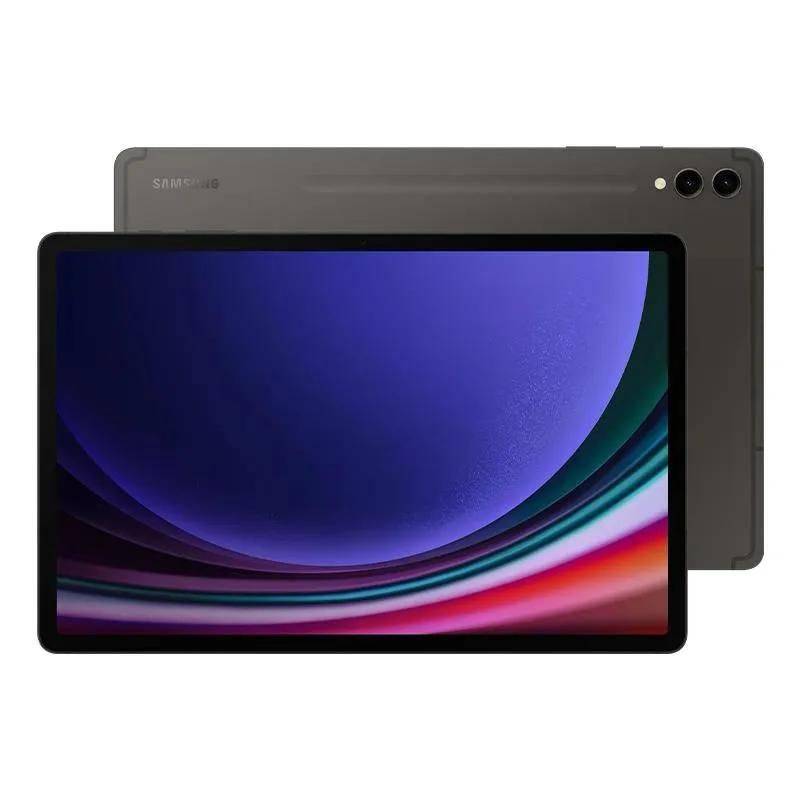
Examples of mainstream machines in 2026 are: mi15 (8 gen2, 8+256gb, 6. 36 inches) at $3999; mi tablet 6s pro (8 gen2, 8+256gb, 11 inches) at $3299. The same core configuration, with a flat tablet of 700 bucks, shows a clear cost gap。
The cost of dismantling is as follows: mi15 communications module 350, camera module 550, screen 650, patent 300; tablet 6s pro communication module 0 (wi-fi version), camera module 80, screen 600, patent 100. Communications and cameras alone save tablets $720 compared to mobile phones, enough to cover larger screens, larger airframes and cheaper to sell。
V. Before buying, look at the tablets and the cell phones. How can you choose not to step on the pit
It's clear when you see the cost gap:
1. Cell phones: the pursuit of portables, communications, images, all-powerful experiences, adequate budgets, choice of flagship mobile phones, expensive logic, communications, cameras, crafts and ecology are the highest。
Tablets: primarily theatre, study, light work, large screen experience, limited budget, flatboards — also cheaper, better screens, full value for money。
The pit avoidance cautions against paying for the “big screen premium” of the tablet, which is more expensive than a cell phone, and is definitely an iq tax, and against relying on the tablet as an alternative to a mobile phone, which is far too poor to be supplemented by communications, cameras and portables。
Summary
The tablet is larger than a mobile phone at the same price and is not a manufacturer's “conscience” and is determined by three factors: cost structure, research and development inputs, and market positioning. Cell phones are expensive, full power, demand, high r & d, high profits; tablets are cheap, and they are simplified, non-negative, low r & d, low share。
One sentence: to choose, not to choose. Daily follow-up, cell phone selection; big screen entertainment, tablet selection. Disparities are clear so that the products that are best suited to one's own needs can be bought instead of being unjust。
Discussion: do you usually use more tablets or more phones? Have you ever bought an overpriced tablet that feels like stepping on a pit? Welcome to the comment section to share your experience