The fed's interest rate was raised, the global market was strained, and once the interest rate fell, the capital was revalued。
It is common to hear in the news that the “25 reference points” “50 reference points” (0. 01 per cent) represent a 0. 25 per cent reduction in interest rates。
For example, the discount rate fell from 4 per cent to 3. 75 per cent, representing a decline of 25 reference points。
In the united states financial system, banks have financial inflows and outflows on a daily basis. At the same time, bank lending operations are carried out among banks to achieve rational allocation and efficient use of funds。
At a time when there is sufficient funds, borrowing rates are usually low, and when funds are strained, borrowing rates rise accordingly. This is the dynamic correlation between demand for and supply of funds and borrowing rates。

In financial markets, it is normal that market supply and demand shape fluctuations in interest rates. The change in supply-demand relationship is like an invisible hand, which constantly drives up and down interest rates and reflects market dynamics and balances。
The central role of the fed is to use tools to “box” market interest rates within the desired range rather than directly set prices。
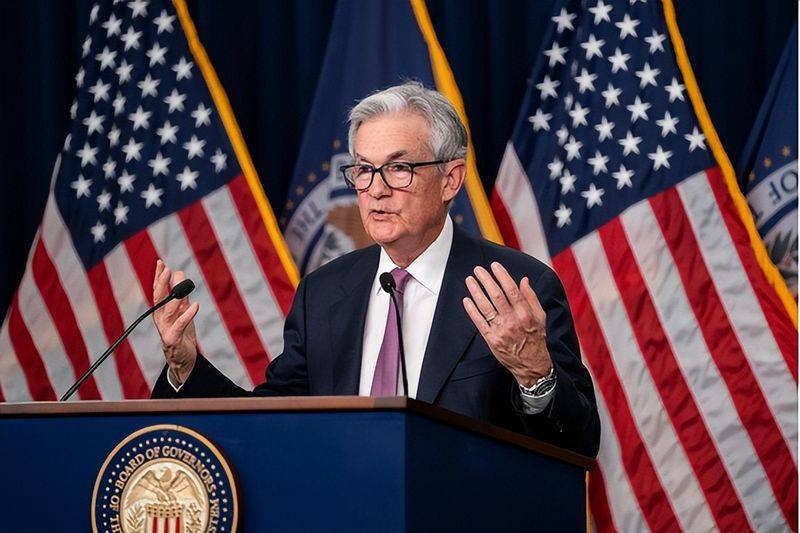
The interest rate on reserve balances is one of the most common instruments used by the fed. This instrument plays an important role in the fed’s monetary policy operations, with a significant impact on financial market stability and economic development。
The banks deposit excess funds into the fed, for which interest is paid by the fed. In the case of 3. 65 per cent, this interest rate reflects the return on bank funds under a specific storage model, as well as the logic of financial flows within the financial system。
This places a floor on market interest rates, and banks would prefer to deposit them in the fed if market interest rates were below that level。
Similar instruments exist in non-bank institutions — overnight reverse purchase agreements, whereby securities firms, imf and others can place funds in the fed at an interest rate of about 3. 5 per cent, creating a market floor for short-term interest rates。
In order to cap interest rates, the fed has introduced ad hoc stand-by buy-back facilitation measures. This initiative aims to regulate markets, stabilize the financial environment and contribute to the orderly development of the economy。
Financial institutions may obtain short-term funds from the fed on the basis of united states treasury bonds or high-quality assets at an interest rate of about 3. 75 per cent。
When market interest rates are higher than specified levels, financial institutions are more inclined to seek borrowing from the fed. In this way, the fed can effectively absorb excess funds in the market and thus regulate market liquidity。
With the help of reserve interest rates and reverse buy-back instruments, caps are set in the form of standing buy-back facilities, so that federal fund interest rates can remain stable and stable within policy zones, ensuring that financial markets are stable and orderly。
For example, the real borrowing rate fell to about 3. 62 per cent, indicating that the market rate operated in the target zone。
Thus, the interest rate hike or reduction mentioned in the news is by its very nature the result of the federal reserve's influence on the prices of market funds through the interest rate instrument, rather than an in-house slogan。
The economy is normal and the fed uses the interest rate instrument to regulate liquidity。
When the economy is overheated and inflationary pressures are accentuated, higher interest rates drive up the cost of finance and effectively discourage borrowing and investment; and at a time of weak economies and tight finance, interest rates are reduced like catalysts that stimulate financing dynamism and consumer enthusiasm。
When the financial crisis erupted, reliance on interest rate adjustments alone was often not effective. Financial markets have become volatile, crises have taken place, and a single instrument of interest rate regulation has tended to appear weak in the face of complex situations。
The federal reserve uses non-conventional instruments — quantitative easing (qe) and quantitative austerity (qt) — when markets are short of money, banks are afraid to borrow, business finance is difficult and asset prices are volatile。
Quantitative easing can be described as a “water release”. The fed’s large-scale acquisition of us treasury bonds and mortgage-backed securities (mbs) was just like the opening of a flood and the constant injection of liquidity into the market to regulate economic dynamics。
The purchase operation was not a carry-over, but an increase in reserves in the financial system to allow funds to flow into the market。
Mbs is used to supplement liquidity by packaging the proceeds of mortgage repayment into financial products。
Quantitative austerity, on the contrary, has been accompanied by the federal reserve's suspension of debt purchases, or by the maturity of its holdings, the recovery of liquidity from markets and the tightening of economic overheating and asset bubbles。
The fed will continue to apply the expected management of its policies. It influences the decision-making of market participants, and thus the regulation and stability of the economy, through the desired direction of future policy direction。
Financial markets adjust their investment and financing behaviour accordingly if they disclose in advance to the market the likely number of future interest rates raised or reduced, or suggest that policies will continue to tighten。
This “first-through” approach is itself a regulatory tool。
Unlike ordinary national central banks, which focus on local currency management, the fed is unique. The us federal reserve has a different pattern of functions than the general central bank, which focuses on its own currency。
The united states dollar, the main clearing currency for global trade, holds a key place in the international economic arena. At the same time, united states treasury debt has become an important option for many national reserve assets, profoundly affecting global financial patterns。
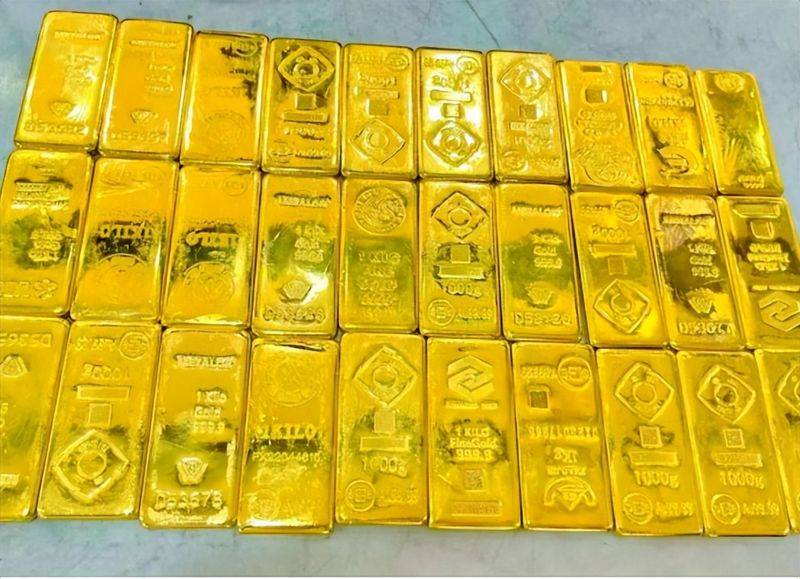
The fed has a slight movement that has implications that go beyond united states loan rates. It was also like an invisible giant, leading to global capital flows, exchange rate fluctuations, gold movements and commodity prices, while at the same time increasing debt pressures on countries。

At the time of the interest rate hike, the dollar's return on assets rose, attracting capital flows back to the united states, boosting the dollar's strength and undermining other currencies; the interest rate decline would increase the dollar's liquidity, either to emerging markets, equities, gold and commodities。
Oil prices, gold, united states debt, stock markets are linked to fed policies, but the impact is complex and not simple。
The dollar serves the united states economy and contributes to global trade. However, this dual identity has highlighted contradictions and has complex implications for the economic landscape。
The federal reserve is relatively independent。
The united states government could express policy preferences but could not directly order increases or reductions。
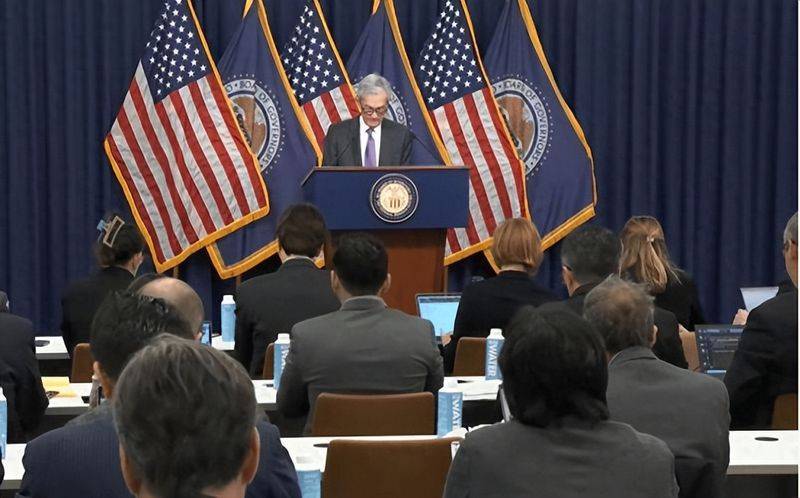
It is the decision-making system within the fed and the commission that truly controls the direction of voting. They play a decisive role in key choices and shape the final course of decisions。
The judgement of the chairperson and the members on inflation, employment, growth and financial risk will directly influence the direction of interest rates。
The central logic of the fed is one: the market is too much, and the market is too little, so let go。
As the dollar is central to the global financial system, this “receiving and releasing” affects not only the united states itself, but also global capital and trade。