After entering the three voltages, many koreans like to drink chicken soup. Before the ambush, a chicken soup shop in seoul raised the price of chicken soup from a bowl of 16,000 won (us$ 1 or approximately 1379) to 18,000 won for years. The owner of the shop, sun heung-gu, said: “recently, chicken prices have increased, vegetables have become expensive, and our chicken soup has had to be adjusted upwards.”
According to a recent report issued by the korea institute for rural economics, the price of korean meat chicken production in july was 1954 won per kilogram, an increase of 25 per cent over the same period last year, and the wholesale price of watermelon was 3,300 won per kilogram, an increase of 45. 4 per cent over the previous year. Also, according to recent data published by the korean agro-aquaculture food circulation society, retail prices for tomatoes rose significantly in july, to 6716 won per kilogram, an increase of 42. 6 per cent over the same period; retail prices for cabbage were 6114 won per tree, an increase of 11. 2 per cent over the same period; and prices for season fruit and peach were 21133 won per 10, a rise of 25. 1 per cent over the same period。
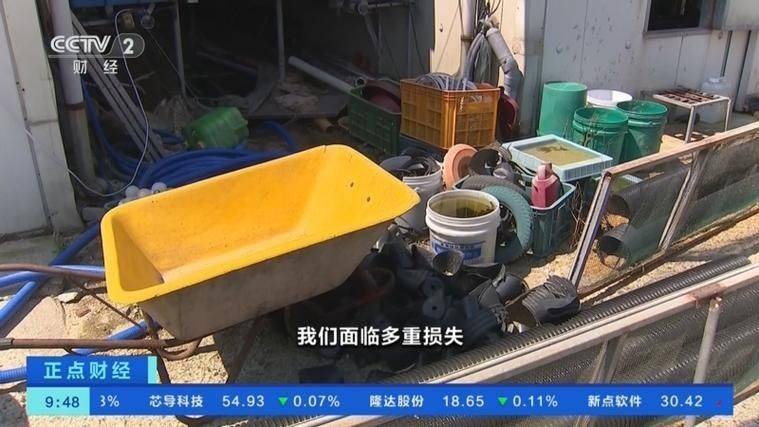
The korean government believes that extreme weather events such as the heat and heavy rains experienced in south korea in july are an important factor in the rapid rise in agricultural prices. In july this year, south korea's high-temperature and cool summer days stood at 13. 5 days, more than three times the same period last year, and prolonged summer weather has led to a significant reduction in production of major vegetables, such as spinach and cabbage. From 16 to 20 july, successive heavy rains flooded more than 29,000 hectares of agricultural land in korea, causing severe damage to fruit and vegetables such as watermelons, grapes, peppers and onions. According to recent reports issued by the korean ministry of agriculture, forestry and food, as of 1 august, the heat had caused the deaths of 1. 24 million chickens, 160,000 ducks and other poultry in korea; heavy rains had caused the deaths of 1. 57 million chickens and 180,000 ducks and other poultry。
The rising prices of agricultural products have significantly increased the burden of living for the korean population. The july price data released by the korea statistical office on 11 august show that although the overall consumer price index (cpi) increased by 2. 1 per cent over the same period, the price index for food and non-alcoholic beverages increased by 3. 5 per cent over the same period. Seoul’s citizens swimming, and to journalists, stated that while published statistics show that overall prices are not rising much, the agricultural products that people often buy in their daily lives are indeed expensive, and it is felt that the cost of living has increased considerably. “we also now have the will to reduce out-of-house meals and buy high-priced fruits, and to spend the money where it is more needed.” lou swimming and say。
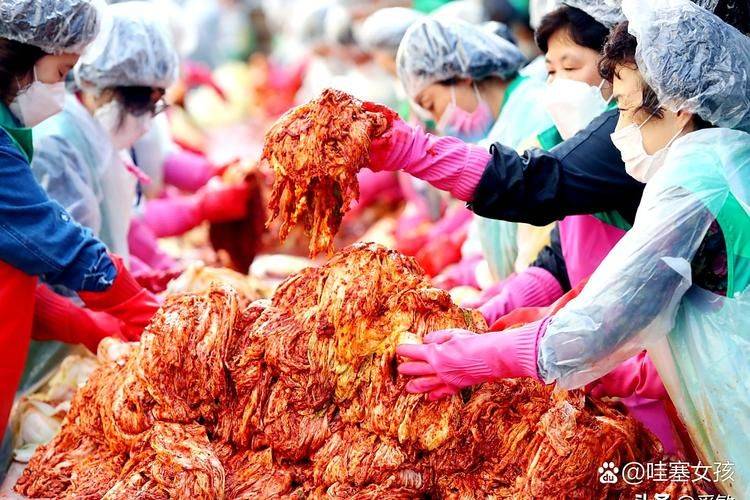
The korea institute for rural economic research (krae) predicts that the overall supply of korean agricultural products has declined due to extreme weather events such as high temperatures and heavy rains in july, and that prices are expected to continue to rise in august. To that end, the korean ministry of enterprise finance has recently issued a series of price stabilization measures, including a doubling of the daily supply of government cabbage from july to 200 to 300 tons; the introduction of preferential price subsidies for fruit and vegetables, such as watermelons, which are more affected by extreme weather conditions; the acceleration of the chicken import approval process, with a further increase in imports in mid-august, based on the completion of 4,000 tons by the end of july; and the implementation of up to 50 per cent discounts on water products from 28 july to 21 august, in cooperation with 44 on-line and off-line logistics enterprises。
According to prof. Kim sang-hyeong, professor of economics, seoul university, korea, the rise in prices of agricultural products directly related to livelihoods has put a substantial strain on consumer life. Future governments need to address price increases systematically from the multiple dimensions of logistics system reform and supply chain optimization. (reporter, 9 o'clock)
Daily people's journal (14th ed., 2025)