During the 5-1 holiday period, the trade in rabbits and rabbits gradually warms up. Many feel that rabbits are investing in small, short-term, low-threshold, trying to get into water, and that there are old breeders who struggle with the addition, expansion or conservative observation. This article, which is unpaved, free of chicken soup, free of exaggeration, uses only data on real market prices, real costs, first-line farming and subsistence rates, describes the current situation in the rabbit industry in 2026, the profit space, the feasibility of entering the business, the suitability of new hands to avoid pits, the adaptation of old hands to the planning process, all of which are verifiable facts, so that you can judge with precision whether or not you should。
I. Real markets for rabbits and rabbits in may 2026
The current rabbit market is free of net gains, and there is no outright loss, as some claim, and the whole is in a state of smooth operation, high-quality prices, decomposition, price distinctions are so obvious that no newer is misled by false quotations。
1. Real prices for meat rabbits in merchandise
The dominant 3-4-pound-sized meat rabbit, which is the dominant market, has stabilized at a national average of 5. 5-7 pounds, with a single selling price of 18-28 dollars. Among them, high-quality rabbits of symmetrical, glitter-skin-skin-free, disease-free, can touch the high price of 6. 5-7 yuan/kg; second-hand rabbits of small size, thinness, tear marks and abnormal faeces can only be sold to $5-55/kg, or even to some vendors who refuse to accept directly, can only be processed at low prices to small workshops。
The elimination of adult and old rabbits at a uniform price of $3-4 per pound is essentially a claim processing process, mainly for the clean-up of stocks and reduction of feed consumption, with no profit。
2. Real bargain for rabbit markets
High-quality three-to-five-month-old young female rabbits, strong, stable reproductive and non-genetic defects, $80-120 per child; common commodity rabbits, small-sized and low-reproduction rates, $50-70 per woman, not recommended for purchase。
The demand is higher, the quality of the rabbits is 150 to 200 yuan each, and it must be ensured that blood, disease-free and well-supplied, that the quality of rabbits directly determines the pregnancy rate of the mother and the survival rate of the young rabbits, and that they must not be chosen cheaply。
3. Current situation in the hare and pet rabbit markets
Common hare hair, with market prices ranging from 25 to 35 yuan per pound, is highly volatile by market demand, with long farming cycles and uncertain returns, and is not suitable for seeding; high-quality hare hair can reach 40 yuan per pound, but the demand for breeding techniques, feed nutrition is extremely high and it is difficult for ordinary farmers to meet the standard。
The pet rabbit market is small, relies on online and offline distribution channels, does not stabilize customers, does not recommend entry, and is prone to de-marketing and barging。
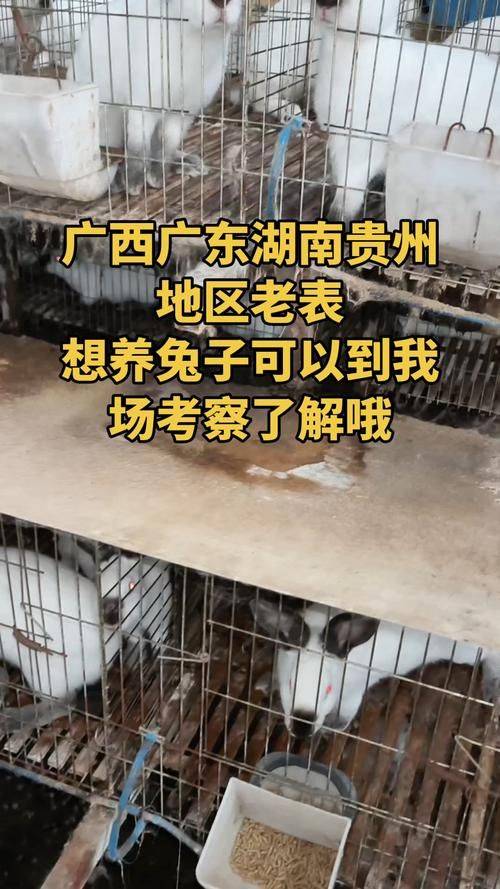
Ii. Real cost investment of nurized rabbits (twenty female rabbits start, no falsely high)
It is true that many people say that rabbits can start with thousands of dollars, but all hidden costs must be accounted for, not just superficial inputs. The following are the real start-up costs of 20 female rabbits and two male rabbits, without exaggeration or concealment。
1. Hardware facility costs
The rabbit cage chooses an economic-type zinc cage, with 22 groups of rabbit cages + accompaniment box, sink, drinking water, for a total of $2200; the rookie does not recommend the purchase of a new high-quality rabbit cage, which will save half the cost of a second-hand compliant rabbit cage, provided that it is clean and clean。
Site retrofitting: use of unoccupied courtyards, old houses, simple ventilation, tideproofing, ratproofing, at a cost of $300; no need to build specialized plants to avoid overloading。
2. Acquisition cost of rabbits
Twenty high-quality young female rabbits + two high-quality male rabbits at an average cost of $100 per female rabbit and 180 per male rabbit, totalling $2360, are determined not to buy low-priced, low-cost, low-cost, low-yield rabbits, and suffer from post-reproduction and disease。
3. Pre-harvest, medical costs
Initial feed: purchase of professional rabbits at full price, reserve of one month's usage at a cost of $600, non-advisment of self-assembly feed, unreasonable matchmaking of new hands, and high risk of rabbits becoming thinner and slow to grow。
Vaccines + standing medicines: rabbit plague, bacillus, wei wei sow, pyramids, enterics, anti-inflammatory drugs, amounting to 450 yuan, which cannot be saved and is a central input to life。
4. Other back-up costs
Reserves of $300 for utilities, gaskets and disinfectants, total initial inputs: 2200 + 300 + 2360 + 600 + 450 + 300 = 6210, starting from 6,000, fully meeting the input threshold for rural by-product farming, with no threshold of tens of thousands。
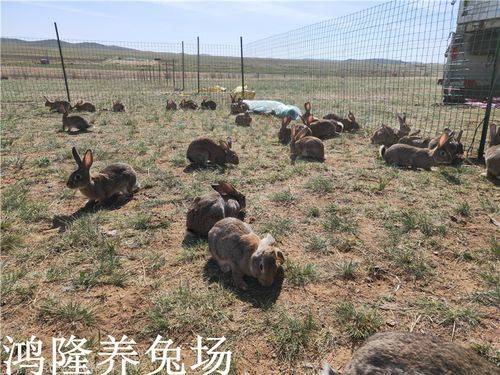
Iii. Accounting for real profits of 20 female rabbits (new hands, no windfall)
The profit core for rabbits is seen as living, reproduction and feed costs, and new breeders are not skilled and cannot be counted according to idealized data, and the following are real breeders' data without any exaggeration。
1. Reproduction and exit data
A high-quality female rabbit, who normally reproduces five to six nests a year, with 6 to 8 children per bed, is technically and managerially affected by new farming, with 70 to 80 per cent survival rates for young rabbits, well below the survival rates for older workers of more than 90 per cent。
Twenty female rabbits, with about 550-650 meat rabbits for each year's export, at a median value of 600, weighs 3. 5 pounds, at an average price of 6. 2 yuan per pound, and total sales income of 600 x 3. 5 x 6. 2 = 13020 yuan。
2. Year-round rearing costs
Forage consumption throughout the year: rabbits + commercial rabbits for a total of 7,500 yuan; vaccines, medicines, water and electricity, and gashers for an entire year of 1,200 yuan; no other labour costs (house farming, not counting), total 8,700 yuan。
3. Full-year net profits
Total sales revenue of us$ 13020 - total raising cost of us$ 8,700 = us$ 4320 - is the real net profit of the first year of the newer, with tens of thousands and hundreds of thousands of dollars in the year without the internet, a level of increased by-products, steady and uncompensated earnings, and no realistic way of relying on hare-rearing。
With a high rate of survival and cost control, 20 female rabbits can make a net annual profit of $80,000-$10,000, but require hard farming techniques, and newers can make a profit of about 4,000 in the first year, which is already a qualified level。
Four, 2026, the three main realities of rabbit farming
1. Pyramid disease is the number one killer
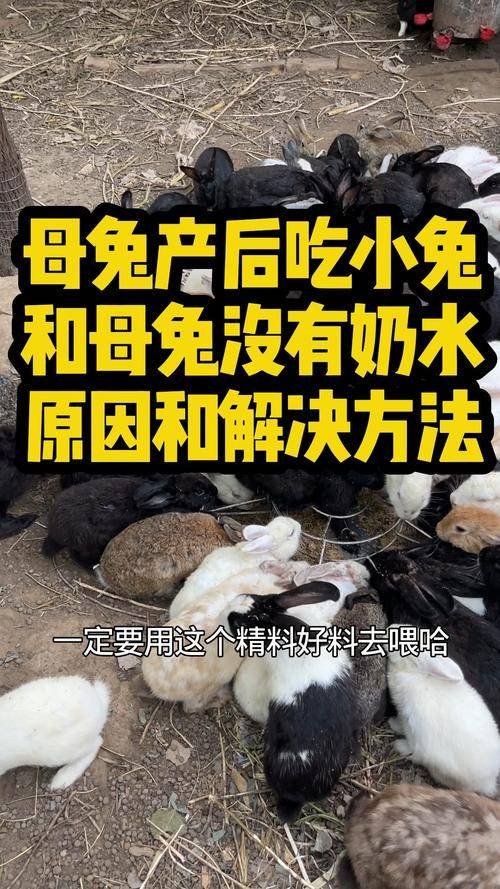
The mortality rate for young rabbits is over 80 per cent, especially during the high-temperature and wet season of 5-september, when the whole of the nest dies, prior inputs are directed to water and water, rabbits are pre-epidemic, pyrochlor and vaccines must be vaccinated and fed regularly, without any shortcuts。
Selling is more important than farming
It is easy to keep rabbits, to sell them, to keep them out of front, to sell them to traders, to farm markets, to restaurants and online channels, and to keep the rabbits from being sold at prices and even by cutting off bars. Before embarking on the process, steady buyers are identified, prices and standards are negotiated and farming is prepared。
3. Be able to grow blindly and earn more than more
Many newcomers felt that rabbits were growing fast, blindly expanding the population, and that management was not keeping up, feed was not keeping up, sales were not keeping up, rabbits had a high incidence of disease, survival rates were falling, and eventually left at a loss. Bid farming, with 20-30 female rabbits starting, is the only way to grow slowly after technological maturity and stability。
Five, five and one
1. New entry: 20 female rabbits start with no blind build-up, first technical training, steady survival, no greed and no impotence。
2. Rabbit selection: high-quality young rabbits are only selected, not low-priced rabbits are not bought, and male rabbits must choose high-quality varieties to ensure reproductive quality。
3. Cost control: use of idle sites, no luxury hardware, fine calculation of the cost of controlling feed and elimination of waste。
4. Core focus: prioritize disease prevention, ventilation, tide control, daily inspection of rabbits, early detection of problems, early treatment and reduction of death and loss。
The rabbit industry has never been a windfall industry, but it is a solid rural by-product income-generation project, and in 2026 it will be easy to make a profit by stepping in to manage, catch disease and find a way to sell it。