I. The difference between stainless steel 201 304
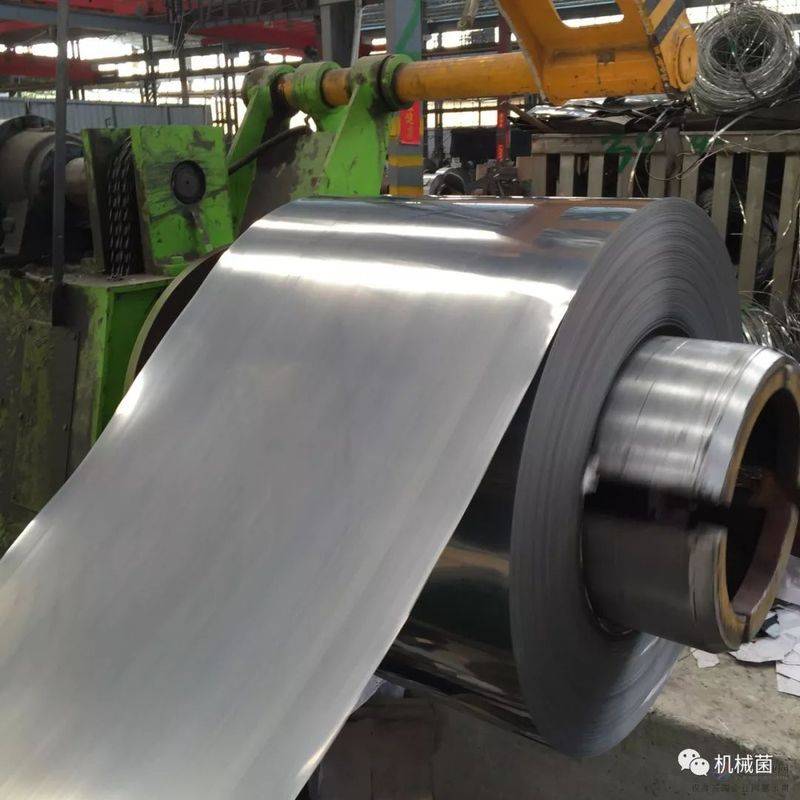
1 specifications: common stainless steel sheeting is divided into 201 and 304 models, which are actually different in composition
304 of better quality, but expensive, 201 less. For the import of stainless steel plates, 204 are national stainless steel plates。
2,201 is an alternative steel to the ni-stretched 301 steel. It is cold-processed and magnetic and used in railway vehicles。
3 and 304 are stainless steel, heat resistant steel, which is the most widely used. For food production equipment, general chemical equipment, nuclear energy, etc。
4,201 are higher manganese-containing, very bright and dark on the surface, and high manganese-containing is easily rusty. 304 contains more chromium, with a muted surface and not rusty, and both are compared together. The most important thing is that the corrosive properties are different and the corrosive properties of 201 are poor, so prices are much cheaper. The price is lower than 304 because 201 is low in nickel, so it is less resistant to corrosion than 304。
The difference between 5, 201 and 304 is the issue of nickel. Moreover, 304 prices are now more expensive, generally close to 50,000 tons, but at least 304 would ensure that they are not rusty during use. (physics used for experiments)
6 stainless steel is not easily rusty because the formation of chromium-rich oxides on the surface of the steel protects the steel, and 201 materials are manganese stainless steel, greater than 304 degrees hard and more carbon-low nickel。
Ii. Simple method of identifying stainless steel plates used at the gold factory
Stainless steel is often used in the inner layer (i. E., in direct contact with water) because of its superior corrosive properties, while stainless steel is used in the inner layer because it is less corrosive and is often used in the outer layer of the warmer water tank. However, 201 is less expensive than 304 and is often impersonated as 304 by bad traders, and stainless steel tanks made of 201 stainless steel have a very short useful life, often corrosive by water for 1-2 years, leaving users with a safety hazard。
Here's a simple way to identify these two materials:
1. In stainless steel water tanks, 304 and 201 stainless steel, usually with sub-luminous surfaces. So we identify it by looking at it and touching it. Stainless steel with its eye on it is very bright, its hands are very smooth, and 201 stainless steel is dark without light, and it feels rougher than smoother. In addition, hands were wet and two stainless steel plates were touched, and water marks on 304 plates were more easily erased and 201 less easily。
2. Lightly grinding of two panels with sand-crumbs on a polisher, with a long, thick, large and, conversely, a shorter, thin and small number of sparks on 201 plates. The force must be light at the time of grinding, and the two kinds of grinding methods are consistent and distinguishable。
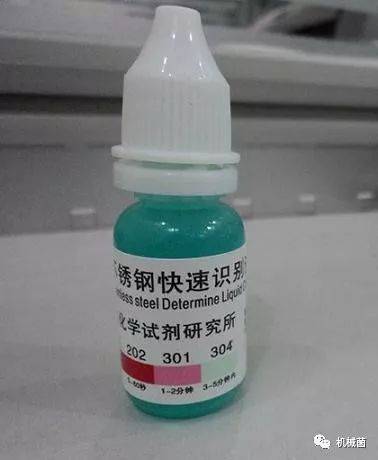
3. Painted on two stainless steel plates with stainless steel cream. After two minutes, see changes in stainless steel colours in the paint. Black to 201, white to 304
Iii. What kind of stainless steel is not easily rusty
The main factors affecting stainless steel rust are three points:
One: the content of alloy elements, generally at 10. 5% chromium, is less vulnerable to rust. The chromium nickel
The higher the preservative content, i. E. The 304-material nickel content is 8-10% and the chromium content is 18-20%, and this stainless steel is generally not rusty。
Second: smelting processes in producing firms also affect the corrosivity of stainless steel. Good smelting, sophisticated equipment, and technologically advanced large stainless steel plants, whether controlled by alloy elements, impurities removal and steel cooling temperature control are guaranteed, so that product quality is stable, inherently good and not easily rusty. Small steel plants, on the other hand, are poorly equipped, the process is backward, impurities cannot be removed from the smelting process, and products are inevitably rusty。
Third: the external environment, which is not easily rusty in a dry and ventilated climate. The high humidity of the air makes it rusty in consecutive rainy weather or in environmental areas with high acid alkalinity in the air. It is also rusty if the surrounding environment is too poor。
Iv. Is stainless steel free of magnets or good stainless steel? Wouldn't it be 304 if it was taped
A lot of customers go to the market to buy stainless steel, bring themselves a little magnet, suck it in when they see it, think they can't
Good stainless steel. It's not rusty without a magnet, it's a mistake. The absence of magnets in stainless steel belts is determined by the organizational structure, and the steel water forms "iron" during the condensation process due to varying temperatures of condensation
The stainless steel of different structures, such as the austic “mart”, in which the “iron” “martex” is magnetic. While austronic stainless steel has an integrated mechanics function, its technical weldability is good, magnetic "iron" stainless steel is stronger than austronic stainless steel only in terms of corrosivity. The so-called 200-series, 300-series stainless steel, which currently circulates in the market with little nickel, is not magnetic, but its performance is very different from that of 304, which is highly nickel-containing. Instead, it is micromagnetic when processed through processes such as stretching, defusing, polishing, foundry, etc., so it is misunderstanding and unscientific to judge the quality of stainless steel without magnetic tape。
Why is stainless steel rusty
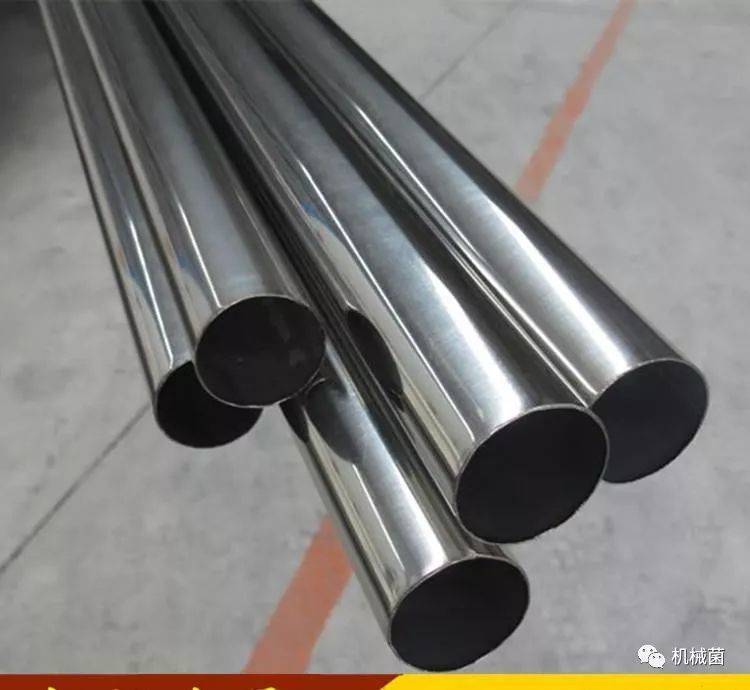
When the stainless steel surface was brown-coloured (dots), it came as a surprise to think that “the stainless steel is not rusty, the rusty steel is not stainless, but perhaps the steel is in trouble”. In fact, this is a one-sided misconception about the lack of understanding of stainless steel. The stainless steel is also rusty under certain conditions。
Stainless steel is resistant to atmospheric oxidation, i. E. Stainless, but also corrosive, i. E. Corrosive, in acid, alkaline, salt media. However, the size of its anti-corrosive capacity is changed by the chemical composition of the steel itself, its state of interaction, conditions of use and type of environmental medium. For example, in the dry and clean atmosphere, there is absolutely good protection against corrosion, but it is moved to the coastal areas and quickly rusty in the mist containing a large amount of salt. Therefore, not any stainless steel can at any time withstand corrosive and stainless。
Stainless steel is a thin, solid and stable chromium oxidation (protective membrane) layer formed from its surface to prevent oxygen atoms from continuing to seep, to oxidize and to acquire the ability to withstand corrosion. For one reason or another, the thin membrane is constantly destroyed, and the atoms of air or liquid and oxygen are constantly permeable or the iron atoms in the metal are constantly dissected, forming loose iron oxides, and the metal surface is subject to continuous erosion. This surface is damaged in many forms, and many of the following are found in everyday life:
1. Sequestration on stainless steel surfaces of dust or adjuncts to metals containing other elements, in damp
In the air, the condensed water between the attachments and stainless steel is linked to a microbattery, triggering electrochemical reverses
The protective membrane is damaged and referred to as electrochemical corrosion。
2. The stainless steel surface is adhesive to organic fluids (e. G., guacamole, pasta, etc.), consisting of aqueous oxygen
Organic acids are formed over a long period of time to corrosive on the metal surface。
3 the adhesion of stainless steel surfaces to substances containing acid, alkaline, salts (e. G., alkalin water for renovation of walls, lime water spray)
Local corrosion。
4. In contaminated air (a atmosphere containing large quantities of sulphides, oxides, hydrogen oxides), in condensed water
The formation of acid sulphate, nitrate, acid acetylic acid liquids causes chemical corrosion。
The above may cause damage to, and corrosion of, stainless steel surface protective film. Therefore, in order to ensure that the metal surface is permanently bright and not rusty, we recommend:
1 decorated stainless steel surfaces shall be regularly cleaned clean, attachments removed and external causes of rust removed。
2 there is a stainless steel of 201 and 202 materials on the market that is rusty in coastal areas and suitable for use in an environment free of industrial pollution and air erosion。
3 in the coastal zone, 304 materials of stainless steel are used, and 304 materials are resistant to seawater erosion。
Six, one, but not rusty steel
(a) chemical methods:
Re-painting of its rusted areas with acid scrubber or spray to restore chromium oxide thin membranes to withstand corrosion
Capacity, acid washing and proper washing with clean water are important to remove all pollutants and acid residues. After all processing, the polishing equipment was re-emptied and the projectile was closed. For those with minor rust stains on the spot, the oil mix of gasoline and oil at 1:1 can also be wiped clean. Just rub the stain off
(b) mechanical methods:
Spray clean-up, clean-up with glass or ceramic granules, tumble, brush and polish. It's a mechanical thing
Contamination from materials previously removed, polished or emptied. All kinds of pollution, especially foreign iron particles, can be a source of corrosion, especially in wet environments. Therefore, mechanical clean-up of surfaces should preferably take place in dry conditions. The use of mechanical methods only cleans up the surface and does not alter the anti-corrosive capacity of the material itself. It is therefore recommended that, after mechanical clean-up, the polishing equipment be re-emptied and closed with the polishing。