The market price for the heating chip ranges from several hundred to tens of thousands of dollars, and consumers often find themselves in a difficult position to choose in the face of a full-fledged product. The paper analyses price differences from the three dimensions of materials, technology and brands and gives a high-value-for-purchase strategy。
Materials determine price baselines
The steel heating tablets are well known for their economic nature, with a single piece price of between 60 and 180 yuan, and 100 m2 household-type complete installation costs approximately $122,000. Its core advantage is that it is highly inert and suitable for central heating areas in the north, but it requires attention to water compatibility. For example, measured in a small region of beijing, steel heating tablets can achieve a 15-year useful life with magnesium rod protection technology in neutral water quality at ph 7-8, but full annual water maintenance。
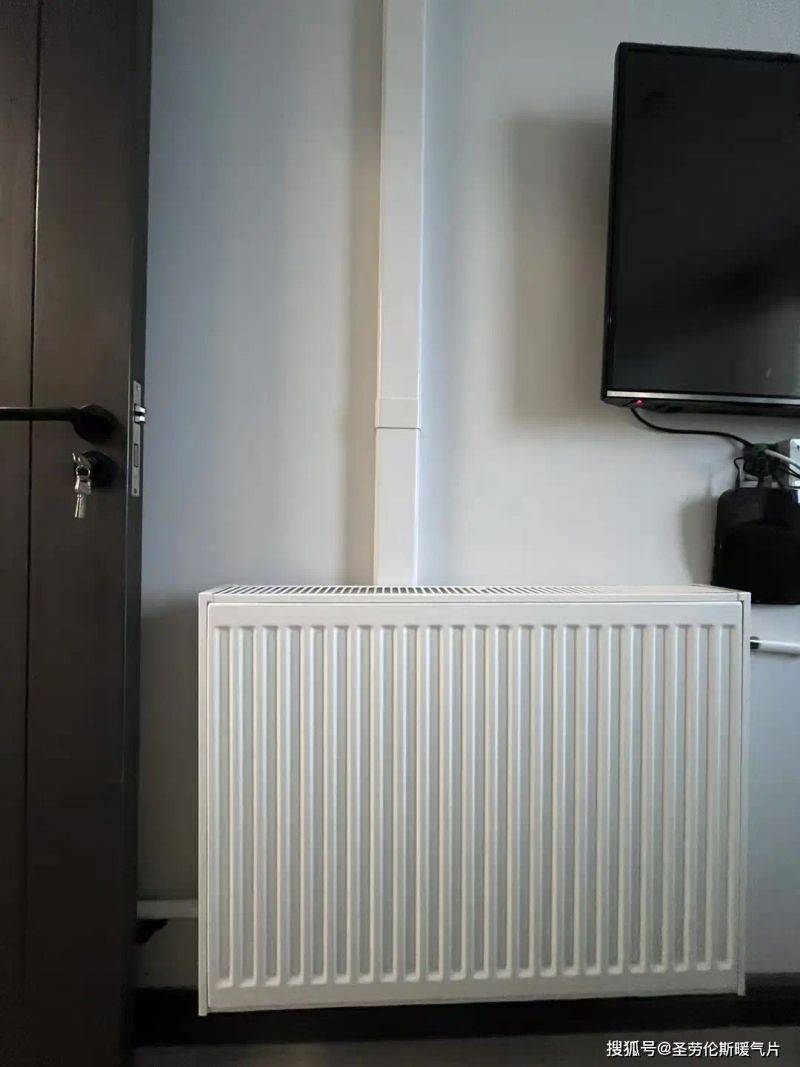
The copper aluminum complex heating tablets are based on a composite structure of aluminum tubes and aluminum aluminum, with prices climbing to 150-358 yuan/filtration, at a total cost of approximately $15-30,000 per household of 100 m2. Its heat transfer efficiency is 30 per cent higher than that of steel products, and measured data show that copper aluminum complex heating chips can reduce average daily consumption by 2. 3 cubic metres at 5°c, with significant long-term energy efficiency gains。
Technology premium and functional upgrading
High-end products are premiumed by technology. For example, vacuum superconductive heating units are injected into superconductive fluids to heat the “gaseous phase” and to heat the whole house for five minutes, 30 per cent more energy-efficient than traditional products, but 20-30 per cent more expensive than traditional money. The smart temperature control system is another major premium point, with aai self-adapted products that automatically learn from households and measure energy savings of up to 30 per cent, subject to an additional $300 for spare parts。
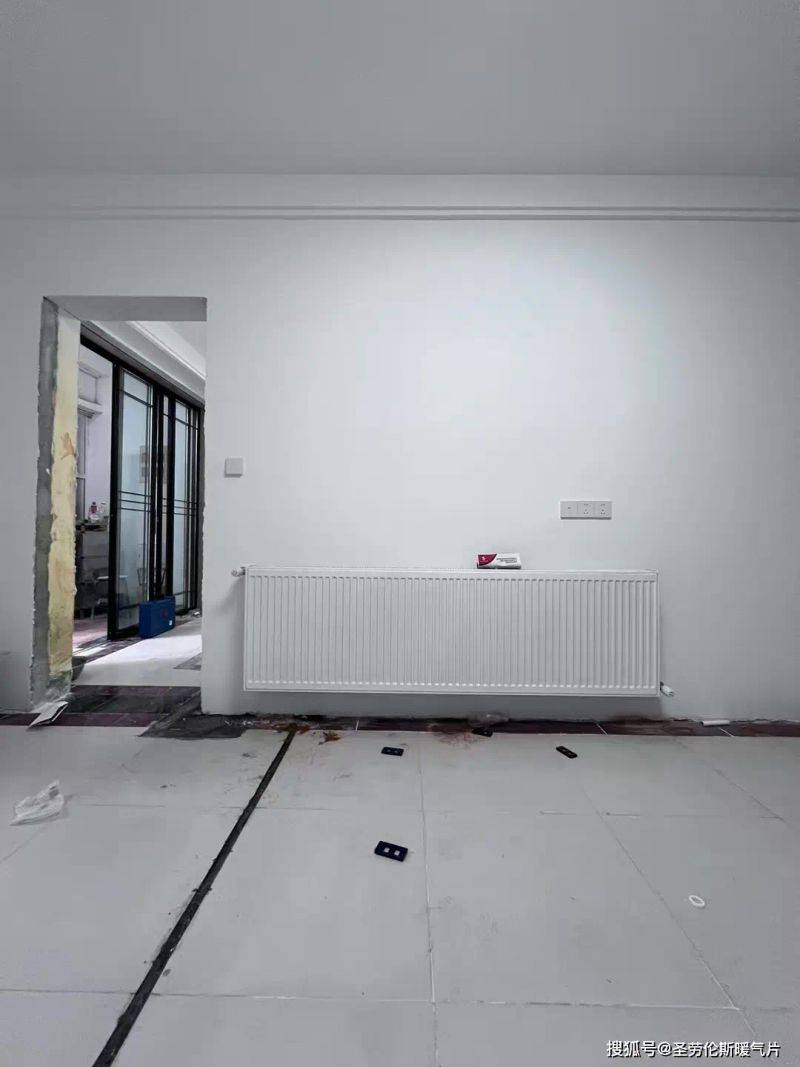
Consumers need to be alert to the “false intelligence” trap. Some low-cost products support only bluetooth connectivity, which does not allow cross-platform connectivity, while real smart money needs to support either the matter agreement or homekit。
Brand value and after-sale services
The brand premium is backed by quality assurance. The head brand uses steel or tp2 medical-grade copper tubes above the national standard of 1. 5 mm, with a welding pass rate of 99. 9 per cent and a manual welding deficiency rate of up to 15 per cent for miscellaneous products. Post-sales data show that brand products have a failure rate of less than 0. 5 per cent in three years, while imprescriptive products have a failure rate of 12 per cent in one year。
The value-for-money strategy needs to be calculated in conjunction with the life cycle. In the case of the 100m2 household type, the selection of miscellaneous steel heating tablets, although initially reduced by 30 per cent, had to be replaced twice over five years, with cumulative maintenance costs of $5,000; while the branded copper aluminium complex heating tablets had initially been 30 per cent higher, the average annual cost over the 30-year quality warranty period had been only $50-70 and the total cost for 20 years was only 41 per cent of steel。
Guide to selected pits
Water quality is appropriate: the central heating area in the north gives preference to the preservatively prepared steel-heated tablets, while the southern self-heating households recommend the selection of copper aluminium composites。
Energy efficiency certification: recognition of “first-level energy efficiency” or “en442” european certification to avoid the low-price trap of false dispersion of calories。
Installation costs: verification of pipeline retrofit programmes to avoid additional costs. For example, the cost of the pb pipe retrofit is approximately 40 yuan/m and the transfer fee is 80 yuan/group。
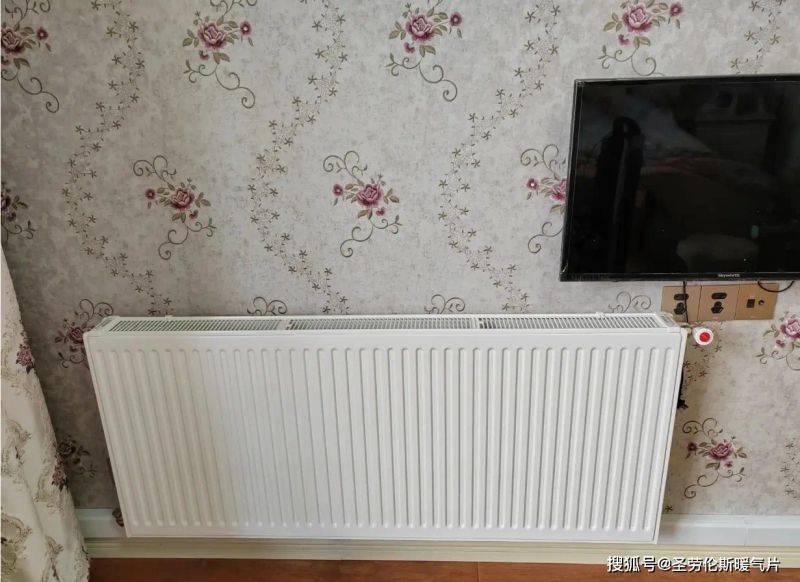
Long-term cost: calculate the total cost of 10 years of use (acquisition costs + energy consumption + maintenance) rather than simply compare unit prices。
In 2025, in the market environment, consumers needed to view price differentials rationally. For households with limited budgets, preference can be given to steel heating chips with regular maintenance; for users seeking long-term energy efficiency, copper aluminium complex heating units are more cost-effective; and technology fans can focus on the long-term benefits of smart temperature control systems. Final decision-making should be based on the actual needs of families rather than simply pursuing low prices or high-end configurations。