As winter temperatures declined and the air dried up, a number of rose acne patients began to “call” their faces: as soon as they entered the warm room, their faces were red and they were dry and hot in the event of a cold wind. These symptoms are typical of rose scabies occurring during season rotation. Rose scabies are chronically inflammated skin diseases that are good for the face, mainly manifested in red and red red on the face. Women between the ages of 20 and 50 are a high-prevalence group, but children and the elderly are equally at risk. The dermatologist of the sanctuary control centre provides you with a practical and professional guide for rose scabies in winter to help you survive this winter。
Know the rose scabies: why are the winter symptoms aggravated
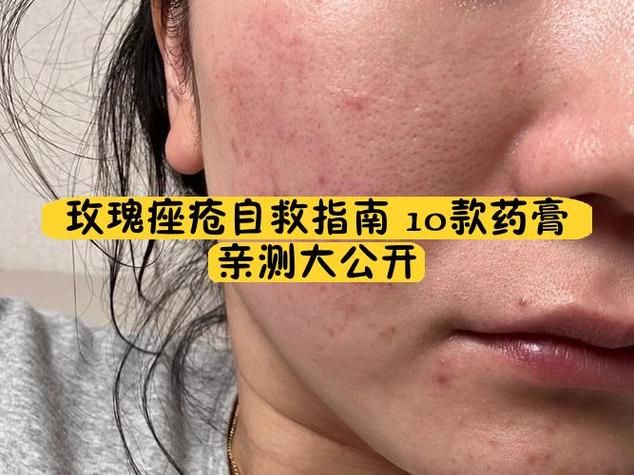
The most common manifestations of rose scabies are heated faces, cold or cold fever, red fevers and severe rashes. These symptoms are often exacerbated by the thinning of skin angular layers as a result of excessive skin care and excessive cleaning。
When there is a continuous alternation between the cold room and the warm room, the facial vessels of the rose acreage patients are prone to loss of normal constriction and the phenomenon of “facility”. Low-temperature dry environments can lead to reduced fat and fat from skin, impaired skin barriers and increased water loss, leading to increased symptoms。
How can it be mitigated
Temperature clean: reduce skin barrier damage. Correct cleaning is the first step in rose acreage care and is a crucial step. The water temperature should be appropriate: wash your face as far as possible without overheating or overcooling, and opt for the best. Be gentle: use a clean face such as a finger instead of a towel, minimize facial local massage and friction and avoid excessive cleaning. The product needs to be moderate: select a mild, oil-controlled, clean face product. Avoid the use of alkaline soap or products with excessive cleaning power。

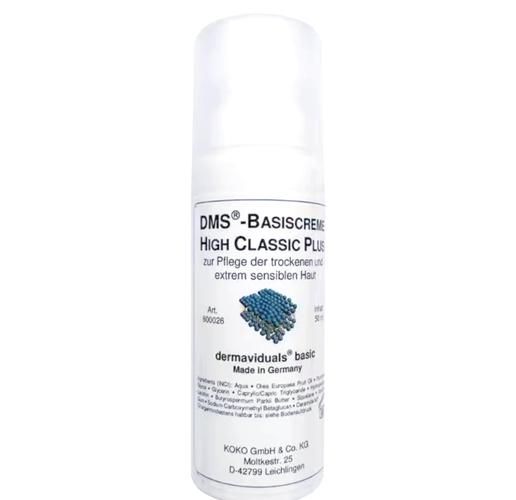
Wet maintenance: rebuilding skin protection barrier. Wetting is at the heart of rose acne winter care. Healthy skin barriers effectively resist external irritation and reduce symptoms. Select products with prosthetic components: prioritize skin-protective products containing transparent acids or neuroamides, which help to repair skin barriers and reduce red and edible. Simplifying skin-care steps: avoiding multiple-component skin-care superimposed use and reducing skin burden. The skin of a moderate-heavy rose acne should be simplified, and the skin of a dry face should be protected only with wet skin. Increased wetting at the appropriate time: regular refilling of the wetting mask, selection of a make-up mask with rehydration and wetting of the skin. For particularly dry areas, more fertilizing restoration cream is available。
Sunscreen protection: winter is also not negligible. Many have mistakenly assumed that winter does not require sun-proofing, and in fact uv rays exist throughout the year, and the winter sun may also exacerbate rose acne. Preferred physical sunscreen: physical sunscreen, such as hats and umbrellas, is the safest and most reliable way to avoid the possible stimulus from sunscreen. Careful choice of sunscreen: use sunscreen, avoidance of acidic and “triple-nose” skin protection, and careful use of seclusion cream and makeup。
How
Lifestyle adjustment: skin improvement from inside and outside. Diet: avoid overheat, overcooled drinks and food, less spicy stimulant foods such as seafood, peppers, hot pots, etc. Keep the diet clean and nutritious and drink less. Environmental regulation: the use of humidifiers to increase environmental humidity to avoid sudden temperature changes. Stay warm when out and avoid direct exposure to cold air irritation. Emotional management: maintain emotional stability and avoid stress, anxiety and emotional excitement. The rise of rose scabies is usually related to emotional factors。
Medical intervention: to seek professional assistance if necessary. When general care is not sufficient to control symptoms, the help of a dermatologist should be sought in a timely manner. Treatment is varied and varies according to weight and can be treated individually or in combination with oral anti-inflammatory drugs, external drugs, laser therapy. During stabilization periods, laser therapy to improve skin state is a good option. Rose scabies generally undergo three months of treatment with basic control or significant improvement. The majority of patients have repeated episodes in years or decades, requiring intermittent treatment。
Rose scabies are a skin state that requires long-term management, especially at autumn and winter festivals. Symptoms can be controlled and discomfort reduced through scientific skin care, reasonable living adjustments and necessary medical intervention. When spring comes, you will be grateful for your patient care this winter。
Source: centre for skin disease control, taian city