Since 2026, old people aged 65 to 85 have received a well-being benefit, which they can afford to be vaccinated against pneumonia. It takes two or three hundred to inject themselves。
Let's make it clear who's free
The first is that the age must be 65 years of age and not more than 85 years of age on the day of vaccination, on the official birthday of the identity card, not on the false age, and not on the agricultural calendar, and that the year of birth was consistent between 1941 and 1961, not a day after that, which is mandatory and without exception。
The second is living conditions, as long as they are local residents, whether or not they have a local residence, have a fixed address and can provide proof of residence, do not go back to their homes and apply in their communities of habitual residence, a policy that is humane and accessible to older persons who come to their children。
The third is physical conditions, the desire to be vaccinated, and the absence of allergies, acute outbreaks of serious basic diseases, in short, physical stability and normal vaccination without cold fever, severe coughing。
It's a 23-dollar pneumonia vaccine
This free vaccination is 23-priced pneumococcal sugar vaccine, not the 13-price package for children, designed specifically for the elderly, to prevent 23 common pneumocococcal strains, covering the most vulnerable types of the elderly, with sufficient protection for daily protection。
The vaccine had previously been self-financed, at a market price of $200 to $500 a shot, and many older persons felt they did not have to pay for it and were now free of charge, without a penny, to protect themselves, particularly for older persons。
Why do old people have to be vaccinated against pneumonia
Many people feel that pneumonia is a common cold and that it is over, not at all for the elderly. Pneumonia is the invisible killer of the elderly, especially those over 65 years of age, with reduced immunity and can easily cause serious problems in the event of infection with pneumocococcal。
Clinical data show that people over 65 years of age receive pneumocococcal-related pneumonia, with rates of death ranging from 20 to 40 per cent, and that pneumocococcal resistance is now increasing, and that penicillin and erythrin, commonly used drugs, are decreasing, are infected, are treated with additional costs, are hospitalized at least 10,000 times, stay in a hospital for more than 10 days, and the elderly are unable to bear them。
Vaccination can directly reduce the risk of invasive pneumonia by 45 to 75 per cent, hospitalization by more than 30 per cent, serious illness by 60 per cent, mortality by more than half, and, in short, an injection that reduces the risk to life by less suffering and less spending。
In particular, older persons with basic diseases, such as slow lung resistance, hypertension, diabetes and heart disease, are at risk of contracting pneumonia several times higher than the average elderly, and when pneumonia occurs, they can easily induce an increase in the basic disease, especially in cases of respiratory failure and organ failure。
The vaccination process is simple. You don't have to run
The first step is to confirm that they meet the age and living conditions, prepare identity cards, social security cards, prepare residence certificates for elderly people outside the country, make an advance telephone call to community health centres and vaccination clinics in their places of habitual residence, and clarify the duration of vaccinations and avoid running empty。
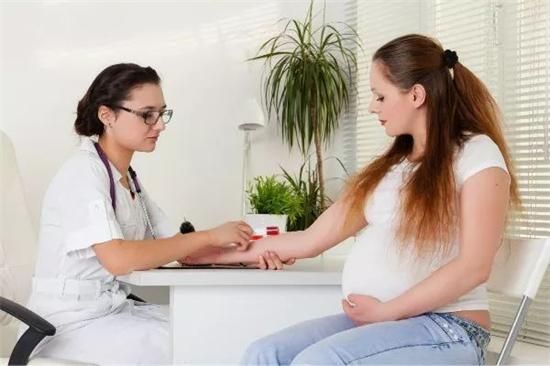
The second step, at the point of vaccination, is to perform a simple medical examination, and the doctor will ask whether there is a history of allergies, whether there has been a recent illness, and if there is no problem, then sign the consent letter and then get the vaccination, and the whole process ends in a few minutes, without long queues。
In the third step, after the vaccination, 30 minutes must be spent at the scene to see if any of the negative effects of dizziness, redness, fever, slight redness and low fever are normal, drink more water and rest more and disappear in a day or two if there is a serious discomfort and contact a doctor in a timely manner。
We can't fight in these circumstances. Don't push the vaccination
Not all older persons of age are able to fight, and there are several situations to avoid and replant when they recover。
All those who are allergic to vaccine components, such as paraplegics, diphtheria-based toxins in vaccines, must not be beaten; they are suffering from cold fever, coughing and coughing, acute infections, and are not beaten until a week after they have completely disappeared; they have severe heart disease, lung disease and acute conditions, which require control and medical advice before being vaccinated; and they are undergoing chemotherapy, immunosuppressants, immunosuppressants, immunosuppressants, immunosuppressants, and vaccinations are not effective and are suspended。
It's not a big deal after the inoculation
Vaccines are not all-powerful and cannot prevent all types of pneumonia. They can only prevent pneumocococcal outbreaks. They must always be protected from crowding, masks, handwashing and ventilation。
Eat less greasy and spicy, eat more fruit and vegetables, supplement proteins, and increase immunity. When weather changes, clothes are added in time to stay cool, and the cold of the elderly can easily cause respiratory problems。
In addition, vaccines against pneumonia and influenza can be administered together, using different syringes and on different arms. The two vaccines can be administered together, with better protection, which can significantly reduce the risk of respiratory infections and can be arranged together。
A lot of old people are in the wrong place. These ideas have to change
Some old people feel that they are well, never sick, and don't have to fight vaccines, but they are slowly losing their immunity. They usually look okay. When they are infected with the disease, they can't resist. Many of the old people who are usually hard-headed, fall apart with pneumonia。
Other older people feel that vaccination is useless, that they need no more fighting once before, that 23-priced pneumonia vaccine is protected for about five years, and that if they have been fighting at their own expense for more than five years, this time free of charge can be played again, especially for older persons over 80 years of age。
There are also elderly people who are afraid of the side effects of vaccination, but the adverse effects of the vaccine are minor, most of them with a slight pain in the arm and a slight low level of fever, which is only a day or two, with a particularly low degree of acute allergy, with first aid equipment at the point of vaccination and no need to worry too much。
This benefit is an annual reality, not a short-term activity
This free-of-charge vaccination is not an ad hoc campaign, it was launched in april and continued until the end of the year as part of the government's 2026 human lives project. The eligible elderly people do not have to rush out, the vaccinations are easier, and the communities are informed in batches and do not have to line up。
If you have children in your family, you must remind your parents not to miss them for fear of trouble and want to leave. This is a real good thing for saving money, protecting health, saving hundreds of dollars in a needle and preventing major diseases, which are more expensive than eating health care。
Older persons, whether they are elderly or living with their children, must keep this policy in check, and take care of it as quickly as possible against their age and conditions, before the policy ends。