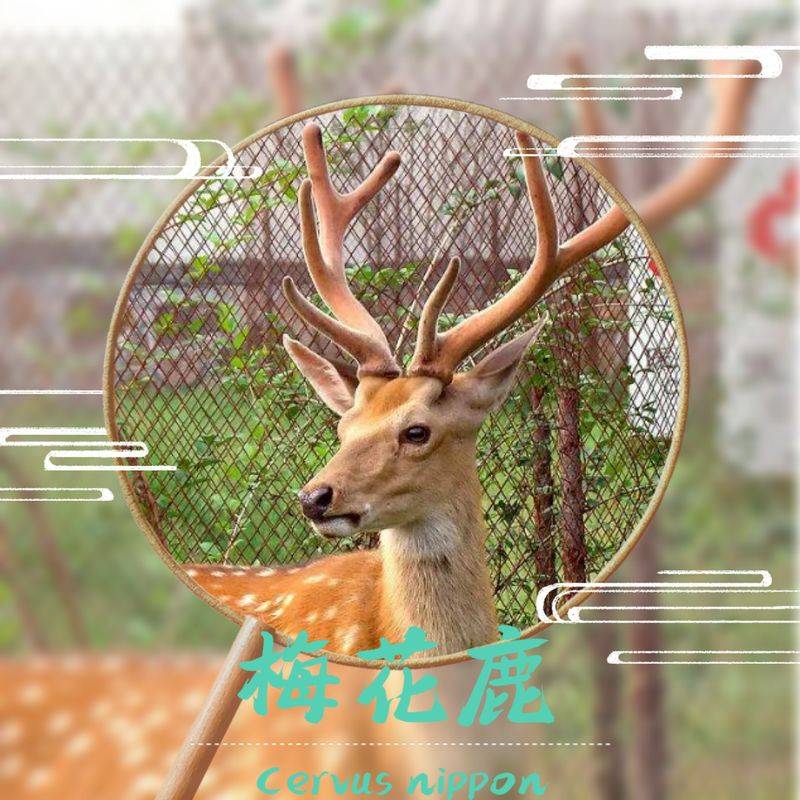
Since time immemorial, thanks to its blessed connotations and its lovely appearances, the deer of clubs has been a beautiful symbol of chinese culture and has been very popular. What exactly do you know about the deer of clubs? That's the way they're going to show you this lovely species。
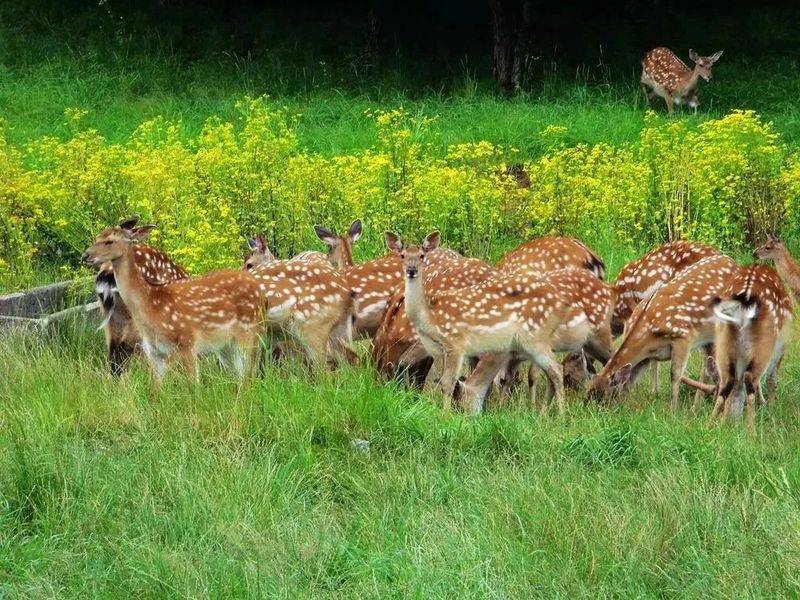
The stellar deer is a deer's-to-shoe. It is a mid-sized deer named for being embedded in many arranged white spots on both sides of the back and under the side of the spine. It is also the protection of animals at our level。
Physical characteristics
The deer of a plume is 125 - 145 cm long, the tail is 12 - 13 cm long and the adult body weight is 70 - 100 kg. Shoulder height 70-95 cm. The females are smaller. The head is slightly round, the face is long, the nose is naked, the eyes are wide and round, the arctic glands are cracking, the tears are visible, the ears are long and straight. Chief neck. Long limbs, narrow and sharp main hoof, small side. Short tail。
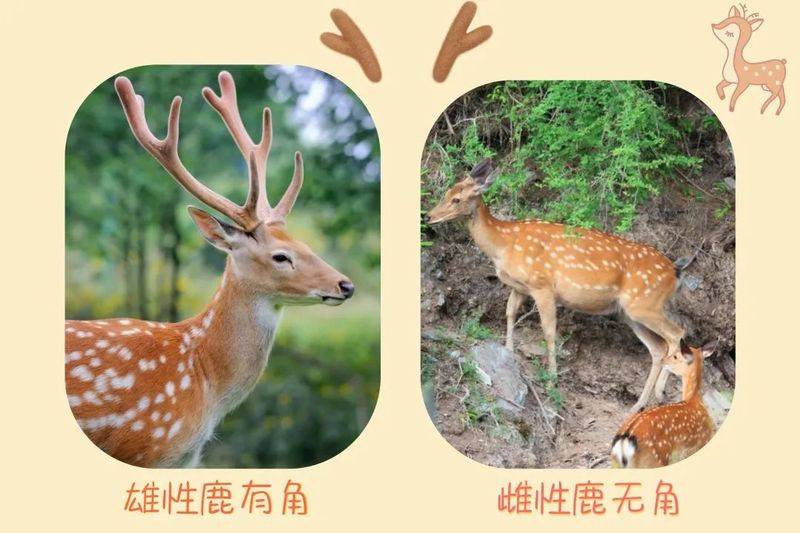
Angular: the female has no horns, the male has a pair of strong horns on his head, four aluminums on his horns, a brow and a blunt horn on his main stem, stretching forward in the near base, with a greater distance and abdomen, a higher position, often mistaken for lack of subduedness, and the main is divided into two branches at its end. The main stem normally bends to both sides, with a half arc, the eyebrow prowling up ahead, with a slightly inward bending of the angle, and very sharp. The old horns of the male deer fall around mid-april each year and grow new horns. The young male deer began to bear horns for the second year, adding one fork per year and ending with four fork after the age of five。
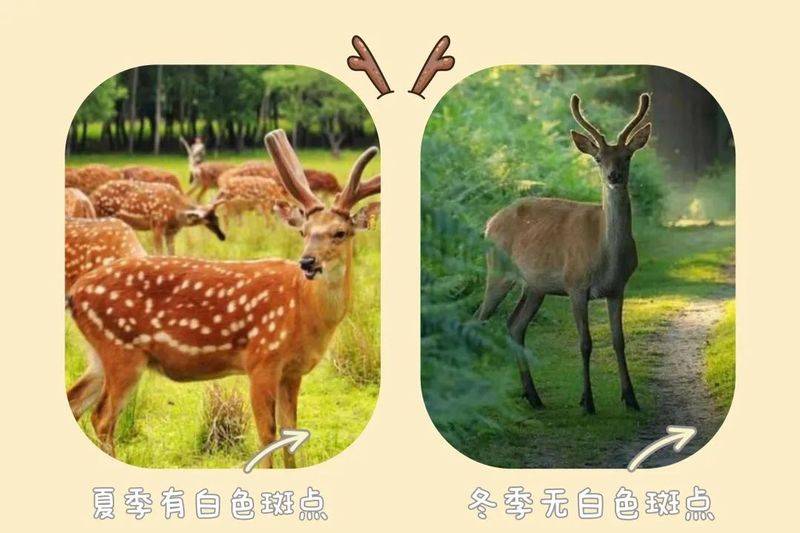
Fury: the tan changes with the season, the summer hairs are brown or chestnut red, fuzzy, and many arranged white spots are embedded on the sides of the back and under the sides of the body and are named as plumes. In the winter, the hair is brown, thick and unobserved, similar to that of the weed. The neck and back of the ear are brown and a black mid-back line runs from the tip of the ear to the base of the tail, the abdomen are white, the buttocks are white and there are black furs around them. The back is black and the belly is white。
Lifestyle
Food and contrivance
Wild plums feed on herbivores and are more food-intensive. They are usually fed by plant leaves, springs, seeds and fruits, and sometimes by bark and moss. Owing to the lack of natural salinity, saline is often added to the saline。
The stellar deer is also a retrograde animal. Invertebrates mean that food can be fully absorbed after a period of time before food that is partially digested returns to its mouth。
Habitat
Plum deer lives on the margins of forests and in mountainous savannahs and is not in a dense forest or bush, which facilitates rapid run-off. The area of life changes with seasons, with springs on the semi-cunt slopes, summer autumns moving to the forest areas on the slopes, and winters on the warm slopes. During the day, more than once, the grass is found on the slopes towards the sun, which are thicker and largely similar to its color, so that the enemy can be detected at an early stage in order to escape quickly. At night, they dwell in the middle or upper of the slopes, which are uncertain, but are still more prone to sunward slopes, while the grass is relatively small。
Sexual assault police, agility, hearing and smell are well developed, with a weak vision and a weak sense of cowardice. Due to the length of the limbs, the narrow feet and the sharp edges of the feet, the movement is fast and the ability to jump is strong, especially in terms of climbing steep slopes, which leaps and leaps at great speed。
Reproduction
In the spring and summer, the group is composed mainly of females and young children, many of whom work alone and fall into a group when they fall in love. Adult deer with reproductive capacity reproduces once a year, mostly in the months of august to october, with about 30 weeks of pregnancy, with one deer per child. The baby had white spots。
Something extraordinary about the deer of clubs
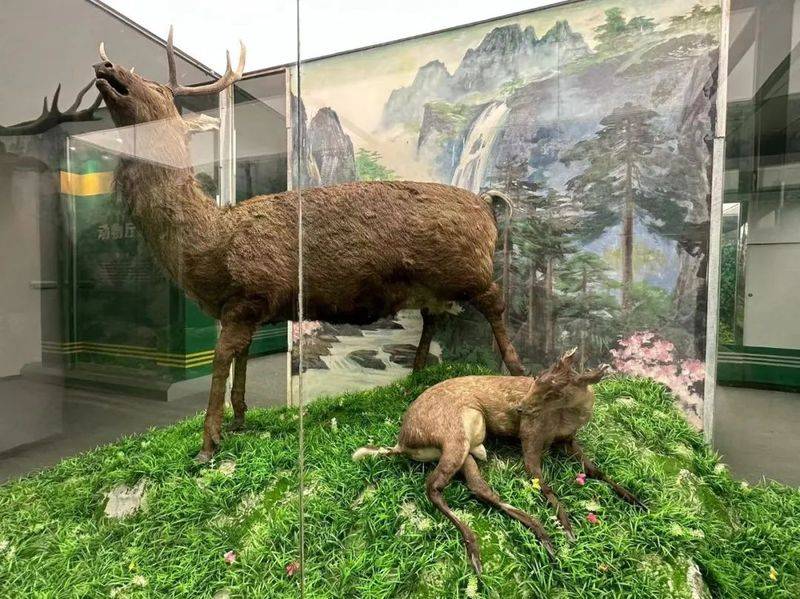
Plum deer specimen of the farmer nature museum
Longevity
According to the mammalian lifetime formula, 20 years of age for deer is equivalent to 250 years for man; 30 years of age for deer is equivalent to 370 years for man. The average stellar deer lives about 20 years and is a long life in mammals。
Regenerative capacity
Regenerative capacity of deer moose: the deer moose grows at 1. 2 cm per day, which is comparable to that of all mammals。
Iii. Cardiac muscles are powerful
The deer of clubs was running away from him. They can stop in the run and look back. This move is a full demonstration of the strength of the cardiac function of the deer。
Iv. Super self-rehabilitation
The fractured bones, three days after the broken legs of the deer, 10 days after they ran, and 20 days after they recovered. Deer self-rehabilitation is the strongest of mammals。
V. Effectiveness
Immunoprotein levels in deer blood are three times higher than in humans and sod levels 7-10 times higher than human blood levels. The deer is highly immune to infectious diseases. A toxin-rich weed was accidentally eaten, and nothing happened, and the body had a special detoxification function. When the deer is injured, the wound naturally stops the bleeding and quickly heals itself。
Vi. Strong sexual capacity (polygamy)
A deer can make friends at the age of two to three, and a male can mate 15 to 20 females。
The nutritional value of a stag
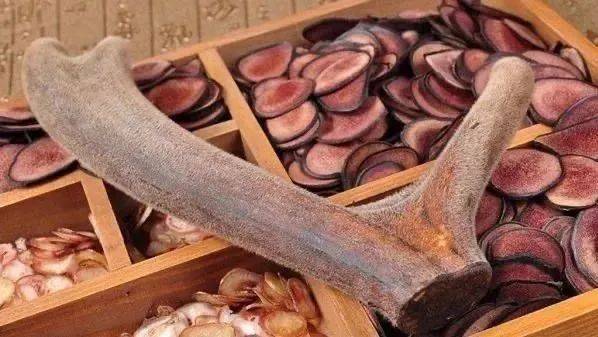
It's a saying that the deer's house means the melon deer. The functions of deer sprouts, deer whips, deer blood, etc., are a supplement to tradition, strong bones, slowing old age, memory enhancement, skin moaning, etc. The elk of clubs has been a long-lasting supplement to the emperor and the nobles. “one of the deer is good, either cooking or steaming, or eating with wine. A deer is a fairy, a man of many years, a man who knows his veins and eats good grass, so his meat and horns are not damaged”。
The deer by-products of plums are available to 17 different kinds of medicines, including deer moose, deer whips, deer fetuses, deer blood, deer heart, deer kidneys, deer bands, deer meat, deer bones, etc., which have extremely high medicinal value and nursing health functions to prevent and treat a wide range of diseases, even referred to as “chinese medical diamonds”。
A long-standing deer culture
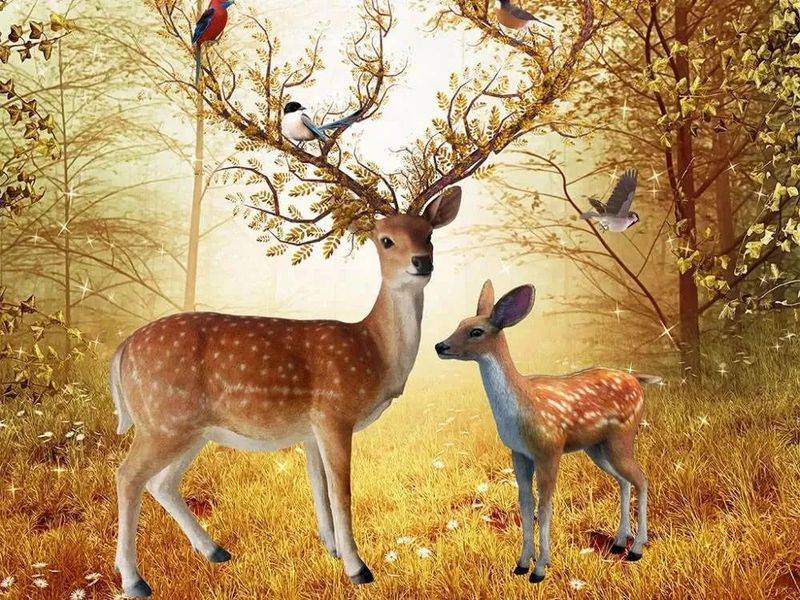
The stellar deer, a long-lived fairy, was considered a god in ancient times and was thought to bring happiness and longevity。
In the hearts of ordinary people, the deer represents another aspiration hidden in their hearts. In our ancient era, the salaries of officials are usually referred to as gills. The word “deer” coincides with the word “rogue”, so the people use the deer of clubs to secretly express their desire for money。
Buddhism and deer are also very close. There's a lot of deer-related stories in verpen, the most famous of which is the story of the nine-skinned deer who saved lives. The stellar deer is the symbol of people's aspirations and has cultural symbolic significance。
The deer and the art are indissoluble, and the deer are in permanent frescos, drawings and sculptures, such as the elements of bats, plume deer and peaches on the traditional birthdays, which symbolize the words “funct, lodge and life”; the knights of handey, who shoot the deer, the deer sculptor in the buddha; and the modern street and heart square, the hospital district, which also uses deer as a decorative scheme, in all its forms, with a strong life, a beautiful image and a beautiful one。
We have a long history of reindeer husbandry, and as early as the eleventh century b. C., china has a record of reindeer husbandry, a country with a long history of reindeer breeding in the world. King yin built a deer “three miles high, one thousand feet high” which was the first literary record of chinese reindeer raising, when it was mainly meat, clothing, and sighting. The qimin mission of north wei jiaxuan details the cooking techniques of reindeer meat. The deer's meat becomes a tribute. In recent times, the development of the reindeer-rearing industry has resulted in the creation of hundreds of foods that are based on deer meat。