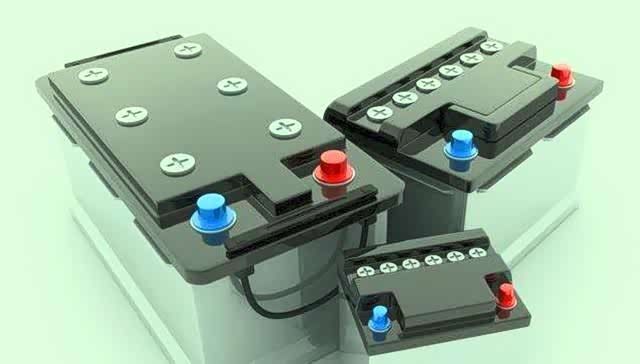
As one of the important parts of the car, the performance of the cylinder is directly related to the normal start-up and movement of the vehicle. However, many car owners often feel confused and helpless when they face the problem of changing bottles. Today, you can share four simple ways of teaching yourself how to judge whether a car bottle needs to be replaced so that you don't get into trouble
I. Observations
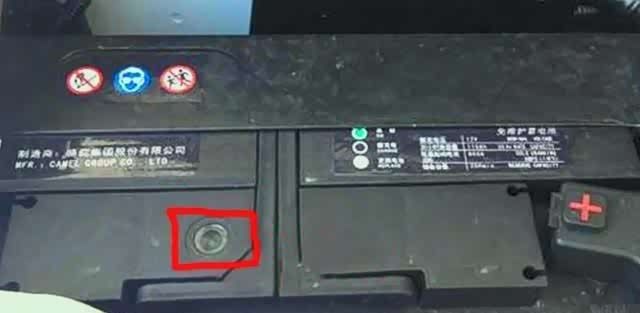
More than 80 per cent of the free-of-maintenance bottles now on the market are equipped with electric observation. By the color of the observation mouth, we can make a general assessment of the battery's electrical condition. Green represents sufficient electricity, yellow means a slight loss of electricity, and black means that the bottle is nearing its end of life. If your vials are black, then you need to consider replacing them。
Ii. Examination of the appearance of electric cylinders
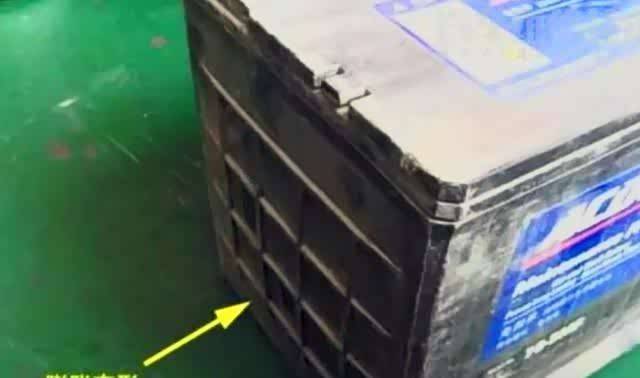
The appearance of the cylinder is also an important basis for our judgement as to whether it needs to be replaced. If there is a significant expansional deformation or drum pack on both sides of the cylinder, then the life of the cylinder is already over half. At this point, we should be prepared to replace the bottles in advance, in case of surprise。
Iii. Observation of equipment points
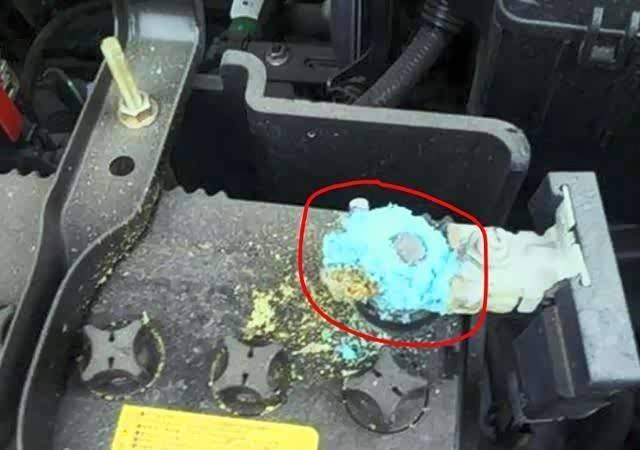
If white or green powdered objects appear around the stake, these are the oxides of the cylinders. The presence of these oxides means that the performance of the bottles has begun to decline. If these oxides are not removed in a timely manner, this may result in insufficient generation of electricity, chronic power loss of the cylinders and, in serious cases, even early end of life of the cylinders or failure to activate the vehicle. Therefore, the replacement of bottles should be considered as soon as oxidation occurs at the stake。
Measurement of voltage
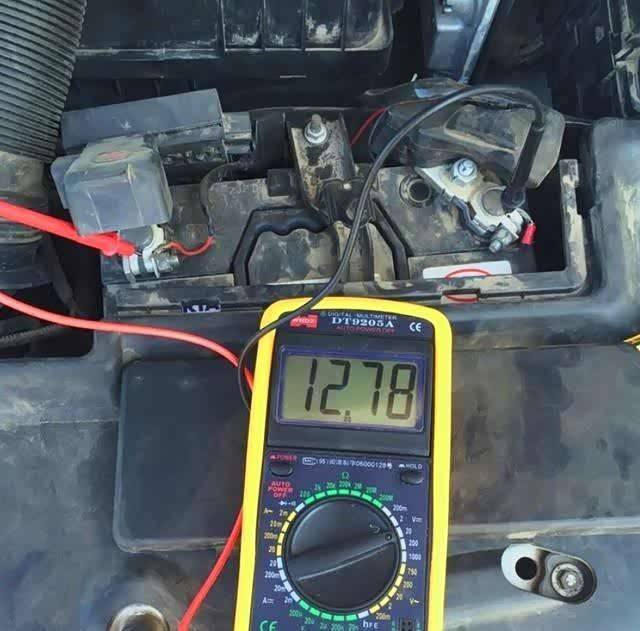
We can measure the voltage of the cylinders by means of a cylinder gauge or a universal meter. Under normal circumstances, the empty voltage of the cylinder shall be around 13 volts and the full voltage shall not be less than 12 volts. If the voltage is low, it may cause difficulties or failure to start the vehicle. The end-of-life process will be accelerated if the cylinders remain low voltage for long periods of time. It is therefore essential to regularly measure the voltage and to replace low voltage bottles in a timely manner。
To sum up, it is not complicated to judge whether car bottles need to be replaced. We can easily judge the health of the cylinders by observing the electrical outlets, examining the appearance of the bottles, observing the stakes of the bottles and measuring their voltage. If you have multiple symptoms in one or more of the four cases at the same time, it would be better to replace the car at the earliest possible time, so that you do not suffer from the inconvenience caused by the anchoring of the car. Remember these little tricks so you don't get paid in a car shop