The algebra of biadi f3 can be distinguished by a combination of four dimensions: year of production, appearance details, interior style and power configuration. As the classic compact domestic car that was born in 2005, it has been upgraded over time: in 2005, it was introduced with a major change in its first-generation model, in 2008, 2014 and 2018, with production years as the basic anchor point for distinguishing between generations; there are marked differences in the shape of the different generations of car lights and the pattern of the infusion grids, such as the comparison of the early-type large light with the later-timer model of the more scientific sense; and, in interiors, the dashboard style, medium-controlled station layout and air-conditioning vents are gradually being optimized to shift from basic utility to more modern design; the power configuration has evolved from the early 1. 5 l natural inhaling engine to a subsequent 1. 5 t-wheel booster engine, which has increased power. Together, these dimensions form a clear link between biadi f3 algebras, allowing consumers to visualize different generations of car-type characteristics。
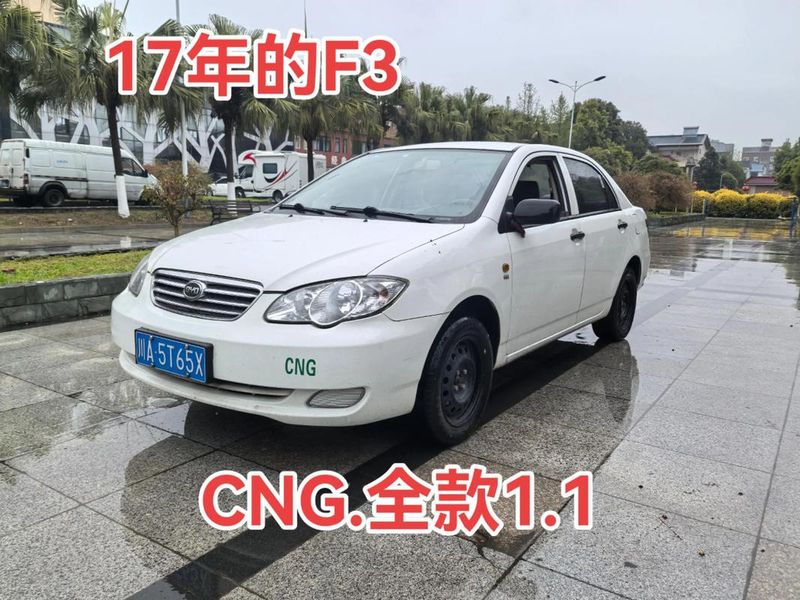
In terms of the year of production, the initial f3 introduced in 2005 provided the basis for the car, while the three major changes in 2008, 2014 and 2018 corresponded to subsequent iterative upgrades. If the consumer wishes to make a quick judgement, he or she can first see the year of production of the vehicle's decorating or driving licence and then further confirm it in conjunction with other dimensions. For example, in 2005-2007, the model was essentially the first generation, in 2008-2013 it was the second generation, in 2014-2017 it was the third generation, and in 2018 and beyond it was the fourth generation, although it required a combination of details such as appearance, interior, etc。
The difference in appearance details is the intuitive basis for distinguishing between generations. The first generation of f3 large lamps is more round and simple, with the entry grid being designed in a banner and the overall style being more lean; the second generation has fine-tuned the lights, the grids have chromium plating bars, and the third generation has a much more sophisticated vision; the third generation has a much more ambivalent group of large lamps, with larger grid sizes and a significantly increased sense of motion, with a better front-lined, front-face recognition; and the fourth generation, with a change in 2018, with a major light upgrade to the led light source, with a completely new dot-form design of the grid. By observing these appearances, even without looking at the year, it is possible to broadly distinguish between the generations of vehicles。
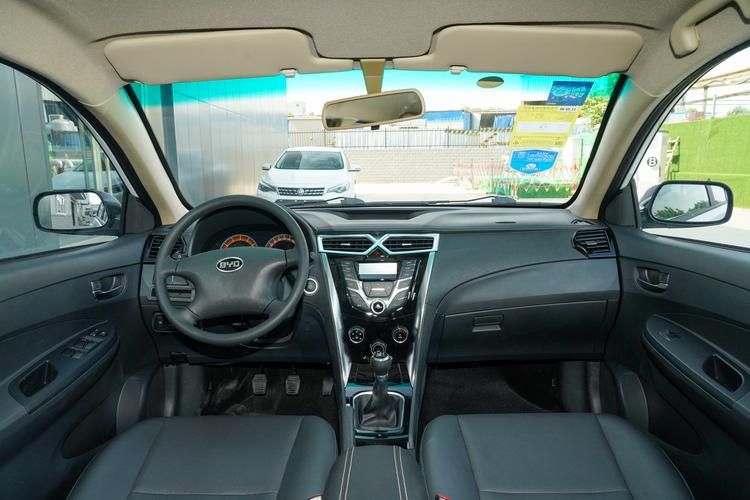
The evolution of the interior style also reflects the pattern of the car. The first generation f3 features are mainly practical, the dashboard is the traditional mechanical compass, the medium control stage layout is simple and the air conditioning vent is designed in circular shape; the second generation adds a medium control display screen to the machine dashboard, the air conditioner vent is changed to square; the third generation uses a combination of the lcd dashboard and the medium control screen, with software packages added to the medium control table, and air conditioning is more fashionable; and the fourth generation interior is further upgraded, with the use of a floating middle screen and the overall design is more technological and luxurious. These changes in the interior detail not only enhance the comfort of the vehicle, but also provide important clues to the intergenerational division。
The upgrading of power configurations is one of the cores of the biadi f3 trajectories. First-generation vehicles carrying 1. 5l natural inhaler engines with a maximum power of 79kw, with a maximum twister of 144n. M, matched with a 5-speed manual transformer box; second-generation optimization based on the original engine, with a slight increase in the power parameters; third-generation 1. 5t turbine booster engines, with a maximum power of 113kw, with a maximum of 240n. M, matching a 6-speed manual or 6-speed double-disconnected transformer box; fourth-generation rearrangers of 1. 5t engines, with a further boost in power performance and a mixed version to meet the needs of different consumers. Changes in power systems directly affect the driving experience of vehicles and are key factors in the intergenerational division。
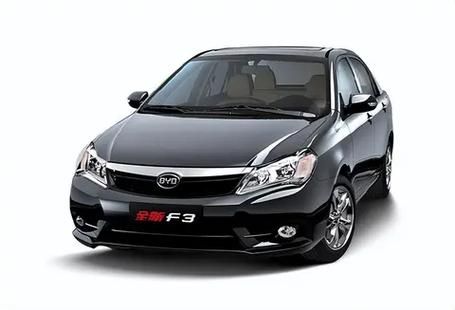
Taken together, the intergenerational division of biadif3 requires a combination of production years, appearance details, interior style and power configuration of four dimensions. By analysing these aspects one by one, consumers can determine precisely the specific generation of vehicles, thereby better understanding their characteristics and performance. Whether the vehicle is purchased or used, these distinctions help consumers make more suitable choices。