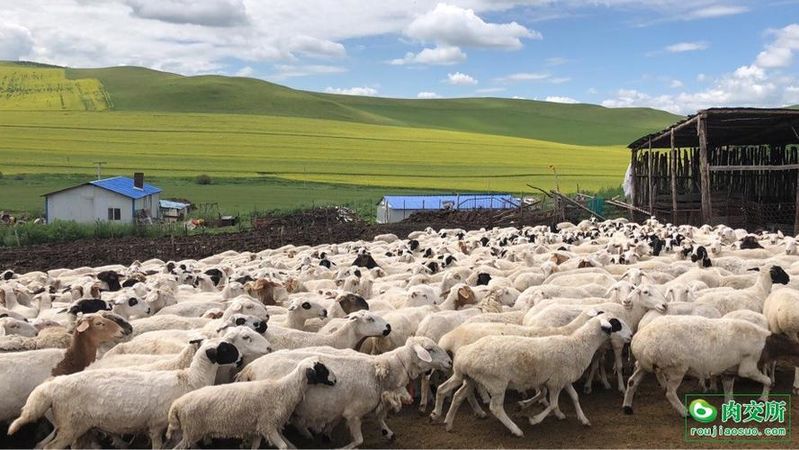
The country's livestock production capacity is the top of the country's five pastoral regions, with the sheep field surpassing 100 million for the first time in 2014, and lamb production is the highest in the country. Since most of the meat in inner mongolia comes from savannah sheep and is of good quality and is favoured by consumers, the purchase price of lamb once amounted to $26 per pound and retail prices to over $35 per pound. However, the price of lamb has been declining steadily since july 2014, and the market remains depressed as spring season approaches. Inner mongolia, meat fell at its lowest price to $18 per pound, with a 30 per cent reduction。
On the one hand, the price of lamb falls, and on the other, the cost of raising sheep increases
"the lambs of the past were about 50 pounds to 70 pounds, and they could sell to more than 1,500. The price of meat has fallen this year, and a sheep can only sell to about $1,000.” says saringova, the right-hand flag of surin gullé-sunite in inner mongolia. She had no choice but to sell the sheep cheaply, but the cost of raising the sheep was rising. “the pastures have risen from $1,000 per ton to $1,200 per ton, and more money is lost in the fields”。
In recent days, chinese youth journalists have seen cars full of sheep in line at silin gual-siu-si-si-wi-wi-wi, waiting for slaughter to take place。
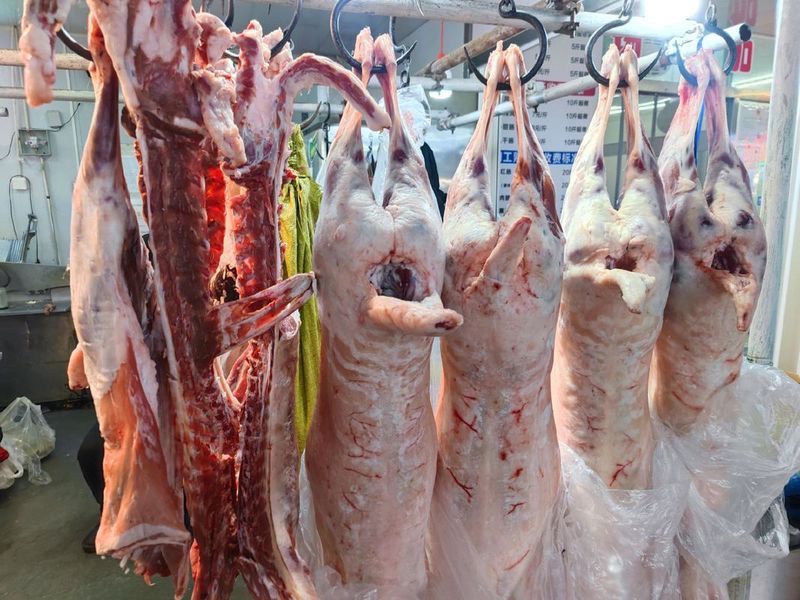
The western flag, the uranga sugi, sold more than 50 sheep per pound for batubilig. He could not help but say, “in 2014, the price of sheep was low, with an average of 450 dollars for one, and in 2013 the price was about 1100 dollars.” this year, it was dry, and the meat of lambs could not go up to 50 pounds per sheep last year, and this year it was more than 20 pounds, half of what it was before。
It is understood that the savannah of silin guelleh is one of the four natural grasslands of the world, where animal products are known to be pure natural and non-polluting. In 2014, however, most of the zilin guelleh flag districts received less than 48 millimetres of precipitation and experienced severe drought. In particular, the sunite left flag, the main lamb-producing area, covers 34080 square kilometres of grassland, representing 99. 5 per cent of the total flag, while the affected grassland amounts to 22883 square kilometres, affecting more than two thirds of the area。
The zunit left herder batu wrote to the press, 300 sheep, 30,000 for three months for grass, 10,000 for feed, 10,000 for water, and 50,000 for the expected sale of more than 100 sheep, the damages having been set at around 600 for each of them。
Lower acquisition prices also lowered the prices of supermarkets。
Inner mongolia, a vendor who sells lamb meat at the chase food wholesale market in hot city told journalists that her lamb came from ho hot and lin county at a price of $19. 5 per pound for sheep, and she retailed $20 per pound. Although the price of lamb is down, sales are not good, with only about 10 per day on mondays and fridays and just over 20 on saturdays and sundays, the reduction has not had an impact on the marketing of lambs。

In interviews with several large supermarkets in the cities of huo and hot, young chinese newspapers found that few people bought meat in front of the counter where they sold lamb。
To prevent the price of lamb from falling
“only in big red towns and villages, the total number of sheep in whole villages has exceeded 80,000. In 2011, there were only 40,000 local sheep reserves, which doubled in just three years. More than 100 households out of 500 are farmed. In addition to the current sales of lamb, some breeders have sold their sheep.” the director of the agricultural and livestock department of the cities of huo and hott and linger county, sukhai, said that it was imperative to prevent the price of meat from falling sharply。
As an expert in farming assigned by the ministry of agriculture, the supachai river has a good knowledge of farming in and around linger county. According to him, starting in 2012, the number of sheep farmers in linger county began to increase dramatically, and in 2013 it reached a record high, with some urbaners investing in sheep. In 2013 alone, a large number of farmers bought lambs from the four flags and then fatted, and now account for about half of the total。
He said that the number of sheep came up and was one of the reasons for the fall in the price of lamb. In linger county, there is an enterprise specializing in the acquisition and processing of live sheep, the orchid company. Previously, when the market was good, the sheep company purchased sheep at higher than market prices. In 2014, the market was depressed, and the company only acquired sheep in the hands of the contracted breeders at a price of $19 per pound. If the purchase price does not go up, the farmer loses a large amount of money, the number of sheep farmers will be low next year and price fluctuations will be positive。
According to journalists, meat-processing and marketing enterprises also face marketing difficulties. One of the directors of the inner mongolia blue sky pastoral company limited told journalists that lamb was hard to sell, that most of the inner mongolia pastoral areas were dry and that the herdsmen had concentrated their meat on the market in order to relieve herb pressure, and that in 2014 the country imported sheep in large quantities. “in 2013, 260,000 tons of lamb were imported, compared with more than 170,000 tons in the first half of 2014. The retail price of imported lamb is nearly $10 less than the price of inner mongolia's lamb. As a result of drought, the quality of lamb is declining and internal mongolian lamb is difficult to sell.”
According to an analysis carried out by the ministry of agriculture and livestock of inner mongolia, the national sheep market is operating at a low price, which lowers the market price for within mongolia. At the same time, a large number of imports, provinces and sheep are entering the local market, increasing market options, with many restaurants and shops selling imported meat and citizens eating imported meat. This is the main factor influencing the price of domestic mongolian lamb。
The director of the institute of economics of the inner mongolia academy of social sciences, yu guangjun, believes that, in the process of building a base for the development of the meat and sheep industry in the inner mongolia, the government needs to provide more preferential policies for processing and storage links and enterprises to withstand price volatility by extending the industrial chain。
It has been reported that, in response to the real decline in the price and sale of lamb, silling guelleh is using government reserves and corporate surcharges. The government plans to subsidize 3,000 yuan per ton of meat, with 5,700 tons of meat collected centrally by enterprises to address practical difficulties for pastoralists and enterprises。