Oil is one of the major sources of energy for human social development and is widely used in such areas as energy supply, industrial production and transport. However, there are often many questions about the process of formation of oil and the remaining oil reserves on earth. This paper will explore in depth the scientific rationale behind oil formation and interpret the scientific mystery behind the phenomenon。
The formation of oil:
1. Accumulation of organic matter: oil is formed mainly in underground sedimentary formations, with raw materials such as algae, plankton and plants living in ancient seas and lakes。
2. Geological effects: organic matter is gradually buried in sedimentary formations and transformed into hydrocarbons as a result of crustal movements and geological changes. This process requires appropriate temperature, pressure and time。
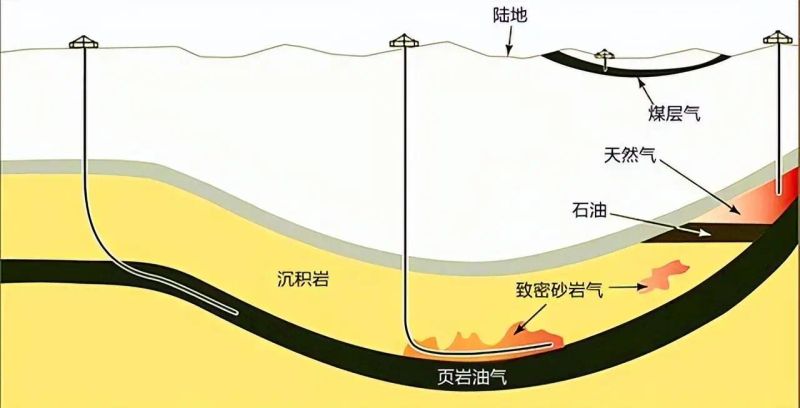
3. The process of maturity: the key to petroleum formation is thermal and thermodynamic processes of organic matter, i. E. The process of maturity. Under appropriate temperature and pressure conditions, organic matter is pyrolysis and fragmentation, resulting in oil and gas。
Ii. Remaining oil reserves on earth:
1. Oil stock assessment: the assessment of oil reserves is a complex process that requires consideration of geological exploration, mining techniques and economic factors. The classification system of petroleum resources is commonly used internationally, dividing oil reserves into known, potential and speculative reserves。
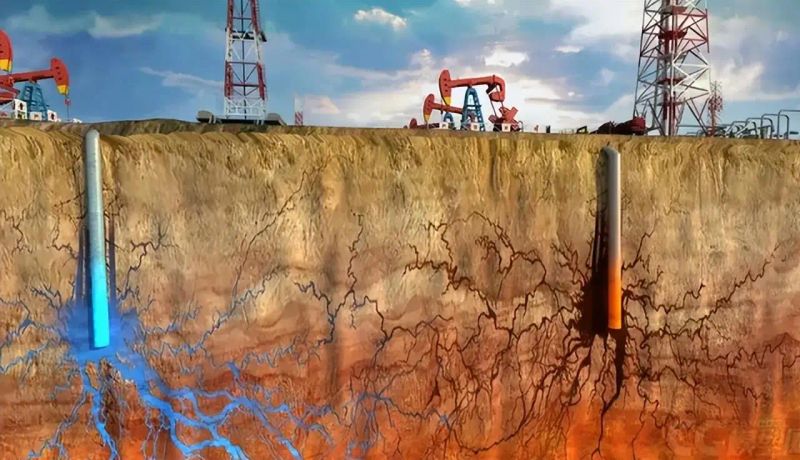
Methods of estimation: estimates of oil reserves rely on geological exploration and exploitation data, as well as geological models and statistical methods. Common estimation methods include volume-area, production-geology and resource baseline methods。
3. Reserve change factors: changes in oil reserves are influenced by a number of factors, including new exploration techniques, degree of exploitation of oil reserves, geological conditions and market demand. Oil reserves are therefore a dynamic concept that will evolve over time and technology。
Iii. The scientific mystery behind the oil phenomenon:
Earth evolution and sedimentary environment: the formation and distribution of oil is closely related to the evolution history and sedimentary environment of the earth. Understanding the tectonic evolution of the earth and its ancient geography can reveal the mechanisms and patterns of oil formation。
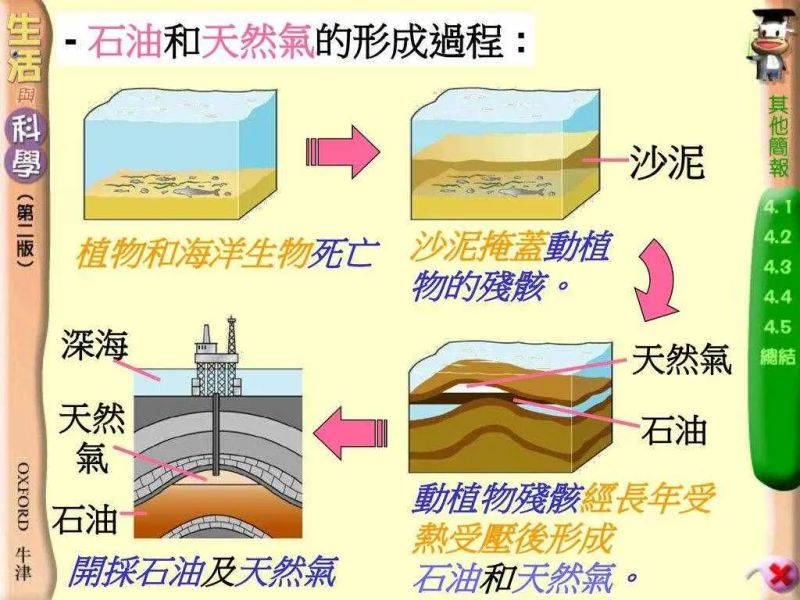
Chemical reactions and organic transformation: oil formation involves complex chemical reactions and organic transformation processes. An in-depth study of the pyrolysis and thermal evolution of organic matter can reveal the chemical nature of petroleum formation。
Exploration technology and resource assessment: the development of oil exploration technology and the improvement of resource assessment methods provide important scientific tools for revealing underground oil reserves. The application of tools such as seismic exploration, well detection techniques and geological simulations has improved the accuracy and efficiency of oil exploration and stock assessment。
Conclusions
The formation of oil is a complex and long-term process involving scientific principles of earth evolution, chemical reactions and organic transformation. The estimation of the remaining oil reserves on earth is dependent on geological exploration and mining techniques and is influenced by a number of factors. An in-depth study of the scientific secrets of oil formation contributes to a better understanding of the patterns of formation and distribution of oil resources and provides a scientific basis for oil exploration and exploitation。