Many near-sighted friends want to try contact lenses, freeing themselves from frame glasses, which are easier to move or make up. For the first time, however, contact lenses are used mostly in the form of bruises: fear of piercing the eyes, fear of not being able to wear them, and fear of hurting the eyes. It's not that difficult to wear contact lenses with the right skills and methods. A detailed introductory guide was prepared for the newcomers today, from preparation to wearing to nursing, to teach you how to handle it。
I. Prior to wearing: 3 things to lay the foundations for security
1. An eye check to confirm suitability
Not all near-sighted people are fit to wear contact lenses, and before wearing them for the first time, they must go to a formal institution for eye examination. The doctor will examine your cornea, the flow of tears, etc., to determine whether your eyes are suitable for contact lenses, and to suggest appropriate lens parameters. Do not buy blindly online, inappropriate lenses can crush the corneas and long-term wear can damage the eyes。
2. Select the type of contact lenses and give priority to both
There are many types of contact lenses, and the newcomers suggest that priority be given to day or month throws. It is better for people who have recently been reached than they have been, and it is easier to wear it because of the relatively good quality of the material. Avoiding year-by-year throws as much as possible, with a long time frame on, which tends to accumulate protein depositions, and a problem with the eye due to inappropriate care by beginners。
3. Prepare the necessary tools to sterilise your hands early
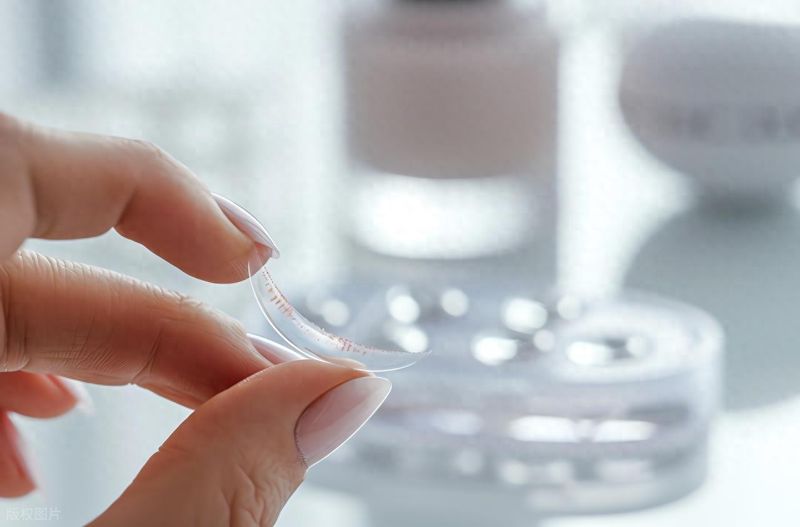
Before wearing them, you need to have lenses for nursing fluids, contact lenses, tatters, and straws. First, you must wash your hands thoroughly with handwashing fluids or soap, wash your hands for at least 20 seconds, wash your hands with liquid water and dry your hands. Bacteria on hand are the main cause of eye infections, and this step must not be lost。
When wearing: mastering step + technique, easy to wear eye
1. Correct mirroring: protection from damage
Before opening contact lens boxes, check whether the nursing fluid is clear and the lenses intact. Lightly remove the lenses with clean twigs and draw a distinction between the positive and the negative — putting the lenses at the tip of the finger, with the edge of the " bowl" being the front and the "disk" being the opposite. If the lens is adhesived to the wall of the box, it is not hard enough to pour in a small amount of nursing fluid for a moment and then gently remove it。
2. Step by step: newcomers in this order
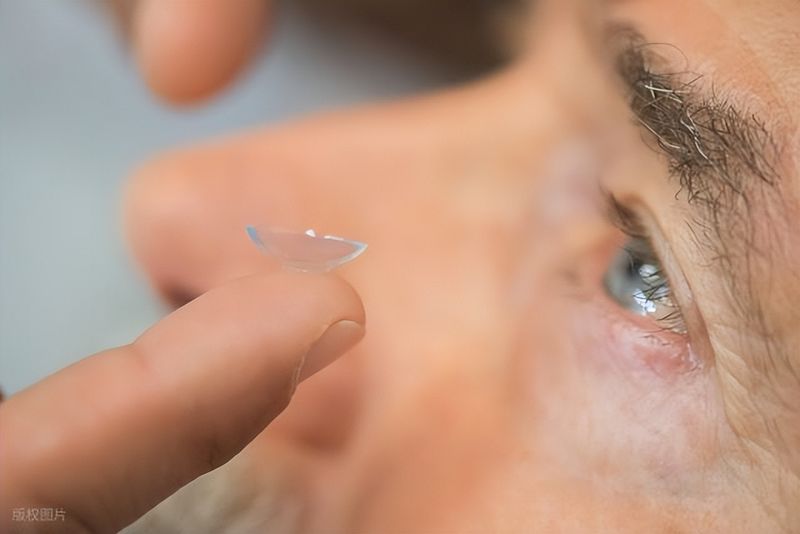
The first step is to put the front lenses on the top of the index finger, drop one or two drops of the nursing liquid wet-moisture lenses; the second step is to pull the eyelids with the middle finger, pull the eyelids up with the unknown finger, and try to look up so that the eyeballs can be fully exposed; and the third step is to put the lenses gently in the black eye section of the eyeball, slowly release the finger, close the eyes and move the eyeballs gently and automatically fit in the right position. If it doesn't work, don't rush and try again。
3. New skills: overcoming fear and increasing success
Many newcomers fail because they are afraid to pierce their eyes, but they can overcome it with the right way. When wearing it, you can look at the mirror or fixed object in front of you and do not stare at your finger; your finger is as close as possible to the eyeball, but not hard, and the lens is slightly wet and does not sting. If you do not blink when you wear them, you can practice them in advance and try to wear them later。
After wearing: care + sheltering from pits to protect eyes from injury
1. Day-to-day care: keep these points in mind
When a non-day parabolic lens is worn daily, it is necessary to immerse it in a timely manner, for a minimum of four hours, and it is advisable to replace the new one every day. The lenses are regularly cleaned with nursing fluids on a weekly basis to remove the protein deposition from the surface, and the contact lenses are regularly sterilised, at least once a week, and a new box is replaced every three months. Do not wash lenses with tap water or saliva, which tends to breed bacteria。
2. Length of wear: new hands step by step to avoid fatigue
For the first time, contact lenses should not be worn for long periods of time, and it is recommended that the eyes be adapted from 2 to 4 hours a day. As the level of eye adaptation increases, there will be a gradual increase in the length of wear, but it is best not to spend more than eight hours a day, let alone sleep. Long wear can lead to a lack of oxygen and dryness of the eyes, which can cause eye discomfort。
3. These situations: immediate cessation and timely disposal
In case of eye pains, bruises, tears, blurred vision etc. Are worn, the lens is immediately removed and wear is suspended. Cleaning the lenses and immersing them in nursing fluids to observe the state of the eyes and, if this is not continuous, timely medical treatment. In addition, contact lenses should not be worn in case of cold, fever or inflammation in the eyes, so as not to aggravate eye problems。
In general, contact lenses for the first time can be easily used if they are pre-screened, properly worn and treated. The newbies needn't be too nervous to try a few more times to master it. The core of wearing contact lenses is “safe first” and, provided that care is strictly adhered to, it is easy to enjoy and protect the health of the eyes。