Who doesn't know the four types of fish we make -- copper sulfate, lime, bleach, trichlorfon
In particular, the copper sulphate, known as "the almighty" by the people of the river, and the blue beak, which can kill both algae and insects, is a "the potion" in the pond. But you probably don't know it's a treasure, it's a poison
Just last month, i visited a pond in my hometown where, in order to deal with the blue algae, he poured copper sulphate all over the pond, and as a result, the fish began to float, wandered and eventually to the pond. When asked, he not only miscalculated the dosage, he didn't even look at the temperature of the water, he used the hot water directly. This is what the classic "gods" are used as "toxics."
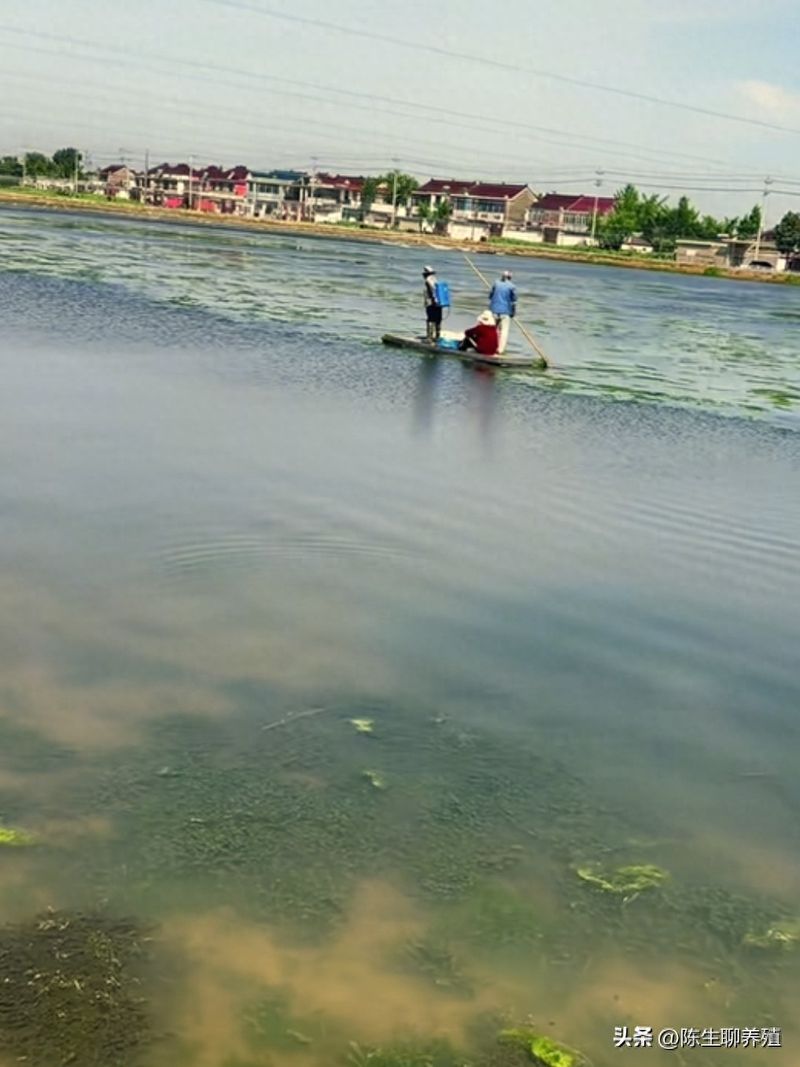
Today, i use this article to tell you about the five life-saving scenarios and the three deadly taboos of copper sulfate in fish farming. It's all dry stuff. It's recommended to collect it before it's found
I. Why do you call it "the medicine of god"? The data tells you how powerful it is
Many friends use copper sulphate only to know that it can kill blue algae, but in fact it is almost an all-powerful “firefighter” on our aquaculture chain。
Based on my years of experience and industry data, 90 per cent of common parasites in ponds are vulnerable to copper sulfate. It is listed as one of the “old four” not because it is cheap, but because of its unique heavy metal ion mechanism. When the copper ion is released in water, it can rapidly destroy the cell structure of algae and the enzyme system of parasites。
Many farmers have one fault: copper sulphate is considered toxic and non-useable. That's right, but not all. Copper sulphate is indeed a heavy metal, but the key is “precision medicine”. It's like we're cooking salt, and we're running out of food, and we're having a lot of trouble. You can go from "medicine white" to "saving money."。
Ii. Field dry goods: five “gold scenes” of copper sulfate
In five cases, you use copper sulphate
Scene one: urgent treatment of blue algae, nud algae (specified clean-up of the lower wind)
Don't panic if you're in the middle of a pond with green paint. Remember, don't spill it all over the pond! The right thing to do is to make up only 30 per cent of the pond area, that is, the one at the lower end. On the basis of actual area spilled, 2 pounds of copper sulphate per acre of water. When the water is splattered, you can see the blue algae white and dead the next morning. This is the least costly and quickest way to control algae。
Scene ii: "mixed package" for parasites such as wheelworms and trachea
This is the classic use. You can use this golden partner when your fish appears to be eating ecstasy, scrambling, looking at a large number of car worms, or you see an anchor flea on your fish like a needle. Per acre water depth, using copper sulphate 7 + trichlorfon 5 taels. This combination of punches continues, and more than 90 per cent of the parasites in the ponds are almost complete. It is not just insecticidal; the combination of the two has a strong synergy, saving money more than you use a single drug。
Scene iii: prevention of aqueous aqueouss and treatment of fish seedlings with white mouths
What's the worst thing to do when you start a spring seedling or a net? Aqueous! And the “white-mouth disease” of the fish seed phase, which looks like a headache. It's time for a combination of strong chlorine. Copper sulphate 5-6 taels per acre per water depth, with strong chlorine. Not only is it possible to kill fungi spores in water bodies and to prevent aqueous aroma, but it is also possible to treat bacterial infections in fish seedlings and to improve fish survival。
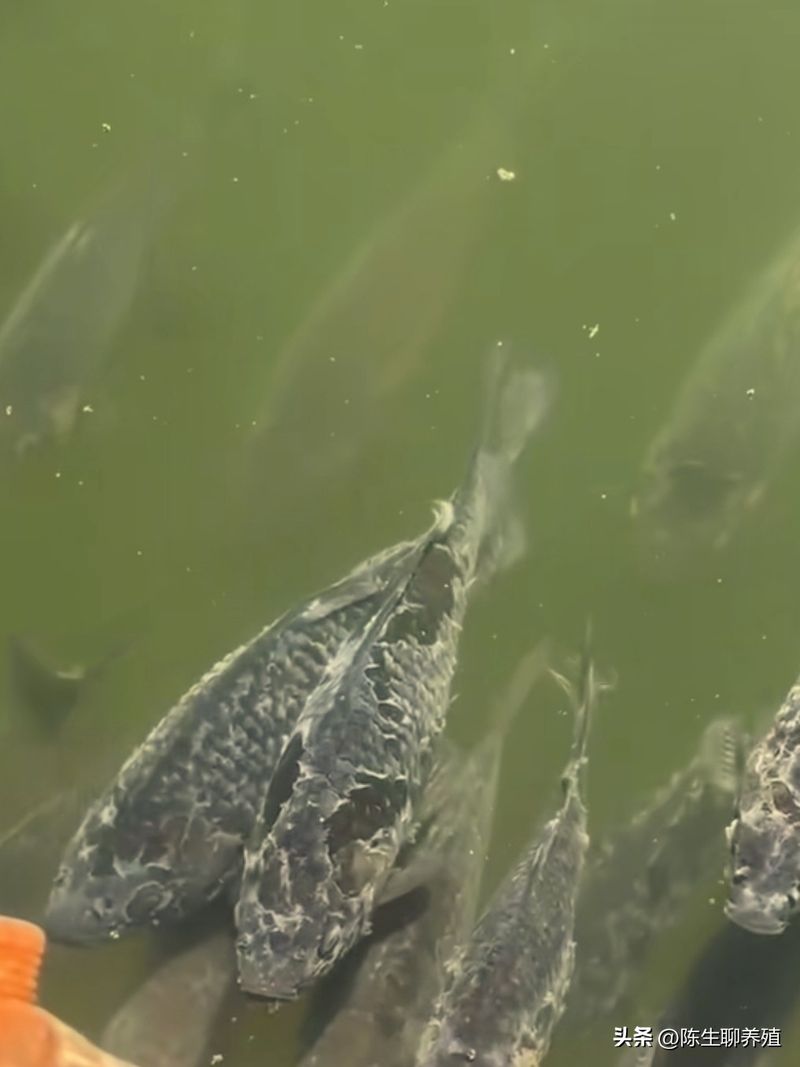
Scenario four: treatment of persistent haemorrhagic disease in conjunction with thiophos-methyl
Summer fall, high incidence of bacterial haemorrhage. Many friends know only disinfectant, but it's not the same. In fact, the use of copper sulphate can open corridors for parasites and bacteria. In general, copper sulfate of 5-7 dm per acre, combined with thionphos-methyl or other fungicides, can have a multiplier effect. It can first clear the mucus and parts of the pathogen of the fish table, making the primary medicine more permeable。
Scene five: the "face face" before the net
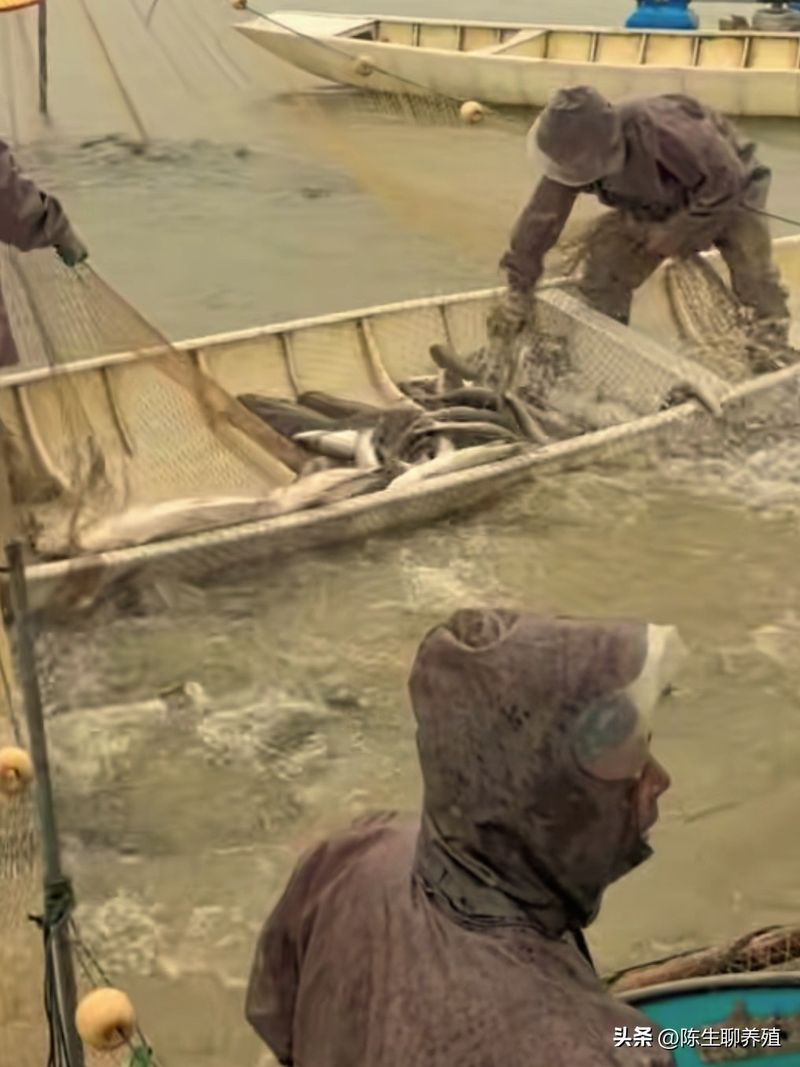
Many do not know that 7-10 tsulfate per acre is used for 1-2 days before the net is sold. What's the point? It allows fish to be cleaner and more rigid with viscosity, which, in plain words, increases the “skin” quality of fish and reduces the mechanical damage caused by stress during net-pushing and transport. So that the fish merchant can come and watch the fish shine and give you a good price
Three, don't waste your money! Copper
Now there are fake goods on the market, many of the brothers have bought “false blue beams” back, which are useless and have delayed. Fakes are typically impersonated with magnesium sulphate, amphibian, large soda, and a little blue colour。
How do i know the truth? Remember that:
1. Form: it is recommended that, as far as possible, copper sulphate be purchased in an irregular manner of varying sizes. If you're buying a very smooth, very smooth crystal, or very delicate powder, then be careful. An even-sized crystal is likely to be made up of large soda (sea waves); the powder is likely to be magnesium sulfate。
2. Dissolved experiments: copper sulphate melts in water and is crystallized blue, clear and transparent, with no impurities. If you turn it open, the water becomes sticky, or there's sediment, and there's hairy water underneath, it's ming or dae-su fake
These three “mined areas”, do not step on them
At the end of the article, these three points concern the lives of all the fish in the pond
First, it's a double-edged sword. Copper sulphate is a heavy metal that remains in fish and in the bottom mud. Not only will the fish grow slow, but it also pollutes the base. In general, the same parasite problem is used up to two times for a single fish。
Second, when the fish rots, lock it in the cupboard! If your fish is rotting, using copper sulphate is equivalent to salinizing the wound, which exacerbates the damage to the fish's tissue and causes respiratory failure. It's absolutely off-limits during the scab
Third, the temperature is its dead hole. Remember a key number: 60. Copper sulphate will fail to break down at water temperature above 60 degrees. So, when it comes to chemicals, it's absolutely impossible to dissolve with hot water。
It's no big deal. It's a big deal. Copper sulphate, the "old four" almighty king, can save you a lot of money for drugs。
Have you ever stepped on a pit with copper sulphate during fish farming? Or what's your only use? Welcome to the comment section. Let's talk about progress