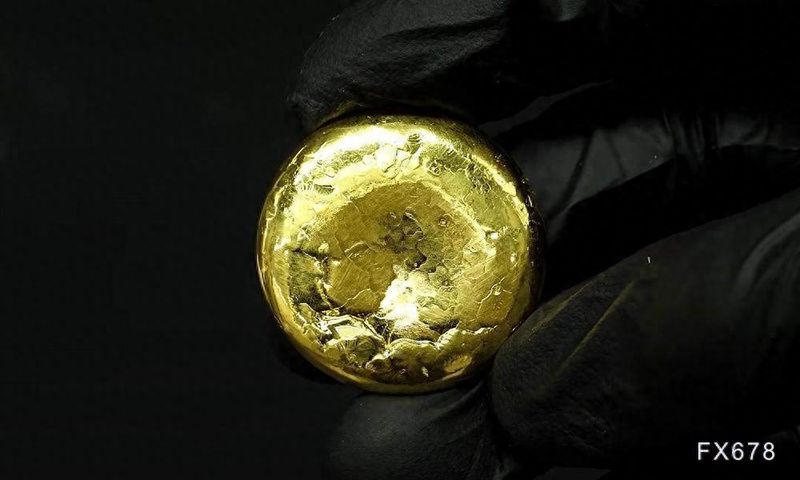
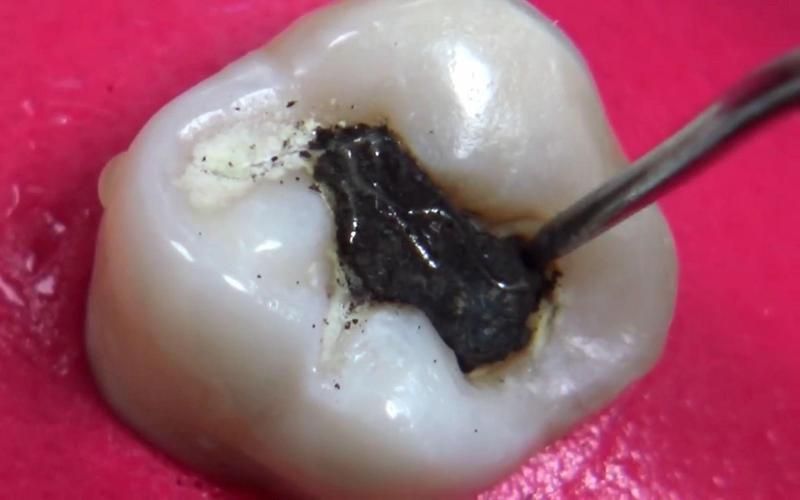
Many friends, 20 or 30 years old and even older, may notice, when they open their mouths and laugh or look in the mirror, that there are a few “silver black” or “silver green” metal spots on their teeth。
This is the classic material most commonly used in early years for filling teeth, amalgam。
In that age of underdeveloped material technology, silver amalgam dominated dental restoration for almost half a century with super hardness and very low prices. However, in recent years, as people's health awareness has increased, rumours of “mercury in silver amalgam (alcohol) can cause chronic poisoning in their mouths and even cause cancer and brain damage” have flourished。
Many people with this "black patch" in their mouths start to worry: is it a "time bomb" that releases toxins at any moment? Do you want to go to the hospital and tear them apart and fix them? Today we're here to solve this scientific puzzle about silver mercury。
Black pumps: what is a silver amalgam
Let's see if it's toxic。
Silver amalgams are a mixture of metal material that is hardened by chemical reactions after mixing in clinical settings,** liquid mercury (about 50 per cent) and alloy powders (including metals such as silver, tin, copper, zinc, approximately 50 per cent).**。
Fear of it is largely due to mercury. It is common knowledge that mercury is a highly toxic heavy metal capable of causing serious damage to the human nervous system and kidneys. Then why would a doctor put it in a patient's mouth for decades
Is silver amalgam really toxic? Listen to science
The answer is that silver amalgam fillings are safe in normal use and do not cause chronic mercury poisoning。
National and international authorities such as the world health organization (who), the united states food and drug control agency (fda) and the chinese society of oral medicine, after decades of follow-up and evaluation, have reached similar conclusions. The scientific basis is mainly the following:
Stable “locking” state: during mixing, liquid mercury reacts with metal powders such as silver, copper, etc., resulting in very stable metal interoperability (alloy). It's like a combination of toxic chlorine gas and flammable sodium metal that we eat every day without poison salt (sodium chloride). The hardened mercury ion is fastened to metal crystals, with very low chemical activity and no longer highly toxic to free mercury. Very small releases: studies show that silver mercury fillings do release very small amounts of mercury vapour when chewing, brushing teeth or drinking hot tea on a daily basis. However, this release is extremely small, with only about a few micrograms per day, well below the mercury levels that we ingest through our daily diet (especially seafood and fish) and well below the safe red line required by occupational health standards. There is no evidence of systemic diseases: there is no rigorous medical clinical evidence that the incidence of diseases of the nervous system (e. G. Alzheimer's disease, multiple sclerosis) or kidney diseases is higher among the population with mercury fillings in the body than in the general population。
So if your silver amalgam is intact, there's no need to rush to dismantle it because of panic。
Dismantling blindly is more dangerous
This is a fact recognized by the dental community: if silver amalgam is not in trouble, blindly removing it would pose a greater risk of mercury exposure。
Mercury releases are highest in the life cycle of silver amalgam at two times: when it is just filled in and when it is removed。
When dentists use high-speed rotating dental drills to grind out old silver mercury fillings, the heat generated by friction causes mercury in alloys to abate instantaneously, generating relatively high concentrations of mercury vapour; at the same time, large amounts of small pieces of amalgam are generated during grinding. If protective measures are not in place, there may be more mercury vapours inhaled and metal scrap swallowed by patients during their removal than it has been released in its mouth for 10 years。
In addition, repeated tussling (branching, re-adhesive adhesives) can cause unnecessary physical wear to the remaining healthy tooth tissues and may even lead to dentalitis as a result of excessive stimulation。
When do we have to "do something new"
Although “toxic rumours” are not valid, silver amalgam is ultimately metal and has physical limitations. If the following types of rational or physical damage occur, they must be removed to a regular dental hospital and replaced with modern composite resin or ceramic paste:
There is no chemical adhesion between silver amalgam and teeth in the back of the hair (margin seepage) and it is entirely physically embedded “cards” in the teeth hole. After more than a decade of cold and heat irritation and heat swelling, the edges of materials and teeth may be cut in the face. Bacteria enter the interior of the teeth along the cracks and continue to rot under the material, which is the back of the hair. Once this happens, it must be dismantled and the fillings re-cleaned. The teeth crack or material break the silver amalgam is very strong, but it's like a hard wedge. When it bites hard matter, the metal material is not resilient and can easily “brack” or “shock” the fragile natural teeth around it; or the amalgam itself breaks and falls. Silver amalgam oxidizes in a wet oral environment, becomes darker, and even dyes the surrounding tooth tissues as grey and black. If the teeth are close to the front, or are visible when the mouth is open, they can be removed for aesthetic reasons. Mercury amalgam allergies a very small number of people of specific properties may be exposed to certain metal components of amalgam, as shown by oral mucous membranes and ulcer. This situation must be dismantled. Safety guide for dismantling old amalgam
If dismantled for these reasons, dentists are required to operate in strict compliance with the ** “safe dismantling agreement”** to minimize the risk of exposure to mercury by patients and doctors themselves:
Comparison of silver amalgam with modern compound resin
We compare the traditional silver amalgams to the “composite resins” of modern, most common fillings:
Relative dimensions
Traditional silver amalgam (amalgam)
Modern compound resin
Component and appearance
Silver, copper, tin and mercury compounds, silver and black
Organic resin matrix and inorganic filling, natural tooth colour
Stick to the teeth
No chemical adhesion (physical locks, relatively large grinding of teeth)
There's a strong bond
Mechanical strength
Very high (resisting, stress resistant, but not resilient, broken teeth)
High (satisfying daily chewing, more resilient, less dentures)
Safety/toxicity
Safety (in combination with minimal releases of mercury in the state, but environmentally controversial)
Safety (high biological compatibility, non-toxic)
Appearance
Poor (impacting image, long-term use may lead to blackening of tooth color)
Excellent
Life expectancy
Extremely long (more than 20-30 years under good protection)
Long (generally 5-10 years with good maintenance)
Price
Very cheap (many hospitals are now phased out)
Medium to high
I..Mportant
Core summary of the disposal of silver amalgam fillings: