I. Introduction to fungi and tamer species
Symbiotic fungus: “key partners” in tianma
The cymbals have no roots and cannot be used for light co-operation, and two symbiotic strains are required to complete the life cycle:
• epidemics: helping the seed of tianmama to grow and form its original tubing (mainly mushrooms)。
• honey circulus: nutrients for the growth of the plume. Good honey cyclic species such as “gza46” can significantly increase yields。
2. Major cultivation of tima
The current dominant varieties of artificial cultivation and their characteristics are as follows:
Market prices (fresh products)
Utterly cylindrical, plume elliptical to ovulation, top of which is parrot's mouth, with multiple stripes (14 - 17), white on the break, of excellent quality, taste, yunnan luxin, sichuan mangen, guizhou pilgrim 50 - 60 yen/kg
It's very adaptable, very productive, and growing fast
A combination of utsima quality and red mantle yield advantage, strong resistance, sichuan mangen, guizhou $15-30/kg (quality)
Fiu 2, straight-on-blank, blue-green, 16. 2% leachate, 0. 47% sterin total, good quality yunnan roction, higher (specified advantage)
Ii. Assessment of equipment equipment (core data summary)
Number of fungus bags in 1 acre: 100 boxes/group
2 acre investment: $10,000
3. Cultivation cycle: 10-11 months
Cultivation season: december-april
5. Acre fresh goods: 3-5 kg/box
6. Market price: 50 yuan per kg of package recovery
7. Proceeds from acre production (māori): $15,000 - $25,000
Data interpretation:
• high-yield breakthroughs: the new technology “one-time bed, two-season harvest” in the seven-star customs area of guizhou has a rate of conversion of over 28 per cent, 600 kilograms of acre in the first quarter and an increase of approximately 12,000 yuan/acre in the second quarter。
• differences in earnings: utsima prices are much higher than redsem, but growing cycles are longer and management requirements are higher。
• economies of scale: the 7-star customs district of the city of via city is growing 5,000 acres of yang changgui, which is expected to produce 70 million yuan a year; more than 80 households are involved。
Iii. Detailed techniques for planting (e. G., wood imitation under forest)
1. Site selection
• altitude requirements: 800-1500 m (sichuan mansion) or 2000-2800 m (yunnan roku), with different varieties suitable for altitude。
• environmental requirements: forest land with a density of 0. 7-0. 8, relatively flat floors, rich decomposed soil and easy access to water。
• rotation requirements: tempoculture needs to be replaced every three years to avoid disruptions。
2. Plant preparation
:: selection of tree species: non-oiled broad leaves, such as chestnuts, eucalyptus, yang trees and euphemism trees, cut and tanned to half-dry。
• bacillus treatment: amputation to approximately 20 cm length, and cutting of fish scales (deep to wood, distance of 5 cm) facilitates vaccination。
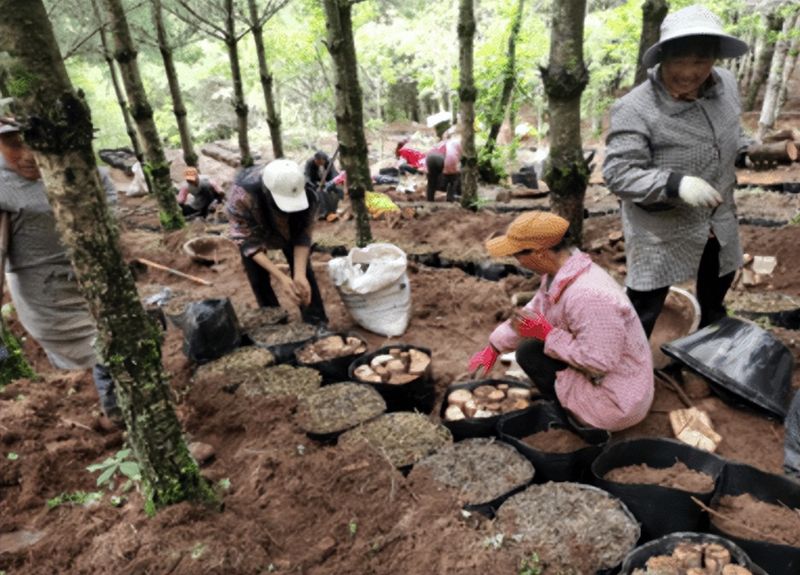
• cultivation: carried out in may/august, the fungi was layered with honey circulus species to cover the corrosive soil, and the cord was fully available in december。
3. Reproduction patterns
(1) sexual reproduction (breeding)
Artificial pollination: carried out one day before the flower or three days after the flowering, removing 2-3 at the top and bottom, with a high rate of pollination by morning or evening。
• timing of seeding: the best when the cleavage becomes dimpled and the hand is softened。
• microbacterial assistance: temosat seeds have to rely on microbacteria to develop。
(2) non-sexual reproduction (planting)
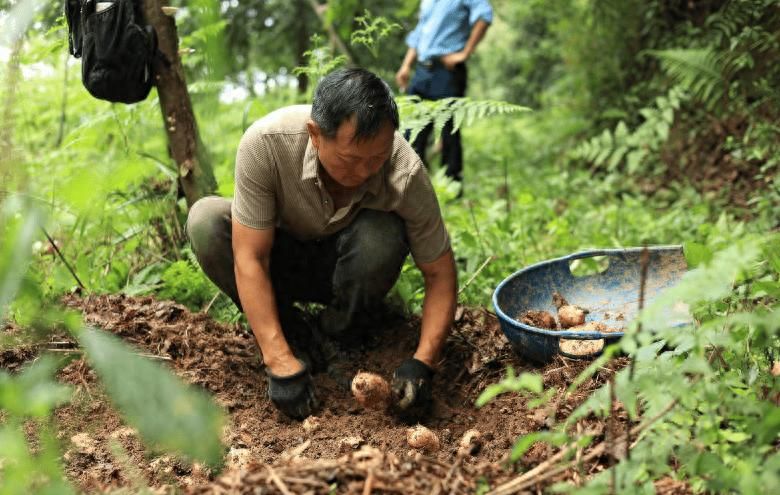
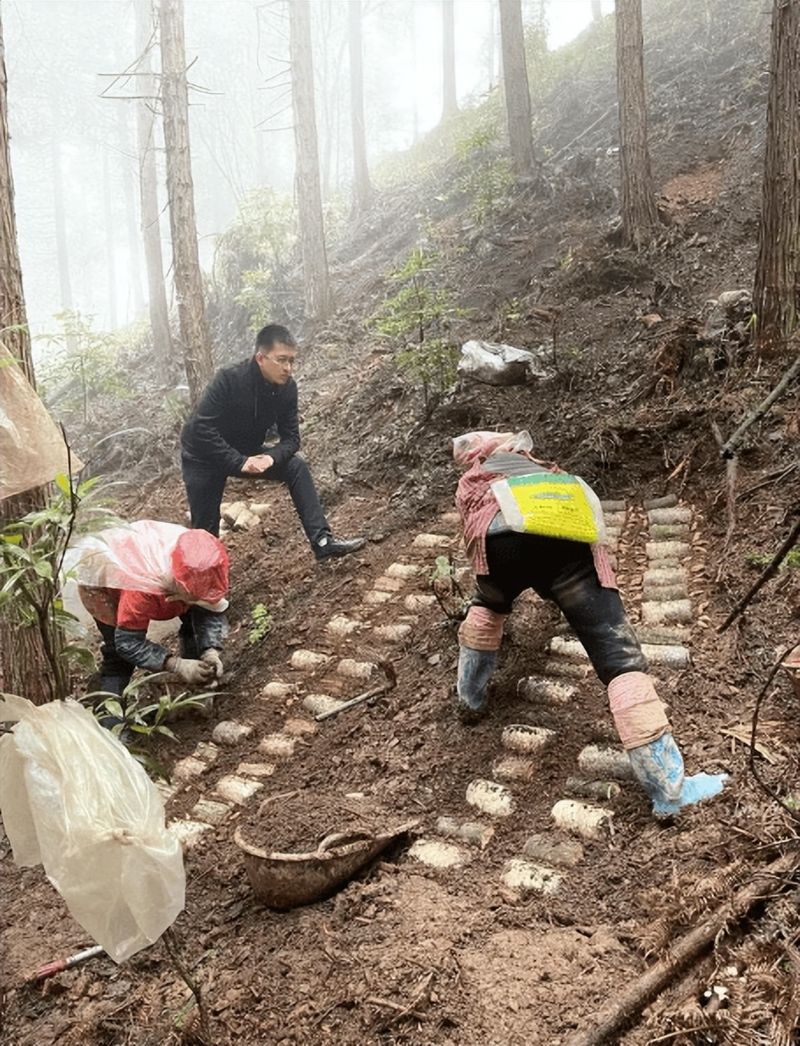
• cultivation of fixed bacterial beds: when the fungus grow in december, careful excavating the dust, digging four to five small holes on each side and at both ends of the fungus, and covering the soil 5 to 8 cm。
Efficacy of bacterium rods: the use of “bacterium rods” or “bacterium rods”, which can be harvested for about four months, yielding 0. 31-0. 36 kg/sticks。
• a new pail pattern: ground-cleaning of the ground with a single-use plastic drum, with a meringue, coded wood, ground cover under the forest. Temperature and humidity, few fungus, and no injuries。
Leach management
Temperature: suitable temperature range 15 - 25°c (planting period); mycelosis growth and tubing expansion require stabilization of temperature and humidity。
• humidity: keep the soil moist, but not water, regulated by natural humidity or drip irrigation systems under the forest。
• coverage: the soil is covered with branches, leaves or pine needles, which serve as a shade and water protection。
5. Collection and retention
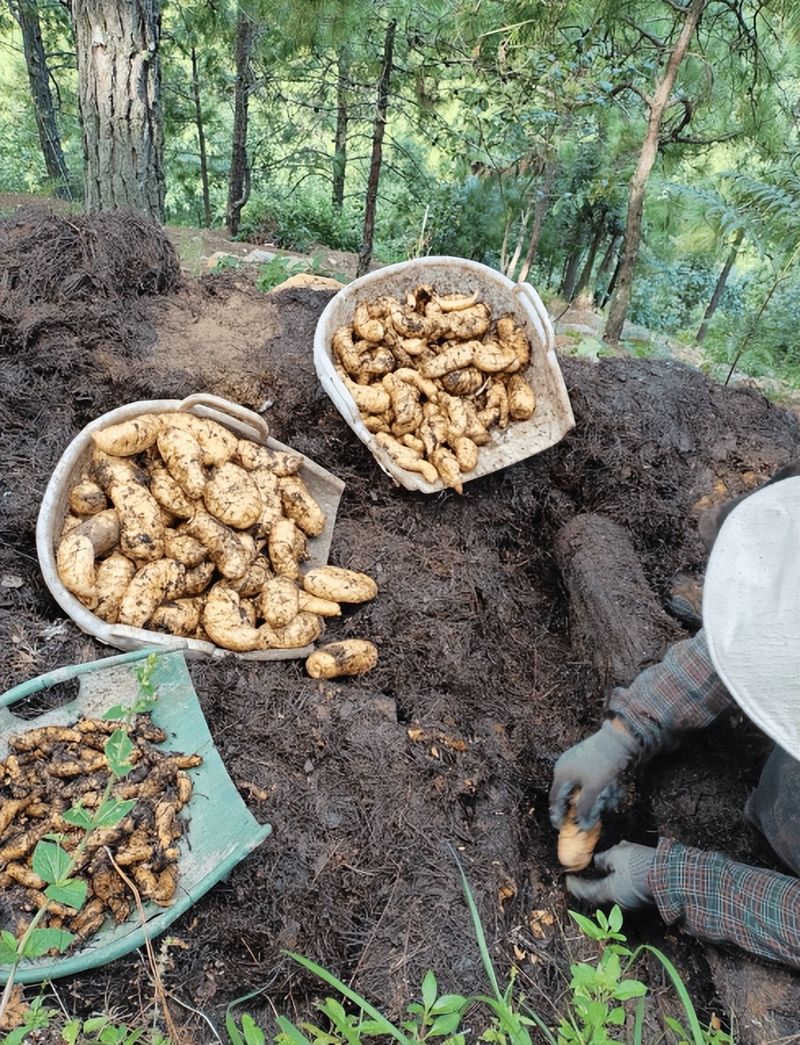
• timing of harvest: from october to january of the following year (winter). When the cynics mature, they must be poached in a timely manner, otherwise they will grow arrow poles and become empty。
• ranking: "rolling development" is achieved by taking over the market by taking over the market and using small sis (white, rice) for winter planting or for seeding。
• polio preservation: can be kept for up to 60 days at 3-5°c。
Analysis of market prospects
1. Policy benefits
• pharmacological homogeneity: tianma has been included in the list of traditional foods and chinese medicines, and market demand has expanded from medicinal to food consumption。
• industrial planning: sichuan mansion plan covers 30,000 acres in 2026, 50,000 acres in 2027, with a combined production target of $3 billion; guizhou pitt industries is close to $10 billion。
Market advantages
• quality assurance: the sterema active ingredient (tinome, etc.) planted under the wild forest is much higher than the chinese pharmacy standard and highly favoured by pharmaceutical companies and consumers。
• marketing channels: purchase of pharmaceutical company orders, live transmission of electrical platform, co-existence of retail and wholesale distribution, improved market network。
• deep processing expansion: over 20 products in the “medicine congener” series, such as tumbles, super fine powder, tumble, frozen dry powder, have been developed to effectively increase value added。
3. Technology breakthroughs
• anniversary supply: the results of synthetic synthetics at guizhou agricultural institute are measured, and it takes only four months to plant the bacterium, which is expected to produce and supply。
• efficient utilization of bacteria: “step-to-season harvest” technology significantly increases output efficiency。
V. Service security and risk alerts
1. Industrial service security
Based on successful local practices, mature industries typically include the following safeguards:
• protection of fungi and omegranates: a cooperation agreement has been concluded to provide high-quality “two fungi” (precipitous bacteria, honey circulus, gestational seed) by a lead enterprise or a sales agency。
• technical security: technical guidance for the whole process of “sittering”, with technical support from scientific institutions such as the university of south-west forestry and the provincial agricultural institute; technical training to develop indigenous technical skills。
• acquisition security: “leadhouse + cooperative + farmer” model, company-wide recycling of products; or purchase orders from pharmaceutical companies; electronics platform outreach。
• policy support: sichuan manchuria has an annual budget of 40 million yuan in financial resources to support large and large growers, with a subsidy of 3,000 yuan per acre for small dispersed households; there are local support funds for the rehabilitation of rural industries。
Risk tips
• the high cost of inputs: 30,000 to 70,000 yuan per acre in the first year, which the average grower cannot afford. It is recommended that risk sharing be undertaken from a small number of steps or by joining cooperatives。
• high technological threshold: tienja lives with two bacteria, technical requirements are stringent and new hands are vulnerable to “ten kinds of loss”. It is important to train and grow。
• longer cycles: it takes about two years to grow and harvest, and funds are slow to return, requiring sufficient liquidity。
• relocation of land: cultivation plots need to be replaced every three years with sufficient reserves of forest land resources。
:: market volatility risk: utero prices are high, but prices may go down if quality does not meet standards or market demand is excessive。
Summarized by the high input, high technology and high return characteristics of wild cultivation under the forests of tianmama (especially utino) is a project with great potential in the current industry of the underforest economy and chinese medicine. But the key to success is: (1) choice of pure varieties and quality “twices”; (2) mastery of precision bacterial bed breeding and pollination techniques; (3) access to technical support and warranty acquisition based on lead firms or cooperatives; and (4) availability of sufficient financial resources to respond to a two-year cycle. It is recommended that the newcomers start with small-scale trials and build on experience before scaling up。