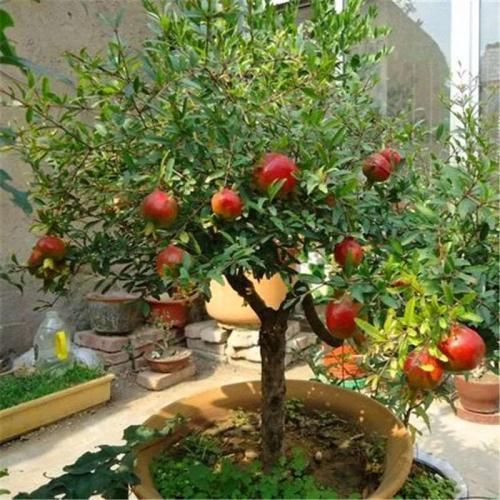
A few flowers and grasses, such as ivy, emeralds, hawl, etc., are a good option, cleaning up the environment and fresh air while also enriching amateur life and affluence. Many of the fruits we eat are seeded, and many of the florist likes to make a basin view!
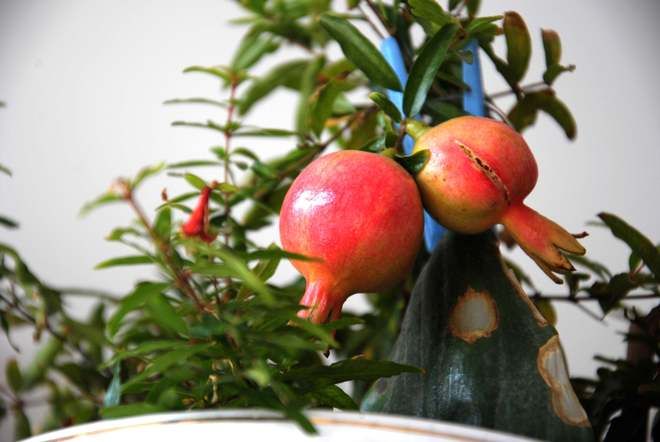
Cultivation process
1. Put pomegranate seeds into the water, wash them with their hands, remove a thin, transparent film from the outside of the seeds, and wash those seeds that are floating on the surface of the water, which are malnourished, and should be recovered and thrown away。
2. Placing washed seeds in bowls with clean water. Every day, water is changed and immersed for 6 to 10 days, until the water is free of impurities, so that cultivation can begin。
3. Select the basin without holes and add the potted soil to the full of nine cents with some water sprayed on it, so that the soil surface is humid。
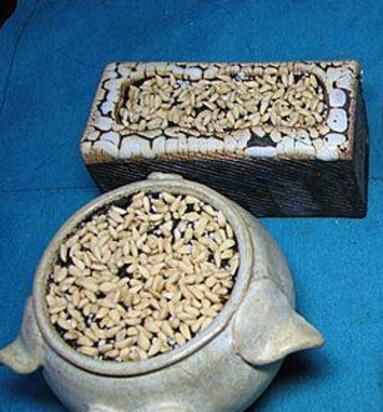
4. Spread pomegranate seeds evenly on the surface of the planted soil and do not pile them up。
5. Over the seeds, a thin layer of wheat and rice stones or other small stones are laid to spray back and forth water to fully wet the soil and seeds. I'll spray water once a day。
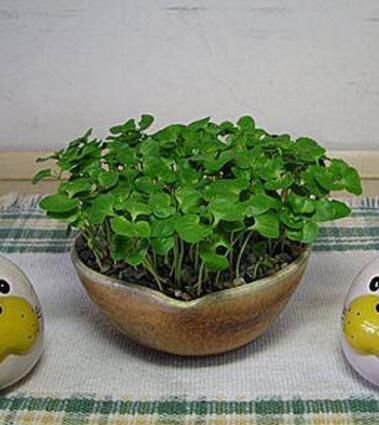
Seeds begin to germinate in about three weeks. It's coming out of a little pebble。
7. Thirty days later, a small, short forest was formed, and two little leaves on the top were sprouted。
Later conservation
Light
Light and temperature are important conditions affecting the formation of buds. Life requires full-time light, and the more the light, the more the flower. Rewinding, sunwarding and dry environments facilitate the formation and flowering of buds. When the light is not enough, the leaves do not bloom, which affects the viewing effect. A suitable growth temperature of 15-20°c and a low winter temperature of less than 18°c would otherwise be frozen。
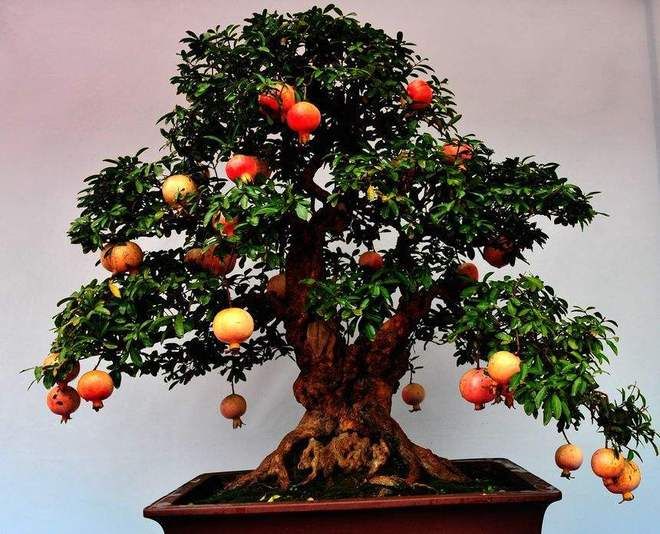
Fatty
Pomegranates are re-planted once a year with organic fertilizer, and plants need to be replaced and fatter for one to two years. During the growing season, fattening should also be pursued three to five times and attention should be paid to pine soil weeding, frequent wetting of the pellets and protection against drought and flooding。